
Rotary Premade Pouch Filling Machine Case Study: Achieving Multi-Size Versatility for High-Output Food Packaging
Integrating multi-size solid and granular products into diverse pouch dimensions frequently induces systemic production bottlenecks and costly format transition downtime.
To resolve these operational constraints, a highly flexible rotary premade pouch packaging system was engineered for a prominent US food packaging enterprise.
Capable of seamlessly managing 250g, 500g, and 1kg pouch capacities, this customized mechanical configuration introduces high-precision volumetric filling, advanced pneumatic gripping stability, and rapid changeover agility to maximize overall equipment effectiveness for high-output food manufacturing lines.
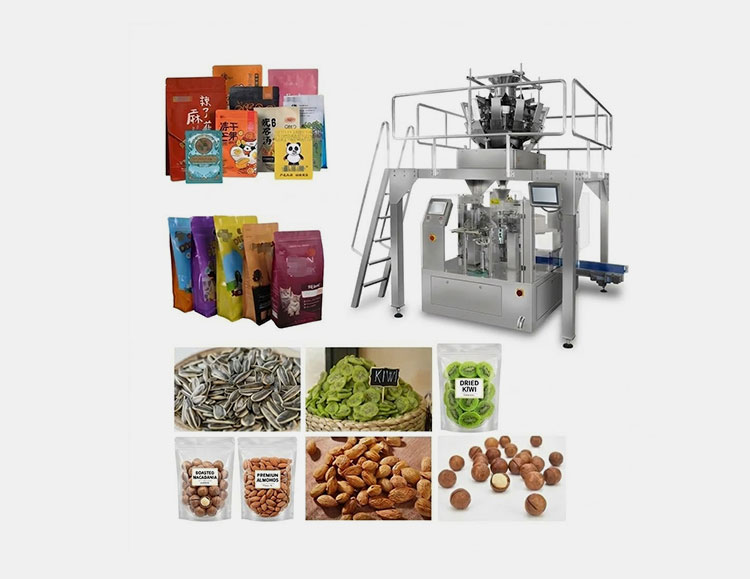
Custom Rotary Pouch Machine
Processing low-mass snacks alongside high-density grains within a unified machinery layout typically introduces structural challenges, as varying pouch widths standardly mandate independent, dedicated mechanical configurations.
This engineering evaluation documents how a versatile multi-size processing matrix was successfully implemented for a major US client, mapping the technical integration sequence from initial structural parameter alignment through to terminal plant-floor verification.
1.How Did We Match Multi-Size Pouch Requirements for Our US Client?
Utilizing a single mechanical line for diverse packaging volumes frequently scales the risk of material transport jams and compromised hermetic seal integrity, leading to compromised batch quality.
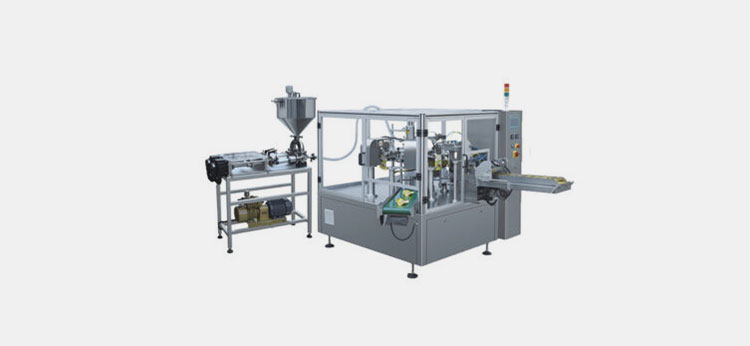
This operational risk was mitigated during initial project consultations through the development of an adaptive rotary premade pouch filling architecture. Engineered to automatically adjust between 250g flexible snack enclosures, 500g medium-gauge nut pouches, and heavy-duty 1kg grain bags, the system parameters were precisely calibrated against specific material thickness tolerances and pouch geometries to ensure uniform sealing dynamics.
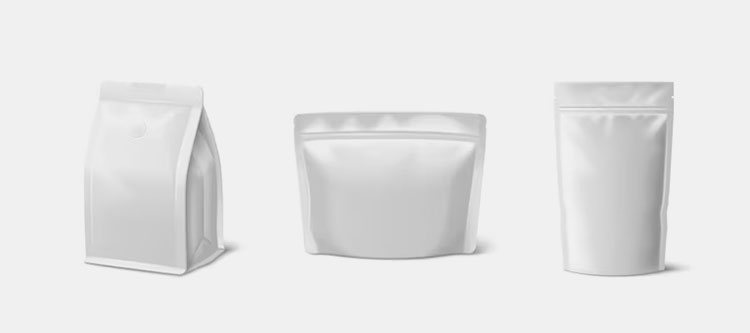
Multi-Size Pouches
Last year, a food packaging company from the US sent us an inquiry. They needed a new packaging system for their expanding business. They wanted to pack different foods into different bags on a single line. Buying three separate machines was too expensive.
They needed one machine to do it all. As a professional supplier with over 15 years of experience, we know how to handle these complex requests. We understand that factory floor space is very valuable.
I exchanged many emails with their team. We had to understand their exact needs before building anything. We looked at the bag sizes very closely. We needed to know the exact width and length of each pouch.
Analyzing Bag Specifications

Pouch requirement from customer
We studied the material thickness of the bags. Thick bags need more heat to seal properly. Thin bags can melt if the heat is too high. We also looked at how the bags were formed. Some had flat bottoms, and some were standard pouches.
Here is a simple breakdown of their bag requirements:
| Bag Size | Product Type | Material Needs | Main Challenge |
| 250g | Small Snacks | Light and thin | Fast feeding without dropping |
| 500g | Mixed Nuts | Medium thickness | Stable gripping for heavier weight |
| 1kg | Mixed Grains | Thick and heavy | Strong bottom support and firm seal |
The engineering division utilized these material metrics to develop an optimized non-standard solution, integrating a quick-adjust mechanical gripper assembly.
This engineering modification allows plant operators to execute transition cycles between 250g and 1kg pouch formats via standardized quick-release indexing levers. This elimination of intensive manual re-tooling protects critical machine availability thresholds and sustains high-velocity production throughput during cross-batch transitions.
2.How Did We Refine Machine Details to Win the Client's Trust?
Buyers worry about machine quality and hidden flaws. A bad machine stops production and wastes money. We proved our machine's quality through clear videos and fast design changes.
We sent detailed machine specs, videos, and past case studies to the client. They loved the build quality. They asked us to widen the feeding port and adjust the gripper strength. Our tech team made these changes fast and showed them on video.
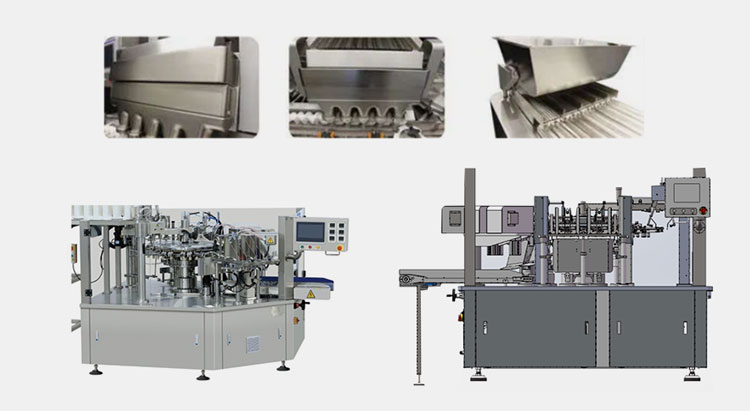
Machine Adjustments
Establishing technical validation across cross-border procurement channels requires transparent verification metrics prior to capital expenditure allocation.
Comprehensive engineering documentation, high-fidelity operational videos of analogous equipment in active production cycles, and verified case studies from international solid processing installations were provided to demonstrate build compliance and equipment reliability.
Making Custom Adjustments
They wanted a wider feeding port at the top. This helps large grains and mixed nuts flow faster into the bags. They also wanted us to adjust the strength of the bag gripping arms.
The automated gripping arms utilize pneumatic pressure thresholds for terminal clamping actuation. Excessive pneumatic force risks structurally deforming thin-gauge 250g film matrices, whereas insufficient pressure causes premature dropping of high-mass 1kg pouches prior to the thermal sealing stage.
| Adjustment Type | Client Request | Our Custom Solution |
| Feeding Port | Make it wider | Redesigned the hopper for a 20% larger opening |
| Gripper Strength | Adjustable force | Added precision air valves to control grip pressure |
| Video Proof | Show it working | Recorded a new video showing the changes in action |
Precision proportional air valves were integrated into the pneumatic loop to permit variable torque clamping. This custom modification was finalized and validated via video correspondence within a compressed engineering timeline, verifying mechanical compliance to the client's satisfaction.
After that, we talked about payment terms, shipping methods, and our strong warranty policy. We reached a final agreement smoothly without arguing over prices.
3.What Happened During the Online Video Acceptance Test?
Buying a machine without testing it is risky. You might get a machine that does not work right. We removed this risk with a strict live video test.
We hosted a live online video test after building the machine. We tested the running status, pouch positioning, and feeding speed. We adjusted the pouch opening tension and added stabilizing guides during the test. The client saw all three bags run smoothly.
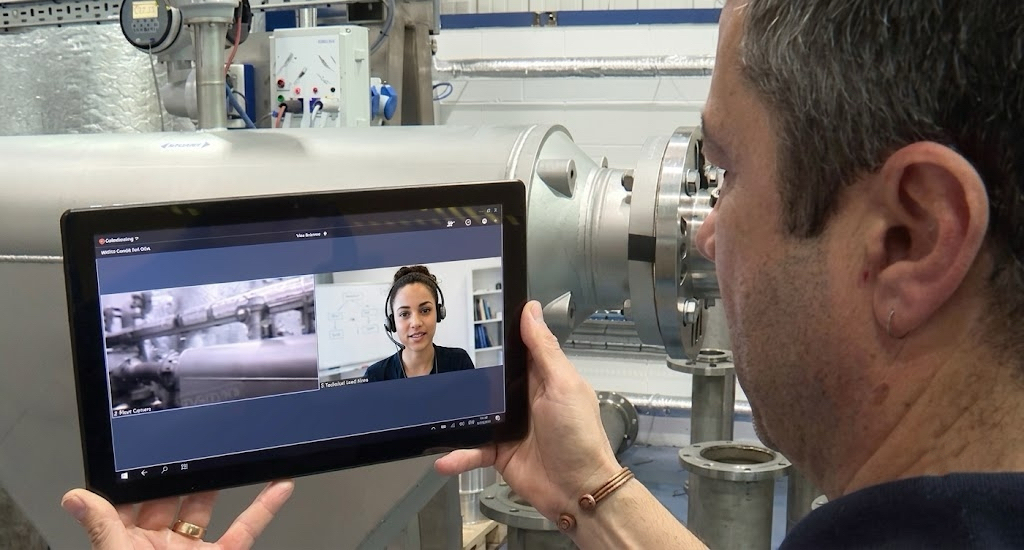
Video Acceptance Test
Upon completion of the equipment fabrication phase, a rigorous remote Factory Acceptance Test (FAT) protocol was established to accommodate international travel constraints.
This virtual validation process utilized a multi-camera real-time broadcast array to provide comprehensive visual access to all primary mechanical vectors, including the programmable logic controller interface, the multi-head volumetric dosing station, and the terminal thermal sealing jaw assembly, ensuring full alignment with the client's strict validation checklist.
One camera focused on the touch screen. One camera showed the feeding station. The last camera showed the sealing jaws.
Live Testing and Fine-Tuning

First, we ran the machine empty. The client checked the motor sound and rotation speed. Then, we tested the pouch positioning accuracy. We ran the 250g, 500g, and 1kg bags one by one on the line.
During the test, the client noticed two small things. They wanted the bag opening tension to be tighter for the small bags. They also asked for extra guide rails to keep the heavy 1kg bags stable while moving.
| Test Item | Client Feedback | Immediate Action Taken |
| Pouch Positioning | Very accurate | None needed |
| Opening Tension | Needs more tension | Adjusted suction cups and mechanical arms |
| 1kg Bag Stability | Slight shaking | Installed custom side stabilizing guide rails |
We did not wait. Our engineers grabbed their tools right away. We adjusted the air tension right there on camera. We also bolted on the new metal guide rails. We ran the machine again. It was perfect. The heavy bags moved smoothly without shaking. The client gave us high marks on their test sheet and approved the shipment.
4.How Did We Ensure Smooth Installation and Operation Remotely?
Installing a big machine alone is scary. A wrong setup can break the machine or hurt workers. We guided the client step by step to ensure safety.
We sent remote engineers to guide the client via video. We showed them how to fix the main unit and debug the feeding system. We provided clear safety manuals. The client installed the machine easily and praised our professional service.
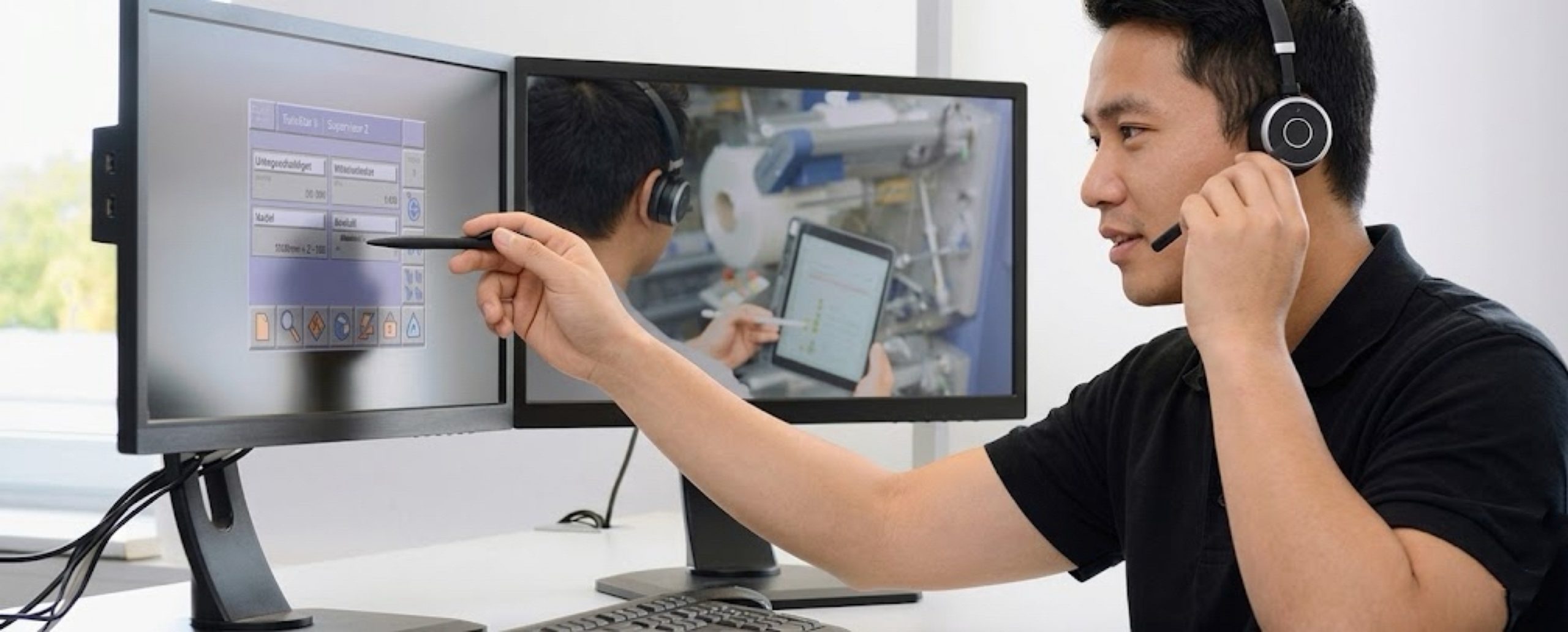
Remote Installation Support
Following maritime transit and site delivery to the US facility, remote engineering support was deployed to assist the local technical staff during terminal plant integration.
Specialized field-service calibration protocols were communicated to guide floor bolting, structural leveling, and the electronic debugging of the interfaced automatic product feeding system, ensuring optimal alignment with the existing facility layout.They also wanted strict safety rules for their daily workers. We were ready to support them.
Step-by-Step Remote Guidance
We set up a video call with our top engineer. We looked at their factory floor through the camera. We told them exactly where to place the bolts and how to level the machine.
| Support Task | Our Action | Result for Client |
| Fixing Main Unit | Guided floor bolting via video | Machine runs fast without shaking |
| Debugging Feeder | Walked through PLC screen settings | Perfect filling weights every time |
| Safety Rules | Sent clear manuals and checklists | Zero accidents during start-up |
We translated all the touch screen menus into simple English. We made sure the local workers could read every button clearly. We also sent a PDF operation manual with big, clear pictures.
We stayed on the video call until the machine ran its first real batch of food. We answered every question right away. The client was thrilled. They told us our service was just as good as our machine quality. They promised to buy from us again when they expand their factory next year.
Conclusion
We successfully customized a rotary pouch machine for a US client. By adjusting details and providing remote support, we delivered a versatile, reliable packaging solution that exceeded their expectations.
Project Compliance and Equipment Engineering Standards
During the custom engineering and dynamic testing phases of this high-output rotary premade pouch packaging system, all structural modifications and pneumatic control loops were designed to comply with the following international manufacturing regulations:
Don't Forget To Share Article!

Mason
Senior Pharmaceutical Automation Engineer & Fluidic Systems Specialist at AIPAK
Mason brings over a decade of hands-on technical experience in engineering high-containment fluid delivery loops, industrial water purification infrastructure (WFI), and cGMP-compliant sterile packaging lines for international markets. Specializing in the mechanical design of multi-station washing-filling-sealing production matrices, automated high-voltage leak detection (HVLD), and ATEX-certified component isolation, his validation workflows ensure that volatile and light-sensitive chemical formulations achieve complete regulatory harmony across complex ASEAN and European biopharmaceutics logistics sectors.
Premade Pouch Filling Machine Related Posts












Premade Pouch Filling Machine Related Products
Premade Pouch Filling Machine Related Videos
CONTACT US
Tell us your raw material and project budget to get quotations within 24 hours.
WhatsApp Us: +86 181 7101 8586

Want the best price & newest pharmaceutical machinery buying guide,tips and trends sent straightly to your box?Sign up for AIPAK’s monthly newsletter,we’re free for your consultation and Offer you the most suitable solutions!
The Buyer's Guide
- Capsule Filling Buyer's Guide
- Blister Packaging Buyer's Guide
- Tablet Counting Buyer's Guide
- Tube Filling Buyer's Guide
- Cartoning Buyer's Guide
- Gummy Making Buyer's Guide
- CO2 Extraction Buyer's Guide
- Empty Capsules Buyer's Guide
- Suppository Filling Buyer's Guide
- Tablet Coating Buyer's Guide
- Tablet Press Buyer's Guide
- Softgel Encapsulation Buyer's Guide
Most Popular
- 7 Importance Of Pharmaceutical Packaging In Different Applications You Must Know
- 6 Advantages You Must Know About Tablet Counting Machine
- 8 Advantages of Blister Packaging You Must Know
- 6 Critical Applications of Automatic Capsule Filling Machine
- 6 Stations You must Know to Improve the Filling Quality of Automatic Capsule Filling Machine