
Tableting Fibrous TCM Extracts: Tooling Geometry & Elasticity Mitigation
Compacting Traditional Chinese Medicine (TCM) botanical extracts poses severe operational challenges due to the high elastic recovery, low bulk density, and anisotropic fibrous matrices inherent in natural plant cellular structures. When subjected to dynamic load compression, these natural fibers accumulate massive internal strain energy, triggering catastrophic capping, lamination, and tool adherence upon upper punch retraction.
This technical protocol delineates the process stabilization parameters required to domesticate fibrous herbal powder, evaluating the mechanical synergy between fluid-bed moisture equilibration (5.0% - 8.0%), pre-compaction air-evacuation dwell times, and specialized tungsten carbide tooling with anti-stick surface coatings.
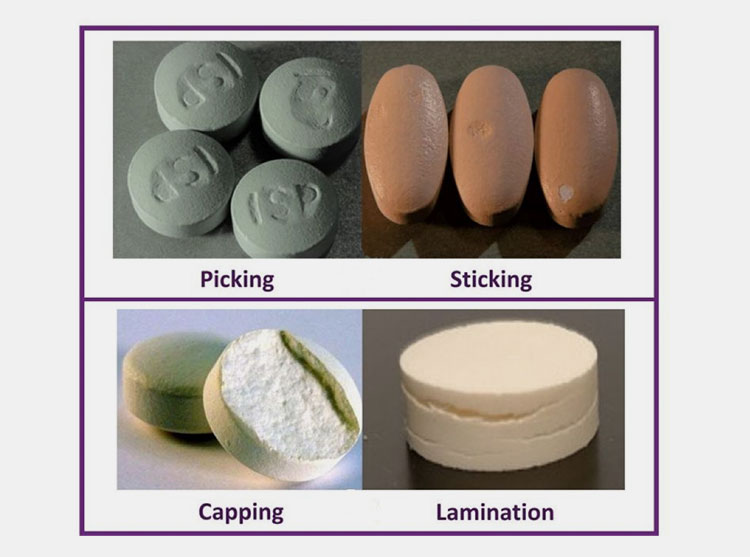
TCM extract tableting problems
Let’s audit the phytochemical material pre-treatment variables, multi-stage rotary kinematics, and compression strain relaxation profiles necessary to eliminate tableting defects in modern herbal solid dosage production.
1.Why do natural fibers in TCM extracts cause major tableting failures?
The presence of lignified cellulosic fibers within natural TCM extracts impairs particle consolidation due to their dominant elastic strain energy storage, which overrides short-range intermolecular bonding and triggers violent macro-capping during the decompression phase.
Natural fibers resist pressure. Your tablets fall apart. You waste expensive herbal materials. You must understand the root causes before you change your tablet press machine settings.
The natural fibers in TCM extracts have high elasticity and bounce back after compression. These powders also flow poorly and absorb moisture unevenly. This causes severe capping, sticking, and large weight variations in your final tablets.
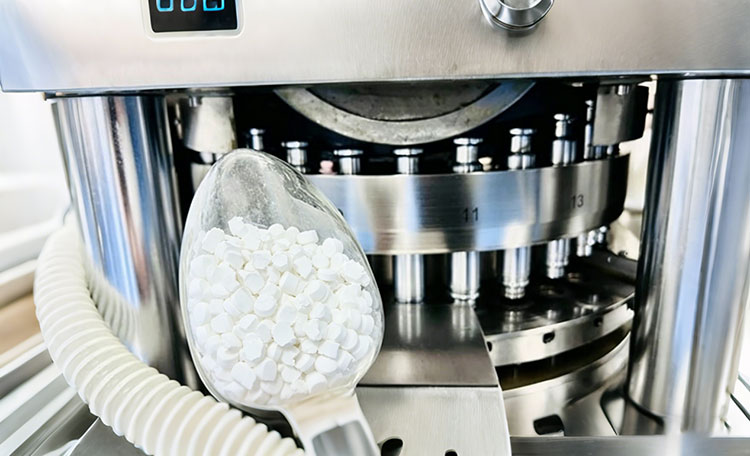
Natural fiber structure appears in tablets
I have watched machines spit out broken tablets for hours. The main reason is the physical nature of the plant fibers. I had to stop the machine and clean the metal parts. It took me three hours. The plant fibers are very tough.
High Elasticity and Toughness
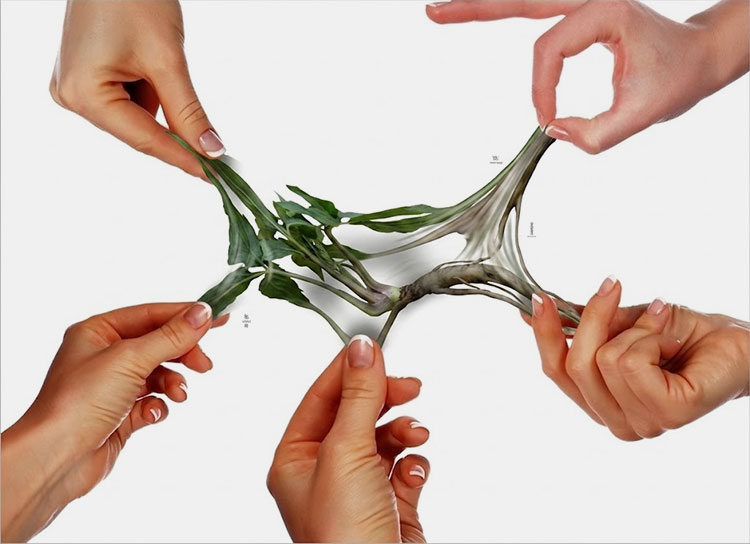
Phytochemical characterization indicates that natural cellulosic fiber bundles possess an extraordinarily high Young's modulus, functioning as microscopic elastic springs within the die cavity.
During the localized dwell time under the main compression rollers, these structural fibers absorb the applied load cells via elastic deformation rather than permanent plastic deformation. Concurrently, the negligible plastic flowability of fluffy, low-density herbal particulates restricts the formation of permanent Van der Waals forces or solid bridge consolidations.
Upon the rapid withdrawal of the upper punch tool—where applied stress rapidly drops to zero—the stored internal strain energy relaxes instantly, causing the compressed particle bed to violently spring back vertically, splitting the tablet along structural weak planes (capping).
Poor Flowability
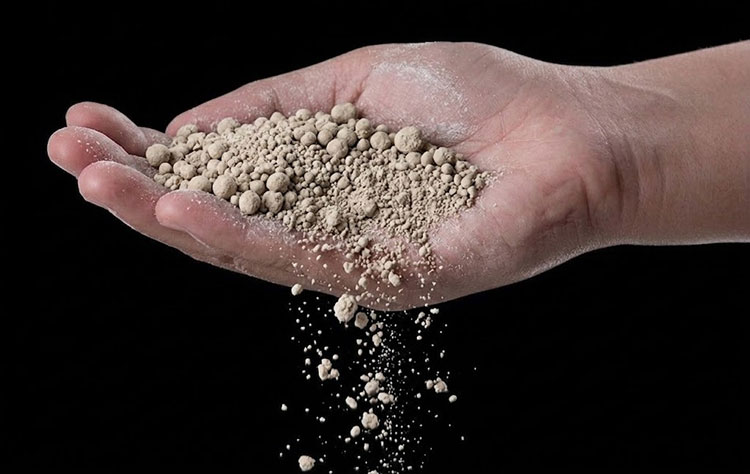
TCM powders look like fluffy cotton. They do not have natural stickiness. The particles rub against each other. They block the feed frame. The powder does not fill the die evenly.
Uneven Moisture Absorption
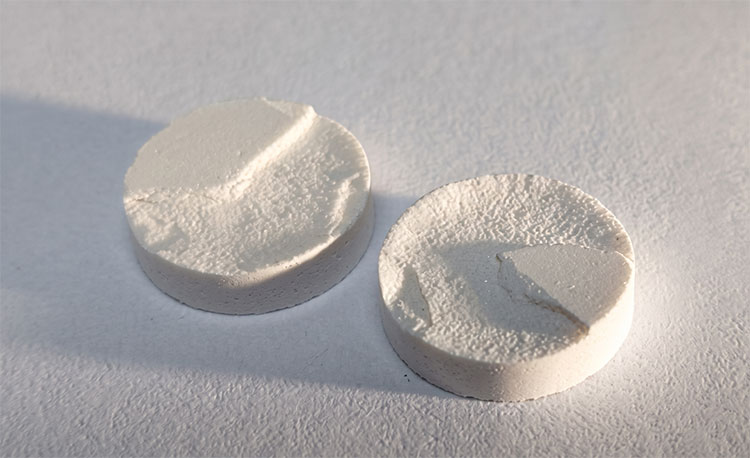
Herbs absorb water quickly. Some parts get wet and sticky. Other parts stay dry and hard. The punch hits this uneven mix. The tablet sticks to the metal.
| Problem Source | Physical Action | Result on Tablet |
| High Elasticity | Fibers spring back after pressure drops | Capping and breaking |
| Poor Flowability | Fluffy particles block the die hole | Uneven tablet weights |
| High Moisture | Powder absorbs water from the air | Sticking to the punch |
You must fix these three issues to make good tablets. I learned this the hard way.
2.How can you fix TCM extract powder before it enters the tablet press?
Raw extract powder will ruin your production run. You cannot press it directly. I will teach you how to prepare the powder to ensure a smooth tableting process.
You must mill the extract to a fine powder and control the moisture. You also need to add excipients like microcrystalline cellulose and use wet granulation to destroy the fluffy fiber structure. This makes the powder flow easily and stick together under pressure.
I always fix the powder before I touch the tablet press. Good powder makes good tablets. I buy these powders from a trusted supplier. You must test your own mix.
Step One: Material Pre-treatment
Mechanical transformation of fibrous tissue requires reduction of the cellular aspect ratio via precision milling to an 80–100 mesh threshold, systematically disrupting the long-chain lignified structures. Following particle reduction, strict thermodynamic moisture equilibration must be enforced inside low-heat convection or fluid-bed systems to establish a critical moisture baseline between 5.0% and 8.0%.
Within this specific phytochemical balance, residual water molecules act as necessary internal plasticizers, lowering the glass transition temperature (Tg) of amorphous herbal polysaccharides and converting rigid fiber components into more compliant, deformably plastic states.
Dropping below 5.0% moisture renders the organic structures overly brittle and prone to high elastic bounce-back; conversely, exceeding an 8.0% moisture profile triggers aggressive capillary liquid-bridging, causing localized powder filming and severe chemical sticking on the punch faces.
Step Two: Excipient Pairing
Pure herbal extract cannot form a tablet. You need helpers. I use a simple mix.
| Excipient Name | Function | Best Ratio |
| Microcrystalline Cellulose (MCC) | Helps the powder compress | Base amount |
| Pregelatinized Starch | Glues the particles together | 30% to 50% of MCC |
| Anhydrous Lactose | Makes the powder flow faster | 5% to 10% total |
Step Three: Wet Granulation
If the fiber content is over sixty percent, you must use wet granulation. I mix the fine powder with a starch paste. Then I dry it below 60 degrees Celsius. Finally, I pass it through a screen to make small, hard granules. The fluffy fibers are gone. You can press the granules easily.
3.What process changes and tooling choices solve fiber elasticity?
Bad machine settings destroy good powder. Standard punches cannot handle tough herbs. You must change your pressure settings and buy the right tooling for fibrous materials.
You solve fiber elasticity by using high pre-compression force to push air out slowly. You must also use shallow concave punches made of hard carbide steel. These punches need a tight clearance and anti-stick coatings to stop the herbs from sticking and capping.
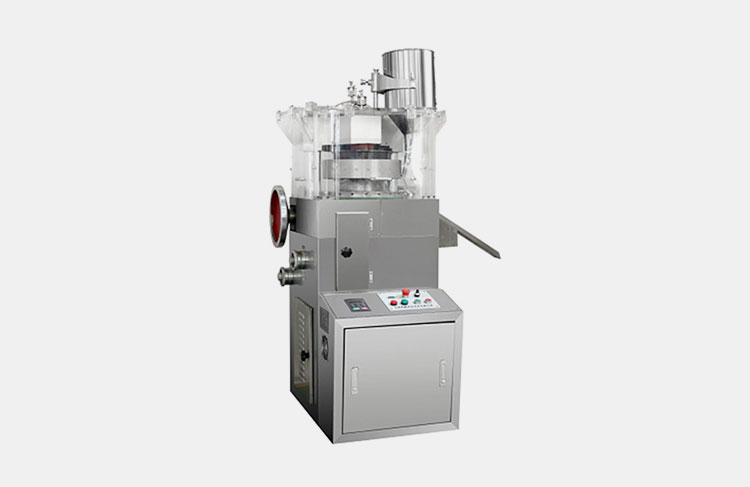
High precision tooling for tableting
I ruined many punches before I found the right setup. The machine settings and the metal tools must work together. I buy high-quality tools now. They run for millions of tablets. You must check the clearance with a tool.
Adjusting the Compression Process
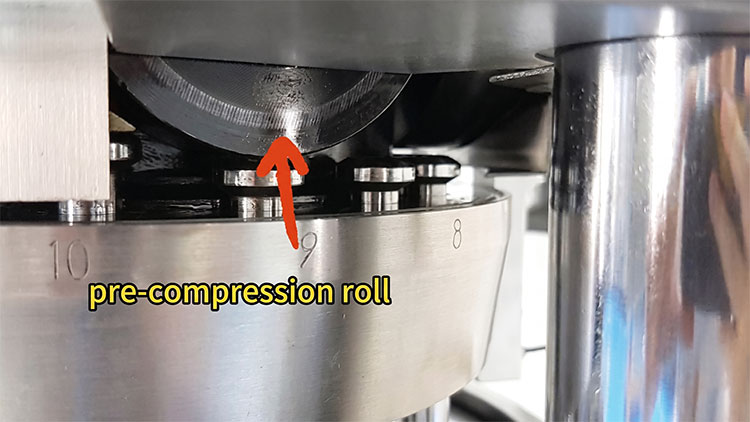
You cannot hit fibers fast. You must use pre-compression. I set the pre-compression force to thirty or forty percent of the main pressure. This slow squeeze pushes the air out of the fluffy powder. It stops capping. I also raise the main pressure slightly.
Controlling the Room Environment
Herbs hate humidity. I keep the room humidity between forty and fifty percent. I keep the temperature around 22 degrees Celsius. This stops the powder from getting sticky.
Selecting High-Precision Tooling
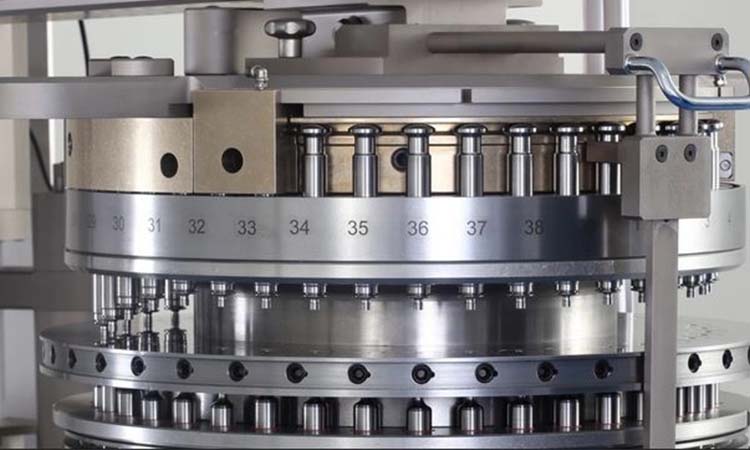
Standard punches fail quickly with TCM extracts. You need special tools.
| Tooling Feature | Requirement | Reason for TCM Extracts |
| Punch Shape | Shallow concave | Stops powder from hiding in deep curves |
| Clearance | 3 to 5 micrometers | Stops powder from leaking out |
| Surface Coating | TiN or DLC coating | Stops the wet herbs from sticking |
| Metal Material | Tungsten carbide | Resists the hard wear of tough fibers |
These tooling choices cost more money at first. But they save you thousands of dollars in wasted materials. You must match the tool to the fiber.
To completely suppress tool degradation driven by the highly abrasive nature of lignified crystalline structures, utilizing conventional pharmaceutical steel is insufficient. Modern high-speed herbal manufacturing runs require specialized configurations that satisfy the metallurgical processing criteria outlined in the WHO Guidelines on Good Manufacturing Practices for Herbal Medicines.
Upgrading to a tight 3 to 5 micrometer tool clearance combined with chromium nitride or Diamond-Like Carbon (DLC) physical vapor deposition ensures complete anti-adherence protection.
4.How do you fix sudden tableting defects during TCM production?
Emergencies happen in every factory. Your machine suddenly makes bad tablets. You feel panic. I will show you how to fix these sudden problems quickly and safely.
You fix sudden defects by checking the moisture level and cleaning the punches immediately. If tablets stick, add a tiny amount of magnesium stearate. If tablets break, increase the pre-compression pressure and slow down the machine speed. If weights vary, use a force feeder.
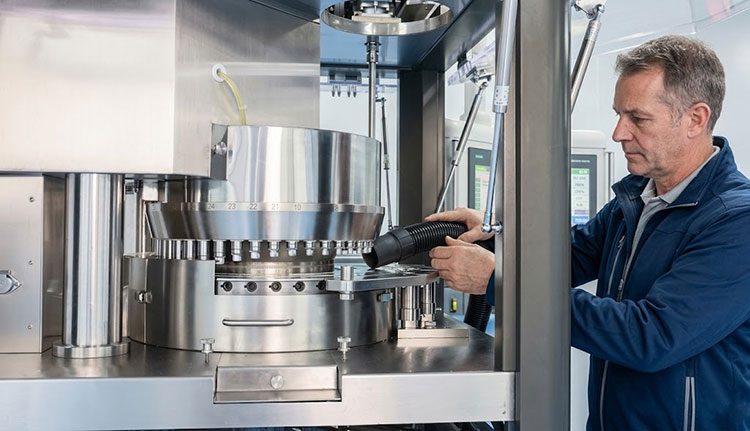
Troubleshooting tablet defects
I keep a checklist next to my machine. My boss gave it to me on my first day. When a problem starts, I act fast. I do not wait. I fix the small problems before they ruin the whole batch.
Fixing Sticking Problems
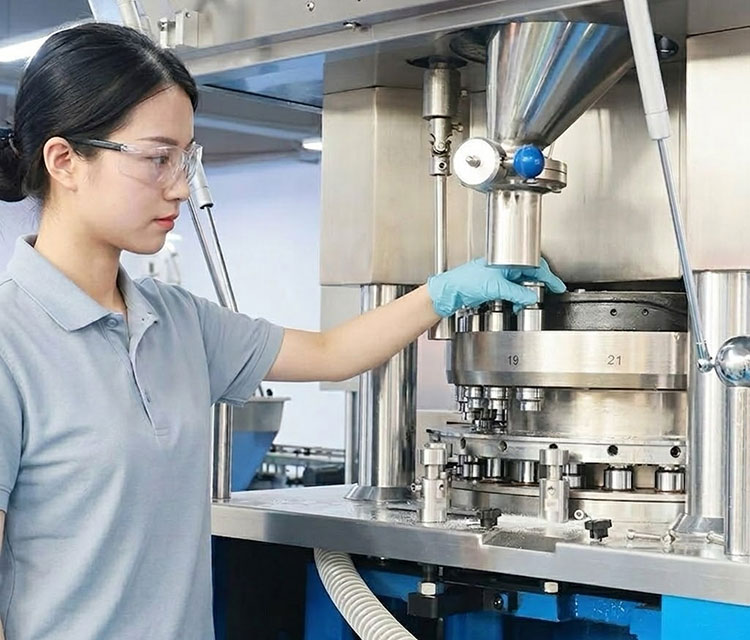
Sticking is the most common issue. I stop the press. I check the powder moisture. If it is too wet, I dry it again. I clean the punch faces with alcohol. Sometimes I add a very small amount of magnesium stearate. I never add more than half a percent.
Stopping Capping and Breaking
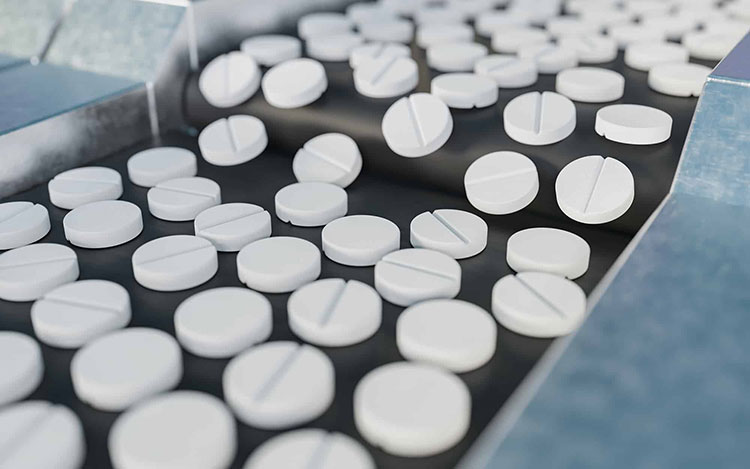
When tablets split in half, the fibers are bouncing back. I increase the pre-compression pressure. I slow down the turret speed. This gives the fiber time to stay flat. If this fails, I must add more pregelatinized starch to the powder mix.
Correcting Weight Variations
Sometimes the powder bridges in the hopper. The die holes do not fill up.
| Defect | Immediate Action | Secondary Action |
| Sticking | Clean punches | Check moisture or Add lubricant |
| Capping | Increase pre-compression | Slow down machine speed |
| Weight Variation | Turn on force feeder | Add anhydrous lactose |
| Mottled Surface | Lower room humidity | Mix powder longer |
You can use this simple chart in your daily work. It solves most TCM tableting problems. You will save time and money.
Conclusion
You can press TCM extracts easily if you control the moisture, use wet granulation, adjust your pre-compression, and choose coated, shallow punches. These steps will stop sticking and capping forever. Natural fibers don't just compress; they fight back. Don't let material elasticity lead to capping and wasted batches. Click here to request a Free Tablet Compressibility Audit and discover how AIPAK’s specialized tooling geometry can tame your toughest TCM extracts!
FAQ
References
1.WHO Guidelines on Good Manufacturing Practices (GMP) for Herbal Medicines —— World Health Organization Regulatory Series
2.Compaction Physics of Herbal Extracts: Evaluating Elastic Recovery and Tensile Strength of Fibrous Phytochemical Matrices —— ScienceDirect / Powder Technology
3.Moisture Plasticization and Glass Transition Phenomena in Amorphous Botanical Powder Consolidated Systems —— International Journal of Pharmaceutics
4.Advanced Tooling Metallurgy: Application of Tungsten Carbide and DLC Coatings in Abrasive Solid Dosage Compression —— Journal of Pharmaceutical Sciences and Engineering
5.Mechanistic Analysis of Air Entrapment and Capping Defects during High-Speed Rotary Tableting —— Pharma ChemTec Review
Don't Forget To Share Article!

Avril
Senior Pharmaceutical Equipment Specialist & Project Consultant at AIPAK
Avril brings deep, multi-year expertise to the pharmaceutical machinery sector, specializing in solid dosage production lines and complex cleanroom layout engineering. As a veteran project consultant at AIPAK, she is known for her hands-on capability to match technical machine parameters with strict global compliance standards. Passionate about driving real business results, Avril works closely with international pharma clients to solve structural bottlenecks—such as facility footprint constraints and material flow optimization—ensuring they receive tailored, highly efficient one-stop turnkey solutions for their production goals.
Tablet Press Machine Related Posts

























Tablet Press Machine Related Products
Tablet Press Machine Related Videos
CONTACT US
Tell us your raw material and project budget to get quotations within 24 hours.
WhatsApp Us: +86 181 7101 8586

Want the best price & newest pharmaceutical machinery buying guide,tips and trends sent straightly to your box?Sign up for AIPAK’s monthly newsletter,we’re free for your consultation and Offer you the most suitable solutions!
The Buyer's Guide
- Capsule Filling Buyer's Guide
- Blister Packaging Buyer's Guide
- Tablet Counting Buyer's Guide
- Tube Filling Buyer's Guide
- Cartoning Buyer's Guide
- Gummy Making Buyer's Guide
- CO2 Extraction Buyer's Guide
- Empty Capsules Buyer's Guide
- Suppository Filling Buyer's Guide
- Tablet Coating Buyer's Guide
- Tablet Press Buyer's Guide
- Softgel Encapsulation Buyer's Guide
Most Popular
- 7 Importance Of Pharmaceutical Packaging In Different Applications You Must Know
- 6 Advantages You Must Know About Tablet Counting Machine
- 8 Advantages of Blister Packaging You Must Know
- 6 Critical Applications of Automatic Capsule Filling Machine
- 6 Stations You must Know to Improve the Filling Quality of Automatic Capsule Filling Machine