
Tablet Press Tooling Preservation: Advanced Anti-Corrosion and Metallurgical Coating Strategies for High-Speed Rotary Presses
Mitigating oxidation kinetics within solid dosage compaction tools—specifically upper punches, lower punches, and die cavities—is an operational mandate, as localized electrochemical corrosion rapidly triggers material picking, tablet weight fluctuations, and catastrophic tooling degradation.
To sustain unbroken structural integrity and eliminate surface pitting under high-velocity continuous manufacturing, pharmaceutical processing tracks must enforce strict cleanroom relative humidity constraints paired with active solvent displacement drying methods.
This technical guide establishes the precise chemical and mechanical variables governing tool steel passivation, outlining how advanced thin-film coatings and proper storage validation prevent product contamination and secure strict cGMP compliance.
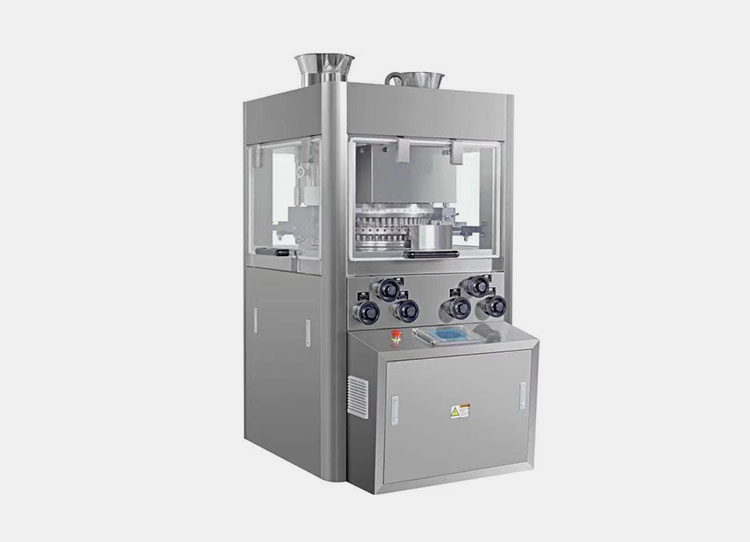
Tablet press machine tooling anti rust
The cross-linking of iron molecules with ambient moisture and reactive chemical radicals represents the primary mechanical degradation path for high-carbon tool steel under high-speed compression cycles. Operating automatic rotary tablet presses without continuous relative humidity limits below 50% provokes instant moisture condensation across cooled steel boundaries.
Furthermore, tableting highly hygroscopic or inherently acidic formulation compounds—such as synthetic L-ascorbic derivatives or crystalline chloride salts—initiates localized pitting attacks that strip the metal's protective passivation layer.
This structural degradation generates micro-roughness on the punch faces, resulting in persistent formulation adhesion (sticking) and dynamic volume non-uniformity within the die frame during mass production unless neutralized via proactive metal passivation.
1.Why Do Tooling Parts on a High-Speed Tablet Press Rust?
You see brown spots on your dies. Your tablets look bad. Why does this happen? Let us look at the main reasons for tool rust.
Tooling rusts mainly because water stays on the parts after cleaning. High room humidity causes condensation. Also, acidic materials like vitamin C or wrong cleaning liquids eat the metal surface. Leaving tools out without oil also causes fast rusting.
I have seen many broken tools in the past 15 years. I always tell my clients that rust does not happen by magic. You need to look at your whole process.
First, let us talk about water. Water is the biggest enemy of your upper punches, lower punches, and dies. If you do not blow dry every small hole, rust starts in hours.
Second, think about your materials. Some powders hold salt or acid. When these powders touch metal, they start a chemical reaction.
Here is a simple breakdown of the main rust triggers:
| Rust Trigger | How It Happens | Impact on Tooling |
| Leftover Water | Incomplete drying after washing | Fast surface rust |
| Bad Environment | High heat and high humidity | Condensation on cold metal |
| Harsh Powders | Acidic or salty ingredients | Chemical breakdown of metal |
| Wrong Cleaners | Too much acid or base in soap | Strips away protective layers |
You must check these four things every day. If you ignore them, your tools will fail. Your tablets will stick to the punches. The tablet weight will change. Finally, you will have to buy new tools.
2.How Should You Dry Tablet Press Tooling After Cleaning?
Washing tools is easy, but drying them is hard. If you leave one drop of water, rust wins. Here is the right way to dry your tools.
You must dry tablet press tooling completely right after washing. Use a hot air gun to blow high-pressure air into every die hole. You can also use pure ethanol or isopropyl alcohol to wash away water fast. Make sure there are no water marks left.
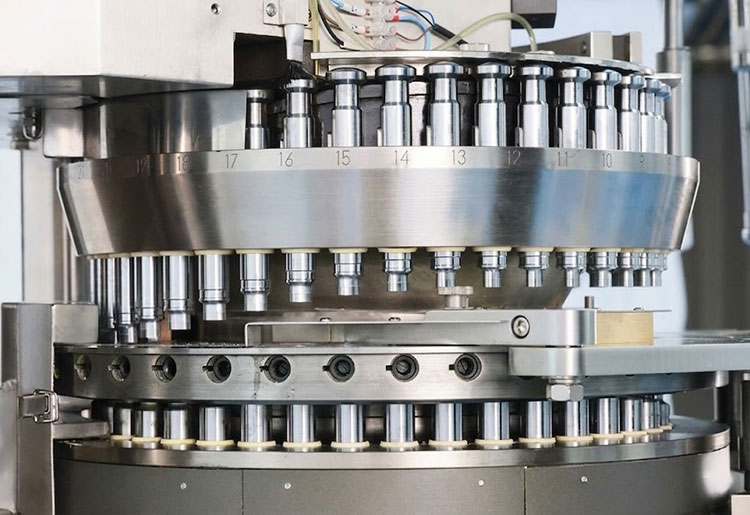
Drying tablet press tooling
Relying on passive ambient air-drying post-aqueous sanitization introduces immediate oxidation hazards due to extended moisture residence times on critical steel matting.
Advanced tooling maintenance protocols dictate an active multi-stage extraction sequence; after utilizing pressurized water filtration loops, components must undergo immediate fluidic displacement utilizing high-purity isopropyl alcohol or absolute ethanol, driving instant capillary evaporation before thermal pneumatic guns blow out deep die internal orifices completely to prevent microscopic water scaling.
Air drying takes too long. Water sits on the metal and causes rust. You need an active drying process.
Use the Right Tools
You must use a hot air gun. Aim the hot air directly into the middle hole of the die. Do this for every single piece.
The Alcohol Trick
Many professional makers use a quick trick. After you wash the tools with water, dip them in pure ethanol. Alcohol mixes with water and dries very fast. This pulls all the water off the metal.
Visual Check
Before you put the tools away, look at them under a bright light. You must see zero water drops. You must see zero water marks. If you see a mark, wash and dry it again. This strict rule saves your tools.
3.What Are the Best Anti-Rust Steps During Daily Production?
Your tools can rust while the tablet press machine runs. Powders and air hurt the metal. How do you protect the punches during a long shift?
During daily production, keep the room humidity below 50% to stop water from forming on cold metal. If you press acidic powders, clean the machine often. If you stop the machine for more than two hours, clean the tools and put a thin layer of oil on them.
You might think your tools are safe when the tablet press is running. This is not true. The air in your room plays a big part. I always check the air system when I set up a new solid dosage line.
Control the Air
You must keep the room dry. The humidity must stay under 50 percent. If the room gets hot and cold, water drops form on the heavy metal press. This water goes straight to the punches.
Manage Harsh Materials
If you make vitamin C tablets or use salty powders, you have a higher risk. These powders eat metal fast. Do not run these powders for five days without a break. Stop the machine, clean the tools, and start again.
Short Stops
Sometimes you stop the machine for lunch or a meeting. If you stop for more than two hours, do not just walk away. Take a clean cloth. Wipe the powder off the dies. Put a very thin layer of food-safe oil on them. This simple habit blocks the air and powder from hurting the metal while you are gone.
4.How Do You Protect Tooling During Short-Term and Long-Term Storage?
Bad storage destroys good tools. If you put tools in a box and forget them, they will rust. Let me show you how to pack them right.
For short-term storage, clean, dry, and cover tools with a thin layer of anti-rust oil, then put them in a sealed box with desiccants. For long-term storage, use a heavy-duty rust oil, vacuum seal the parts, and check them every few months to make sure the oil stays good.

Storing tablet press tooling
Substandard preservation environments drive rapid tooling degradation, as unprotected tool steels experience continuous exposure to ambient oxygen and residual humidity inside unsealed containers.
Validated short-term holding sequences require coating clean components with thin, low-viscosity food-grade anti-rust oils paired with vapor-phase inhibitor (VPI) desiccants inside hermetic boxes. Long-term storage cycles mandate thick hydrophobic barrier applications combined with full vacuum-seal plastic layering to completely block airborne moisture pathways.
The Short-Term Method
If you will use the tools next week, follow this easy path. Take them out. Wash them. Dry them completely. Then, put special anti-rust oil on them. The oil must be thin. If it is too thick, it blocks the holes. Put the tools in a plastic box. Add small bags of desiccant to eat the water in the air. Close the box tight. Keep it in a cool, clean room.
The Long-Term Method
If you will not use the tools for six months, you need a stronger plan.
| Step | Action | Purpose |
| 1 | Use heavy oil | Blocks all air and water from the metal |
| 2 | Vacuum seal | Removes air from the plastic bag |
| 3 | Add big desiccants | Catches any small water drops left inside |
| 4 | Regular checks | Finds bad oil before rust starts to grow |
You must check these bags every two months. If the oil looks dry, clean the tool and oil it again. Do not wait for rust to show up.
5.Can Tooling Material and Coatings Prevent Rust from the Start?
Are you tired of cleaning rust? You can buy better tools. The right metal and coating stop rust before it even tries to start.
Yes, choosing the right material stops rust. If you press harsh materials, buy stainless steel or highly corrosion-resistant tooling. You can also add special coatings like TiN or CrN. These hard coatings put a strong wall between the harsh powder and the metal tool.
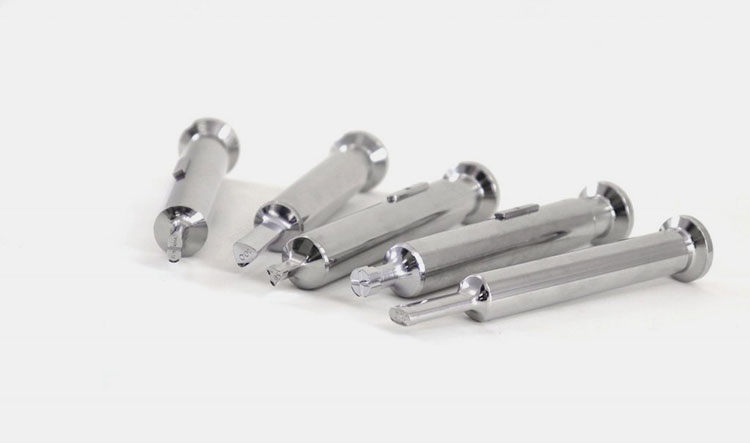
Coated tablet press tooling
We build custom pharmaceutical packaging lines every day. When a client tells me they make harsh chemical tablets, I stop them. I tell them normal steel will not work. You need to plan from the beginning.
Choose the Right Metal
Most standard tools use good tool steel. But if your powder has salt or acid, you must upgrade. Stainless steel is a great choice. It fights rust naturally. It costs a little more, but it lasts much longer. You save money because you do not buy tools twice.
Use Strong Coatings
If you want the best protection, use a coating. We often suggest TiN or CrN.
TiN Coating:This makes the tool look gold. It is very hard. It stops powder from sticking. It blocks water and acid.
CrN Coating:This looks silver. It is even better for fighting bad chemicals.
When you buy a tablet press machine, ask the maker about these options. A good machine needs good tools. If you use coated tools, your daily work becomes much easier. You still need to clean and dry them, but the risk of fast rust goes way down.
Conclusion
To stop rust, wash well, blow dry, apply oil, and keep the room dry. Good habits and coated tools keep your tablet press running perfectly for years. Noticing signs of wear or persistent sticking on your punches? Don't wait for a breakdown. Click here to consult AIPAK’s maintenance experts for a Free Tooling Audit or to order our high-performance Anti-Rust Protection Kit today!
Rotary Tablet Press Tooling & Anti-Rust Maintenance FAQ
References
1.FDA Guidance for Industry: Q7A Good Manufacturing Practice Guidance for Active Pharmaceutical Ingredients —— U.S. Food and Drug Administration (FDA)
2.IPT Standard Specifications for Pharmaceutical Tableting Tooling (Eurostandard Alignment) —— International Pharmaceutical Tooling (IPT)
3.Electrochemical Corrosion and PVD Thin-Film Coating Mechanics on High-Carbon Tool Steels —— Journal of Materials Processing Technology
4.Thermodynamic Dehumidification and Condensation Dynamics in High-Velocity Solid Dosage Cleanrooms —— Advanced Pharmaceutical Automation Review
Don't Forget To Share Article!

Mason
Senior Pharmaceutical Automation Engineer & Fluidic Systems Specialist at AIPAK
Mason brings over a decade of hands-on technical experience in engineering high-containment fluid delivery loops, industrial water purification infrastructure (WFI), and cGMP-compliant sterile packaging lines for international markets. Specializing in the mechanical design of multi-station washing-filling-sealing production matrices, automated high-voltage leak detection (HVLD), and ATEX-certified component isolation, his validation workflows ensure that volatile and light-sensitive chemical formulations achieve complete regulatory harmony across complex ASEAN and European biopharmaceutics logistics sectors.
Tablet Press Machine Related Posts




































Tablet Press Machine Related Products
Tablet Press Machine Related Videos
CONTACT US
Tell us your raw material and project budget to get quotations within 24 hours.
WhatsApp Us: +86 181 7101 8586

Want the best price & newest pharmaceutical machinery buying guide,tips and trends sent straightly to your box?Sign up for AIPAK’s monthly newsletter,we’re free for your consultation and Offer you the most suitable solutions!
The Buyer's Guide
- Capsule Filling Buyer's Guide
- Blister Packaging Buyer's Guide
- Tablet Counting Buyer's Guide
- Tube Filling Buyer's Guide
- Cartoning Buyer's Guide
- Gummy Making Buyer's Guide
- CO2 Extraction Buyer's Guide
- Empty Capsules Buyer's Guide
- Suppository Filling Buyer's Guide
- Tablet Coating Buyer's Guide
- Tablet Press Buyer's Guide
- Softgel Encapsulation Buyer's Guide
Most Popular
- 7 Importance Of Pharmaceutical Packaging In Different Applications You Must Know
- 6 Advantages You Must Know About Tablet Counting Machine
- 8 Advantages of Blister Packaging You Must Know
- 6 Critical Applications of Automatic Capsule Filling Machine
- 6 Stations You must Know to Improve the Filling Quality of Automatic Capsule Filling Machine