
Advanced Rotary Tablet Press Engineering: 5 Tooling Traps in Pure Vitamin C Direct Compression and Downstream Solutions
Executing the direct compression of pure L-ascorbic acid (Vitamin C) at high-volume industrial scales presents complex chemical and mechanical boundaries, as standard tableting configurations often trigger localized capping, material picking, and accelerated batch yellowing.
To systematically stabilize throughput and prevent micro-structural failures, pharmaceutical production trains must integrate advanced thermodynamic containment, severe corrosion-resistant metallurgy, and precise multi-stage compression dynamics.
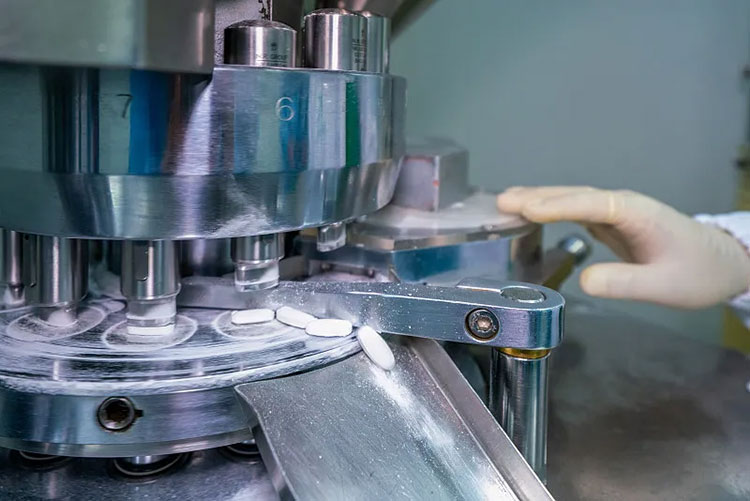
Pure vitamin c direct compression traps
This technical packaging guide establishes the metallurgical specifications and mechanical parameters—including specialized tungsten carbide dies, diamond-like carbon (DLC) coatings, and dual-stage pre-compression indexing—mandatory to enforce premium tablet weight consistency and stop product oxidation.
1.Why Is Pure Vitamin C Powder a Nightmare for Direct Compression?
Pure Vitamin C powder ruins production. The powder absorbs water fast and breaks your tablets. You must understand its traits to stop these daily failures.
Pure Vitamin C powder is highly acidic, hygroscopic, and poorly compressible. It corrodes standard metal molds, absorbs moisture to cause sticking, and bounces back under pressure. These traits make direct compression very difficult without specialized tooling and strict environmental controls.
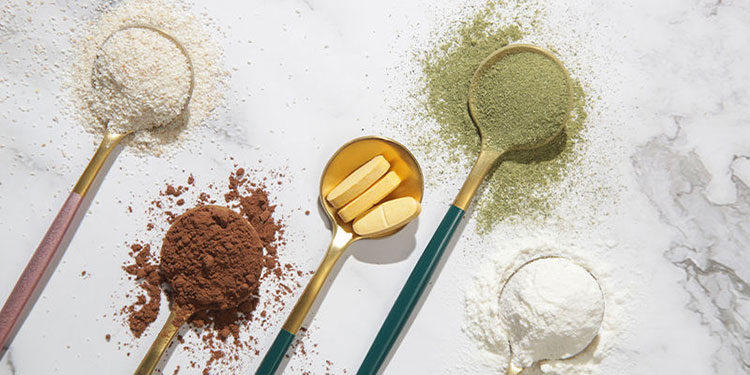
Vitamin c powder characteristics
Processing bulk L-ascorbic acid through direct compression continuous arrays targets severe structural barriers due to the powder's inherently low pH (approximately 2.5), high hygroscopicity, and erratic crystalline elasticity.
Under standard mechanical compression, the aggressive chemical acidity induces immediate galvanic corrosion on unpassivated carbon steel molds, releasing trace iron ions that catalyze rapid product oxidation and turn bright white matrices into degraded yellow or brown batches.
Mechanically, the fine particulate structure displays a high elastic recovery profile (the 'spring-back' effect), retaining micro-entrained air that expands violently upon die ejection and triggers widespread tablet capping or delamination unless managed via dedicated tooling geometries.
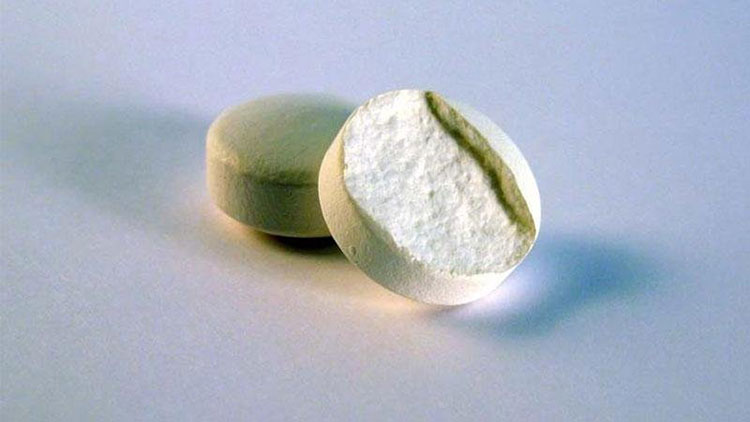
The physical traits are just as bad. The powder absorbs moisture from the air instantly. It becomes sticky and clumps together. It also flows very poorly because the particles are fine and lack natural stickiness. When you press it, the crystals act like small springs. They bounce back. This bounce causes tablets to break or split.
| Trait | Direct Result | How It Fails |
| High Acidity | Metal corrosion | Rust ruins molds and contaminates powder |
| Fast Oxidation | Color change | Tablets turn yellow and lose active ingredients |
| High Hygroscopicity | Sticky powder | Powder sticks to punches and blocks flow |
| High Elasticity | Spring-back effect | Tablets crack, split, or lose their edges |
You need to break down these problems one by one. You cannot fix the powder. You must upgrade your tools.
2.Why Does Pure Vitamin C Destroy Standard Tableting Molds?
Standard molds rust quickly. Corroded molds release metal ions and turn your Vitamin C yellow. You need the right metal to stop this expensive waste.
Standard carbon steel molds fail because pure Vitamin C has a pH of 2.5. The acid causes rust and releases metal ions. These ions act as catalysts and oxidize the Vitamin C. You must use tungsten carbide or highly corrosion-resistant stainless steel to prevent this chemical reaction.
AIPAK’s tablet press machine mold
Procuring standard unalloyed carbon steel tooling for acidic solid dosage lines induces catastrophic electrochemical degradation.
The abrasive nature of pure ascorbic acid micro-crystals initiates rapid surface pitting along the punch faces after minimal operational cycles, leading to cross-contamination and catalytic oxidation pathways that render the compressed tablets commercially non-viable.
This rust is not just a cosmetic problem. The rust releases iron ions into your powder. Iron acts as a fast catalyst for Vitamin C. It makes the powder oxidize almost instantly. Your bright white tablets will turn deep yellow or brown. You cannot sell brown Vitamin C tablets.
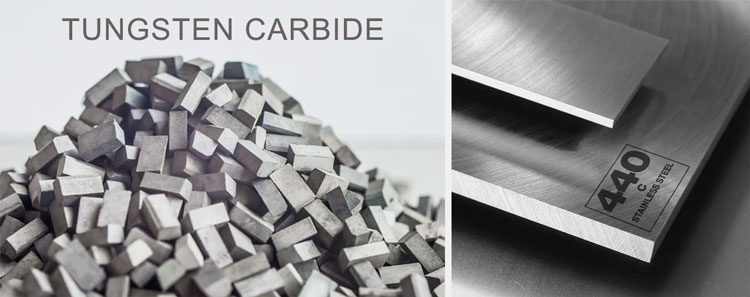
Tungsten carbide and 440C stainless steel
You must change your base mold material. You have two good choices. First, you can use tungsten carbide. Tungsten carbide is extremely hard and resists acid perfectly. It lasts a very long time for big production runs. Second, you can use 440C stainless steel. This steel resists corrosion well. It costs less than tungsten carbide. It works great for smaller batches.
| Mold Material | Acid Resistance | Best Use Case |
| Carbon Steel | Very Poor | Never use for pure Vitamin C |
| 440C Stainless Steel | Good | Small to medium production runs |
| Tungsten Carbide | Excellent | Large, continuous production runs |
You must absolutely ban standard chrome-plated molds from your factory. The acid will eat the cheap chrome and ruin your batch.
3.How Can You Stop Vitamin C Powder from Sticking to Punches?
Sticky powder stops your tablet press machines. The powder builds up on the punch and ruins tablet faces. You must use special surfaces to keep your tools clean.
You stop pure Vitamin C from sticking by using ultra-mirror polishing and dedicated anti-stick coatings. The mold surface roughness must be below Ra 0.025μm. You should apply Diamond-Like Carbon (DLC) or Titanium Nitride (TiN) coatings to block moisture and prevent powder adhesion.
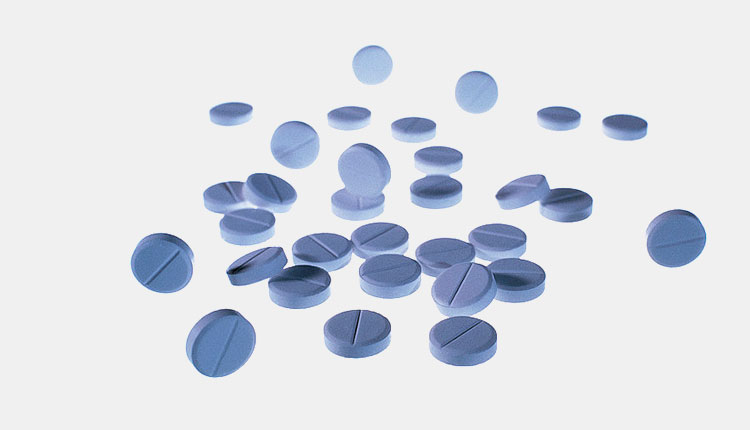
Anti stick coating for tableting
Operating standard polished tooling steel under ambient relative humidity accelerates capillary liquid-bridging, a mechanical failure known as picking or sticking.
Microscopic surface irregularities and sub-micron scratches within conventional metal punch faces trap fine adhesive powders, increasing frictional drag and necessitating immediate line stoppages that severely compromise Overall Equipment Effectiveness (OEE).
You cannot use a normal polished surface. A normal surface looks smooth to your eye. But under a microscope, it has tiny holes and scratches. The sticky Vitamin C powder gets trapped in these holes. You need an ultra-mirror finish. The surface roughness must be Ra 0.025μm or lower. This level of polish leaves no dead spots for the powder.
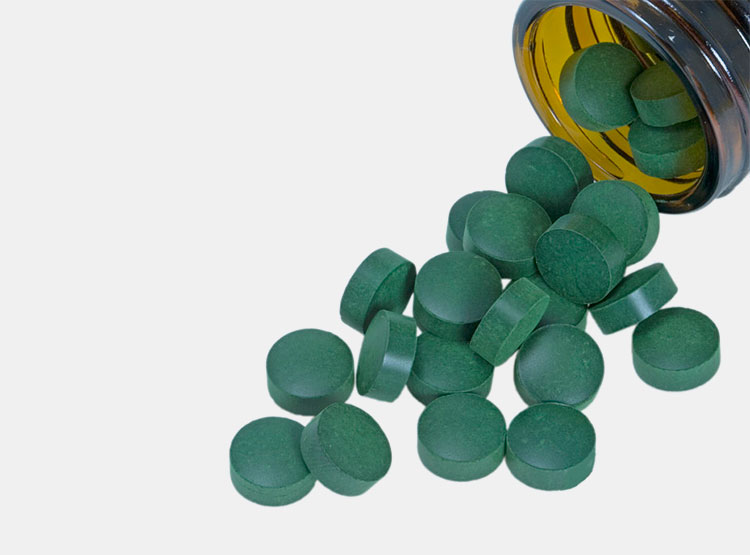
Diamond-Like Carbon (DLC) coating
A smooth surface is not enough. You must add a strong coating. I always recommend a Diamond-Like Carbon (DLC) coating. DLC is very hard. It stops sticking completely. It also resists acid. If DLC is too expensive, you can use Titanium Nitride (TiN). TiN works well for normal runs.
| Coating Type | Sticking Prevention | Durability |
| Standard Chrome | Low | Fails quickly under acid |
| Titanium Nitride (TiN) | High | Good for normal daily use |
| Diamond-Like Carbon (DLC) | Very High | Best choice, handles heavy runs |
Do not skip the coating step. A bare metal punch will always stick to pure Vitamin C.
4.Which Punch Shape Prevents Vitamin C Tablets from Capping?
Broken tablets cost you money. Deep punches cause the powder to bounce back and split. You need the right punch shape to hold the tablet together.
You prevent Vitamin C capping by using shallow concave punches with large curves. Pure Vitamin C powder has high elasticity and bounces back after compression. A shallow concave shape distributes the pressing force evenly, reduces the spring-back effect, and stops the tablet edges from breaking or splitting.
Punch shape for vitamin c tablets
Pure Vitamin C crystals are hard and bouncy. When you press them, they want to expand back to their original size. This spring-back effect is the main reason tablets split. We call this capping. The top of the tablet pops off. I lost a whole batch to capping before I understood punch shapes.
Many people try to fix capping by adding more pressure. More pressure makes the problem worse. The real fix is changing the punch shape.
You must never use flat punches. Flat punches push the powder straight down. The powder pushes straight back up and breaks the tablet. You must also avoid deep concave punches. Deep punches create uneven force. The edges get weak and break off.
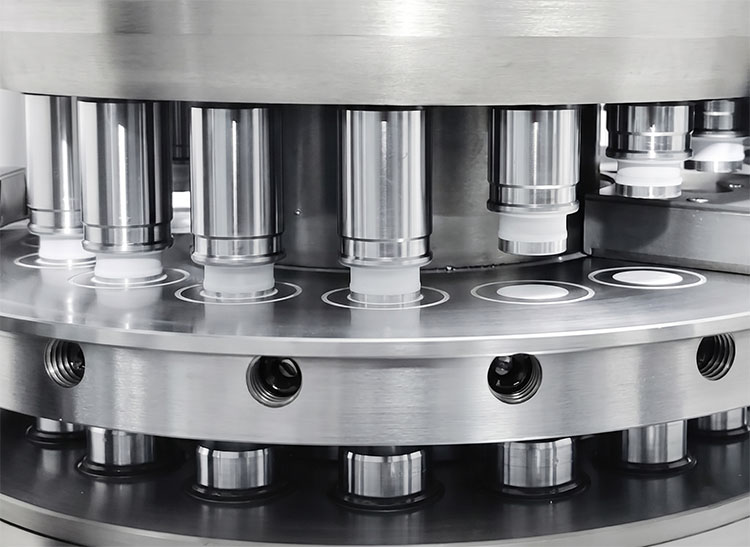
You need a shallow concave punch with a large, gentle curve. This shape spreads the pressing force across the whole tablet. It gives the bouncy powder room to settle. It reduces the stress on the tablet edges.
| Punch Shape | Force Distribution | Risk of Capping |
| Flat Face | Very Uneven | Extremely High |
| Deep Concave | Uneven | High |
| Shallow Concave | Even | Low |
You must also remove any deep letters or complex logos from the punch face. Deep letters create weak spots. The powder will stick in the letters and cause the tablet to crack.
5.Why Does Mold Clearance Ruin Vitamin C Tablet Weight?
Uneven tablet weights destroy your quality control. Bad mold clearance leaks powder and creates friction. You must control the gap perfectly to keep weights exact.
Mold clearance ruins tablet weight because pure Vitamin C flows poorly and sticks easily. If the gap between the punch and die is too large, powder leaks out. If the gap is too small, friction generates heat, oxidizes the Vitamin C, and causes the punch to jam.
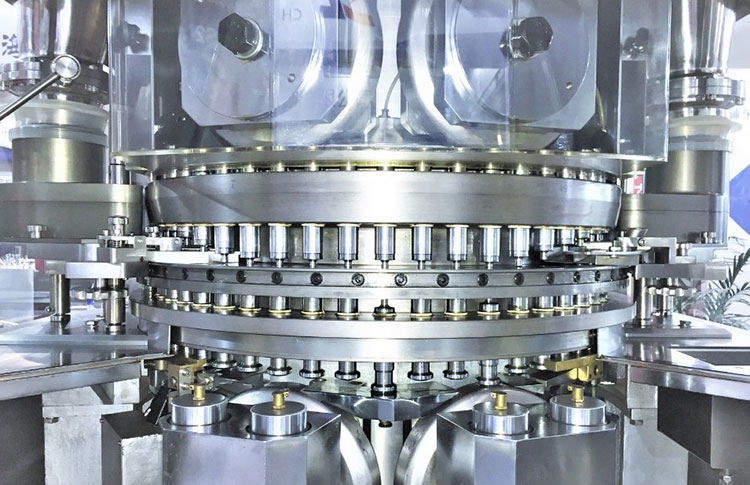
Mold clearance in tableting
The gap between your punch and your middle die is critical. We call this clearance. Pure Vitamin C powder has terrible flow. It does not fill the die easily. If your clearance is wrong, you will face big problems.
I have seen operators use worn-out dies. The gap gets too big. When the punch comes down, the fine Vitamin C powder shoots out of the gap. You lose powder on every press. Your tablets will have different weights. You will fail quality inspections.
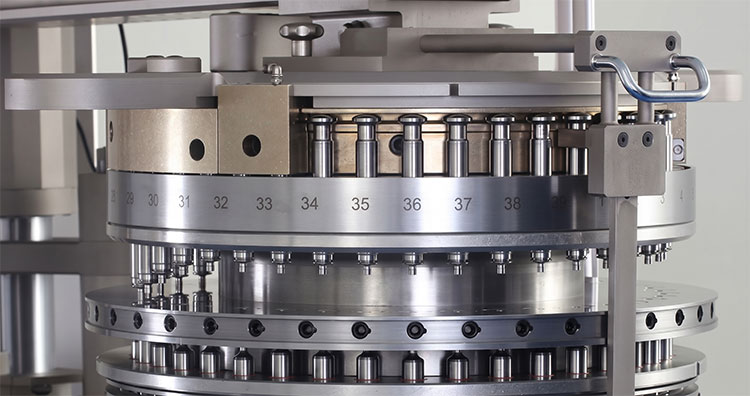
You might think a very tight gap is better. A tight gap is actually worse. Pure Vitamin C is sticky. If the gap is too small, the punch rubs hard against the die. This friction creates a lot of heat. Heat is the enemy of Vitamin C. The heat oxidizes the powder and turns it yellow instantly. The friction also makes the punch get stuck in the die.
| Clearance Issue | Physical Result | Quality Impact |
| Gap Too Large | Powder leaks out | Tablet weight varies wildly |
| Gap Too Small | High friction heat | Tablets turn yellow, punches jam |
| Perfect Gap | Smooth movement | Consistent weight, no color change |
You must check your mold dimensions constantly. You need perfect alignment. The punch must drop into the die perfectly straight every single time.
6.How Does Pre-compression Save Your Vitamin C Direct Compression?
Single presses trap air inside the tablet. Trapped air makes the tablet explode when it leaves the mold. You must add a pre-compression step to push air out.
Pre-compression saves your process by removing trapped air before the main pressing stage. Pure Vitamin C has poor compressibility. A high-speed press with a pre-compression function gently squeezes the air out first. This two-step process stops capping, reduces friction heat, and creates a solid, stable tablet.
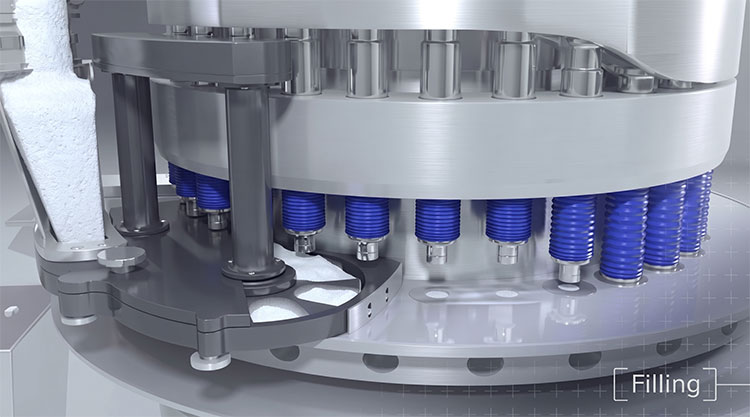
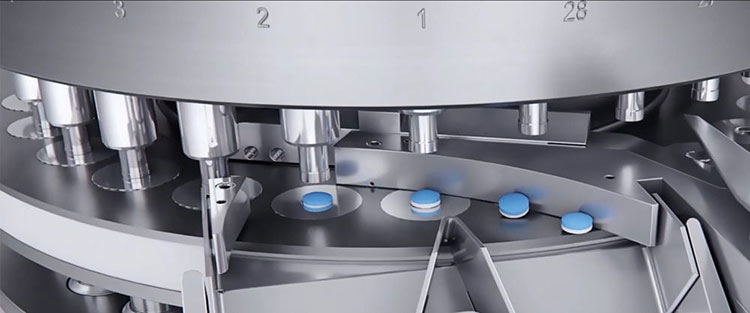
Pre compression in tablet press
You cannot force pure Vitamin C into a tablet in one fast hit. The powder holds a lot of air between its fine particles. If you hit it once with full pressure, the air gets trapped inside the tablet. When the tablet leaves the die, the trapped air expands. The tablet breaks apart. I learned this the hard way on a single-press machine.
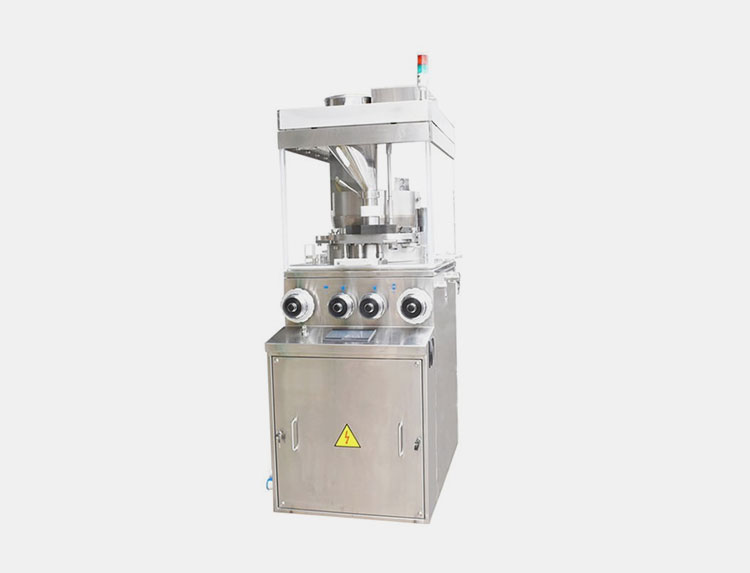
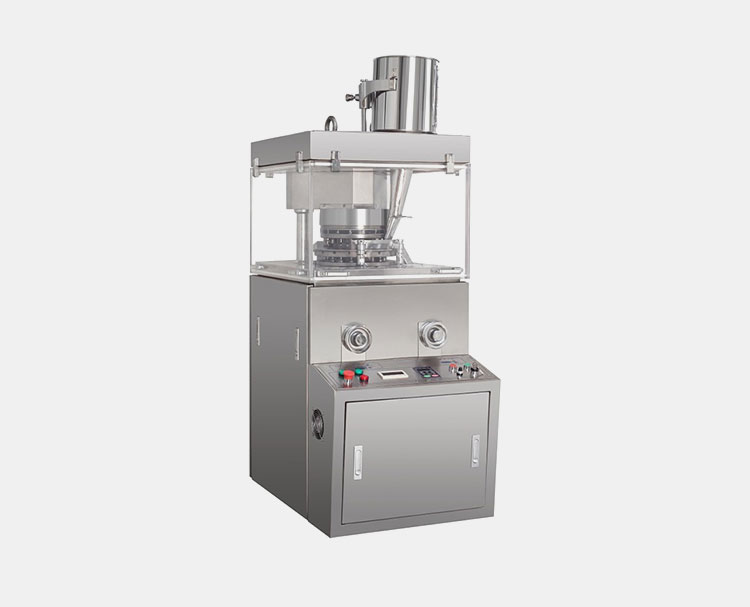
AIPAK’s tablet press machine
You must use a high-speed tablet press with a pre-compression station. This machine uses a two-step process. First, the pre-compression roller applies a small, gentle force. This gentle squeeze pushes all the air out of the powder. It packs the powder down safely.
Second, the main compression roller applies the final heavy force. Because the air is gone, the bouncy Vitamin C crystals lock together properly.
| Compression Step | Action | Benefit |
| 1. Pre-compression | Gentle squeeze | Removes trapped air from powder |
| 2. Main Compression | Full pressure | Forms a hard, solid tablet |
This two-step method also reduces heat. Less heat means your Vitamin C stays white and active. You must also check the inside of your middle die. The die wall must have no dead corners or small holes. Powder will hide in those holes, absorb water, and ruin the next tablet.
Conclusion
Pure Vitamin C direct compression demands strict control. You must use corrosion-resistant molds, anti-stick coatings, shallow punches, and pre-compression steps to stop yellowing, capping, and sticking completely. Struggling with persistent sticking or capping in your Vitamin C production? Don't let material chemistry compromise your output. [Click here to request a Free Tooling Surface Audit and get a customized anti-sticking solution from AIPAK’s engineering experts!
FAQ
References
1.FDA Guidance for Industry: Solid Oral Dosage Forms - Scale-Up and Post-Approval Changes (SUPAC) —— U.S. Food and Drug Administration (FDA)
2.Tablet Specification Manual (7th Edition): Standardized Tooling and Die Clearance Metrics —— American Pharmacists Association (APhA)
3.The Mechanical Behavior of Highly Elastic and Acidic Crystalline Matrices Under Pre-Compression Regimes —— Journal of Pharmaceutical Sciences
4.Advanced Vacuum Deposition DLC Coatings for Anti-Sticking Pharmaceutical Tooling Control —— Micro-Mechanical Engineering Compendium
Don't Forget To Share Article!

Bessie
Technical Content Strategist & Pharmaceutical Industry Analyst at AIPAK
Bessie is a senior technical content strategist at AIPAK, specializing in parsing complex pharmaceutical engineering workflows, solid dosage manufacturing data, and cleanroom design compliance. Working directly alongside frontline sales engineers and onsite technicians, she excels at translating raw field data into actionable technical playbooks for global pharma buyers. Bessie leverages her deep understanding of international regulatory standards—including FDA cGMP (21 CFR Part 211) and ISPE engineering guides—to ensure AIPAK’s localized facility layout solutions are structured, traceable, and fully optimized for maximum operational ROI.
Tablet Press Machine Related Posts
































Tablet Press Machine Related Products
Tablet Press Machine Related Videos
CONTACT US
Tell us your raw material and project budget to get quotations within 24 hours.
WhatsApp Us: +86 181 7101 8586

Want the best price & newest pharmaceutical machinery buying guide,tips and trends sent straightly to your box?Sign up for AIPAK’s monthly newsletter,we’re free for your consultation and Offer you the most suitable solutions!
The Buyer's Guide
- Capsule Filling Buyer's Guide
- Blister Packaging Buyer's Guide
- Tablet Counting Buyer's Guide
- Tube Filling Buyer's Guide
- Cartoning Buyer's Guide
- Gummy Making Buyer's Guide
- CO2 Extraction Buyer's Guide
- Empty Capsules Buyer's Guide
- Suppository Filling Buyer's Guide
- Tablet Coating Buyer's Guide
- Tablet Press Buyer's Guide
- Softgel Encapsulation Buyer's Guide
Most Popular
- 7 Importance Of Pharmaceutical Packaging In Different Applications You Must Know
- 6 Advantages You Must Know About Tablet Counting Machine
- 8 Advantages of Blister Packaging You Must Know
- 6 Critical Applications of Automatic Capsule Filling Machine
- 6 Stations You must Know to Improve the Filling Quality of Automatic Capsule Filling Machine