Decoding Tablet Compression: A Technical Guide to Material Mechanisms and Formulation Success

Do your tablets crumble, cap, or stick to the punch? You waste money when you ignore the hidden mechanics. I will show you how to master these forces today.

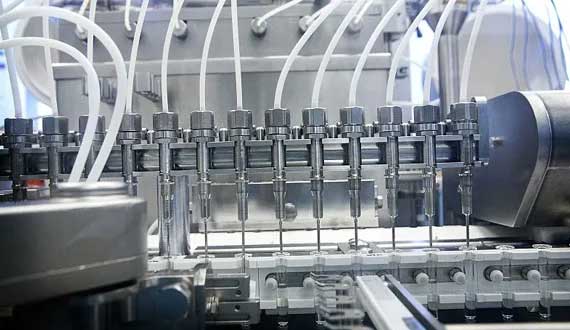
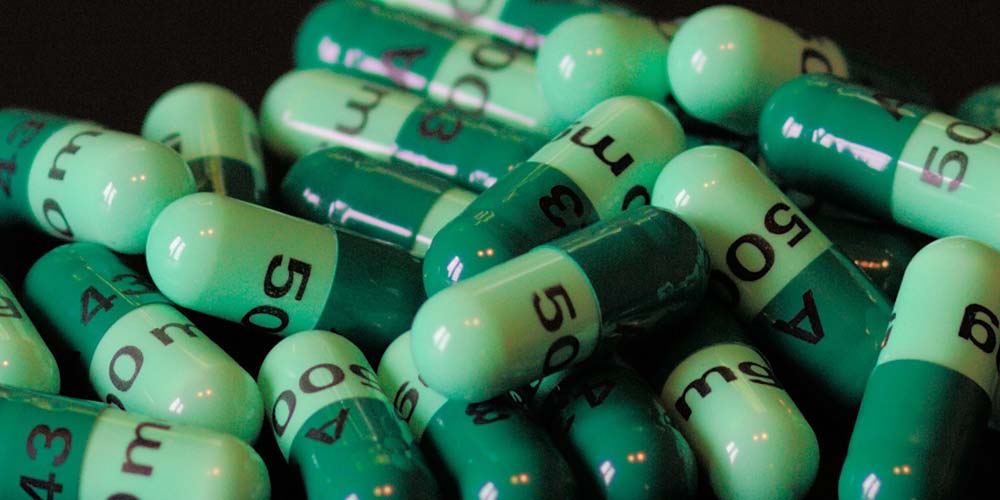
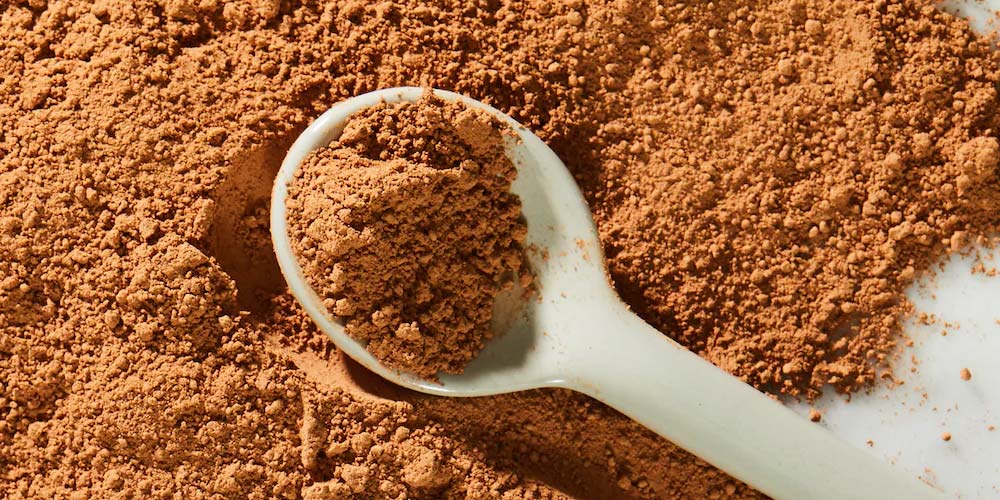
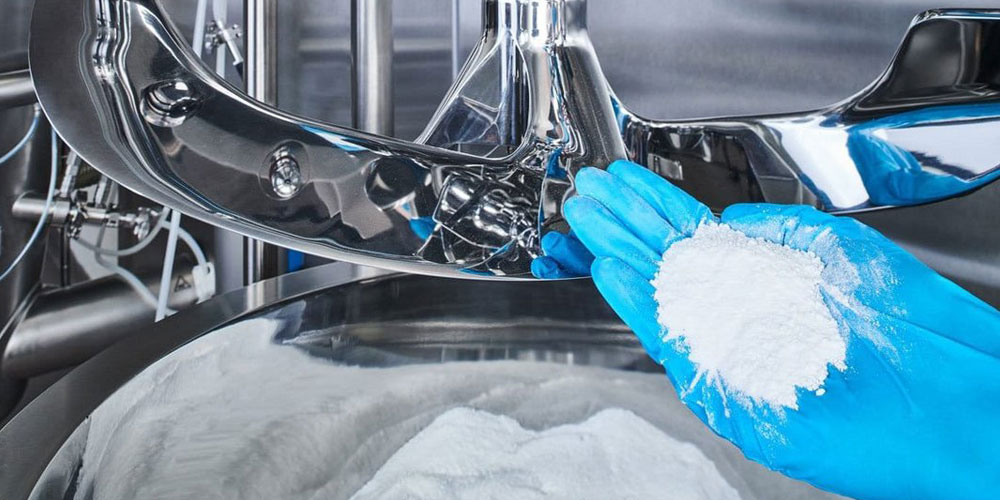
Tablet compression is the process of pressing powder mixtures into solid shapes. It relies on particle rearrangement, deformation, and bonding under pressure. Success depends on material properties, moisture, equipment, and excipient choices like binders and lubricants.

Tablet compression process

Tablet compression process

You might think pressing powder is a simple task. I used to think the same thing. But the real science behind it is deep. Let me explain the mechanics so you do not fail your next production batch.

1.How Does Powder Turn Into a Solid Tablet During Compression?

Loose powder breaks easily. Bad batches cost you time and money. We need to understand the three stages of compression to fix this problem fast.

The compression process happens in three stages. First, particles rearrange and fill empty spaces. Second, they break or change shape under pressure. Finally, particles bond together through forces like Van der Waals and hydrogen bonds to form a hard tablet.

Three stages of tablet compression

Three stages of tablet compression

I want to break down the compression process. It is not just pushing powder together. It involves physics and force.

Stage 1: Particle Rearrangement

Particle Rearrangement

I always watch the punch hit the powder. At first, the powder particles slide and rotate. They fill the large gaps. The density increases. The pressure is low here. The machine only overcomes friction.

Stage 2: Deformation and Fragmentation

Deformation and Fragmentation

The pressure goes up. The particles touch each other hard. Stress builds up at the contact points. Different materials act in different ways here.

Brittle materials break. Lactose is a good example. It breaks and makes clean surfaces. Plastic materials change shape forever. Microcrystalline cellulose does this. It makes a large contact area. Elastic materials change shape but bounce back later. Pregelatinized starch acts like this.

Stage 3: Bonding and Consolidation

Bonding and Consolidation

The particles get very close. They reach a nanoscale distance. Short-range forces take over. Van der Waals forces do most of the work. Hydrogen bonds also help a lot.

Sometimes, irregular particles lock together mechanically. Sometimes, low-melting materials melt and freeze again to form solid bridges. I use the Heckel equation to study this. It helps me see if a material is plastic or brittle.

Material Type Behavior Under Pressure Example
Brittle Breaks into smaller pieces Lactose
Plastic Changes shape permanently Microcrystalline Cellulose
Elastic Changes shape but bounces back Starch

2.Which Material Properties and Excipients Control Tablet Hardness?

Picking the wrong excipient ruins your formula.Your tablets will crack or fall apart completely. I will help you choose the right materials to build strong tablets.

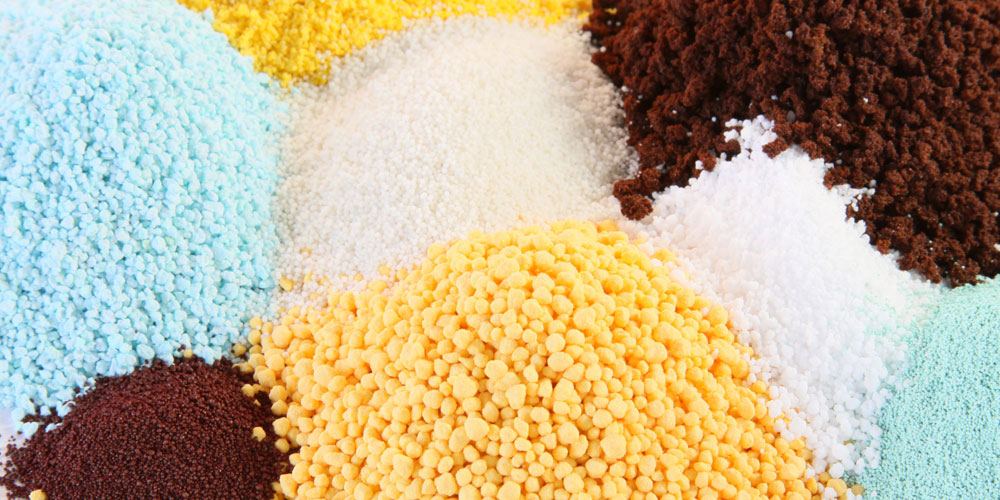
Material properties like crystal shape, particle size, and melting point dictate compression success. Excipients play specific roles. Microcrystalline cellulose offers plastic deformation. Lactose breaks easily to create new bonds. Starches bring elastic risks.

Tablet excipients and material properties

Tablet excipients and material properties

I look at the material properties first. They decide if the tablet is easy or hard to make.

The Impact of Material Properties

Impact of Material Properties

Crystal shape matters a lot. Fibrous particles hook together easily. They make strong bonds. Round particles have small surface areas. They make weak bonds. Needle-like crystals line up in one direction. This causes the tablet to split.

Particle size also changes the outcome. Small particles have more surface area. They make harder tablets. A wide size distribution is good. Small powders fill the gaps between big powders. But a very big size difference causes separation.

Melting points are also key. Low-melting drugs melt slightly under high pressure. They form bridges but stick to the machine.

Choosing the Right Excipients

Choosing the Right Excipients

I rely on excipients to fix bad powder. Microcrystalline cellulose is my favorite. It changes shape well and forms many hydrogen bonds. But too much pressure makes it bounce back and crack.

Lactose is a brittle excipient. It breaks and makes clean surfaces for bonding. Starch is an elastic excipient. It bounces back a lot. This causes soft or broken tablets. Super disintegrants work well. But they absorb water fast. They can break weak tablets apart too early.

Excipient Feature Effect on Tablet Common Example
High Plasticity Makes strong bonds Microcrystalline Cellulose
High Brittleness Breaks to form new surfaces Lactose
High Elasticity Can cause cracking Pregelatinized Starch

3.Why Do Moisture Levels and Machine Settings Cause Formulation Failures?

Wet powder sticks to punches instantly. Fast machines make very soft tablets. You must control water and tablet press machine speed to save your product from failing.

Moisture acts as a liquid bridge and plasticizer. You need 1.5% to 3% water for good tablets. Machine settings like main pressure, dwell time, and pre-compression rollers also change how particles bond and release trapped air.

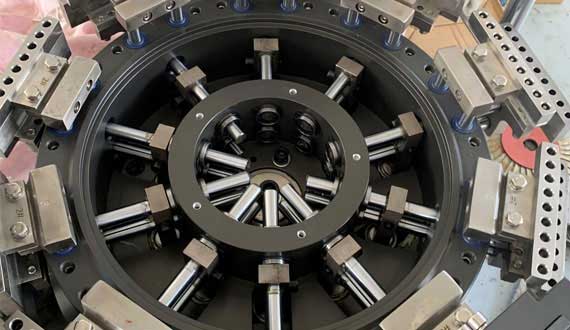
Tablet press machine tooling anti rust

AIPAKs rotary tablet press machine

I check moisture levels on every single batch. Water is a secret tool for tablet compression.

The Role of Moisture

Role of Moisture

Water forms liquid bridges between particles. This lowers surface energy. It helps particles pack tightly. Water also acts as a hydrogen bond medium. It makes cellulose and starch bind better.

Water acts as a plasticizer too. It lowers the glass transition temperature of powders. It turns elastic materials into plastic materials. I always aim for 1.5% to 3% moisture. Too dry means high static and elastic bounce. Too wet means the powder sticks to the punch.

Machine Parameters

Machine Parameters

I adjust the tablet press carefully. Main pressure is the biggest factor. Low pressure makes soft tablets. High pressure hardens plastic materials. But high pressure makes elastic materials explode and crack. Brittle materials hit a limit where more pressure does nothing.

Machine Parameters-1

Time is also important. Slow machine speeds give powder time to flow and let air escape. Fast speeds cause elastic bounce and soft tablets. I always use pre-compression. The pre-compression roller pushes air out early. This stops tablets from splitting at the top.

Machine Setting Low Setting Result High Setting Result
Main Pressure Soft tablets Cracking or capping
Machine Speed Better bonding Elastic bounce
Pre-compression Trapped air Air escapes early

4.How Do You Fix Common Tablet Defects Like Capping and Sticking?

Capping and sticking stop production lines. You miss deadlines and waste expensive materials. You can fix these defects by adjusting your lubricants and pressure settings.

Common defects include capping, sticking, and low hardness. You can fix capping by adding pre-compression or slowing the machine. You fix sticking by controlling humidity or adding magnesium stearate. You fix low hardness by increasing pressure or reducing your mixing time.

Troubleshooting tablet defects capping sticking

Troubleshooting tablet defects capping sticking

I face tablet defects often. But I know how to find the root cause quickly.

The Danger of Over-Lubrication

Danger of Over-Lubrication

Lubricants are tricky. I use magnesium stearate. The normal amount is 0.25% to 1.0%. More than this makes the tablet very soft. Mixing time is very critical.

I once mixed a batch for 30 minutes. The tablets fell apart. Over-mixing coats the particles with a wax layer. This blocks hydrogen bonds and Van der Waals forces. You must mix for a short time.

Equipment and Environment

Sticky ibuprofen tablet powder on punch

Punch tools wear out over time. Scratches on the punch make it hard to push the tablet out. This pulls the tablet apart and causes cracking. Deep concave punches also cause problems.

The edges get less pressure than the center. This leads to top cracking. The room humidity also matters. High humidity makes the powder wet. The powder expands and sticks to the punch.

Troubleshooting Guide

Troubleshooting Guide

I use a simple system to fix problems. Look at the table below.

Defect Name Main Cause Quick Solution
Low Hardness Low pressure or over-mixing Increase pressure or mix less
Capping Elastic bounce or trapped air Add pre-compression or slow down
Sticking High moisture or low melting point Control room humidity
Slow Disintegration Too much pressure on plastic material Lower pressure or add disintegrant

Conclusion

Tablet compression requires balancing material properties, moisture, and machine settings. You can create perfect tablets every time by understanding mechanical forces and fixing common defects carefully.Stop guessing why your tablets are capping or sticking. Theoretical physics is the key to solving real-world production headaches. Click here to request a Free Compaction Profile Audit and let AIPAK’s experts optimize your formulation for high-speed success!

Don't forget to share this post!

Tablet Press Machine Related Posts

Tablet Press Machine Related Videos

Why you should focus on high speed rotary tablet press machine?

20 Reasons You Need To Stop Stressing About Tablet Press Machine

10 Advanced Single Punch Tablet Press Machine Techniques You Should Know

Do you know How the Military outdoor usually taken compressed bsicuit made?

How tablets made by the tablet press machine

Everything You Need to Know About rotary tablet press machine

CONTACT US

Tell us your raw material and project budget to get quotations within 24 hours.

WhatsApp Us: +86 181 6426 8586

Invalid Email
Invalid Number
Scroll to Top