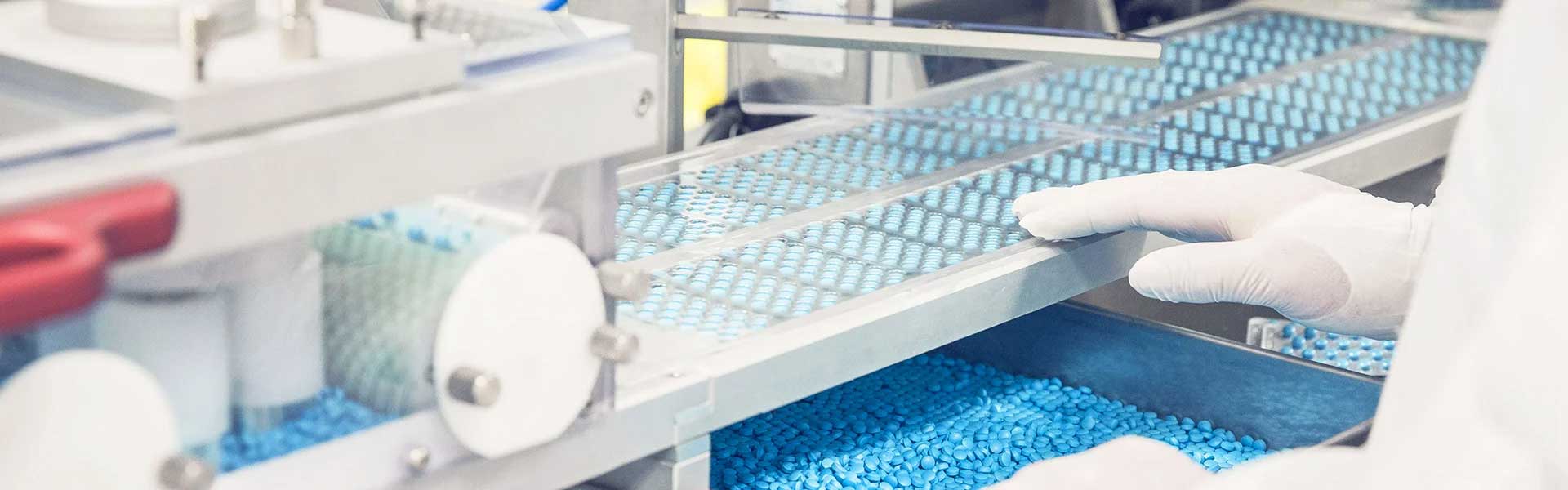
Tablet Tooling Selection Criteria for Cohesive and Abrasive Formulations
Executing continuous, high-speed solid dosage compression requires matching the specific rheological and chemical traits of a formulation with precise metallurgical profiles and mechanical parameters.
Volatile active pharmaceutical ingredients (APIs)—ranging from abrasive minerals to low-melting organics and corrosive organic acids—frequently bypass standard compaction thresholds, triggering catastrophic tableting defects such as capping, picking, and rapid die wear.

Tablet compression problems capping sticking
This technical engineering reference manual bypasses abstract formulation theories to provide a direct, operational matrix. By evaluating the kinetic interactions between high-chrome alloy steels, physical vapor deposition (PVD) anti-stick coatings, and dual-compression dwell times, packaging and production managers can systematically stabilize their tableting lines when handling difficult material structures.
1.How to handle acidic powders that ruin your tooling?
Compressing highly acidic, crystalline solid dosage forms such as Ascorbic Acid or Acetylsalicylic Acid (Aspirin) under standard conditions accelerates chemical pitting and galvanic corrosion across the punch surfaces.
When atmospheric moisture levels fluctuate, these hygroscopic materials liquefy locally, reacting with low-alloy carbon steels to form microscopic oxidation pits that ruin logo clarity and distort tablet edges.
Corroded tablet press punches acidic powder
To isolate the steel substrate from acidic decay, production lines must upgrade to high-chromium matrix tool steels paired with a specialized carbon-based anti-corrosion layer. This metallurgical modification provides high resistance to localized organic acid corrosion.
Concurrently, facility dehumidification must maintain a strict ambient humidity baseline below 45% RH to suppress moisture activation, ensuring total tool security during extended manufacturing campaigns.
You must think about the metal and the room air at the same time. I break down the solution into two parts. You can see the details in this table.
| Problem Factor | Tooling Solution | Process Solution |
| Mild Acid (Vitamin C) | High-chrome steel + mirror polish | Keep humidity under 45% |
| Strong Acid (Aspirin) | Corrosion-resistant alloy + carbon coating | Use wet granulation, do not use direct compression |
| Tool Wear | Hardened punch tips | Sift out fine dust, add extra magnesium stearate |
You must remove super fine powder from your mix. Fine powder sticks to the metal and holds the acid against the punch. You also need to add a good lubricant like magnesium stearate. This creates a safe layer between the powder and the tool.
2.Why do low-melting powders stick to your punches?
Low-melting point pharmaceuticals, prominently exemplified by Ibuprofen, introduce intense adhesive defects driven by friction-induced shear sintering during high-speed rotary compression.
As the punches repeatedly strike the die cavity at high velocities, mechanical friction elevates the surface temperature of the punch tips beyond the low melting threshold (75℃ - 78℃) of the organic particles. This localized thermal energy causes the API to undergo a partial phase transition, transforming into a viscous state that directly adheres to the punch engravings.
Mitigating this picking behavior demands a synchronized counter-strategy: tool faces must be finished to a mirror-polished standard and bonded with an anti-stick physical vapor deposition (PVD) coating to reduce surface energy.
Mechanically, reducing the turret rotation velocity extends the dwell time while lowering frictional energy, combined with dedicated turret cooling arrays to maintain the tool temperatures safely below the formulation's sintering limit.
Sticky ibuprofen tablet powder on punch
I spent many nights cleaning sticky powder off fast tablet press machines. Ibuprofen is the worst powder for this. It melts at a low temperature.
When the tablet press machine runs fast, the metal parts rub together. This makes heat. The heat melts the ibuprofen. The powder sticks to the punch face. The tablet loses its top layer when the punch pulls away.
I learned to attack the heat and the metal surface. You cannot use standard punches for these drugs. You must change your setup. I use a simple system to stop the sticking.
| Focus Area | My Action Plan | Why It Works |
| Tool Surface | Mirror polish + anti-stick coating | The powder cannot grab the smooth metal. |
| Logo Design | Shallow letters + round edges | Deep letters trap powder. Round edges stay clean. |
| Machine Speed | Run the press slower | Slower speed means less friction and less heat. |
| Temperature | Cool the turret | A cold turret stops the powder from melting. |
You also need to watch out for static electricity. Dry powder rubs together and makes static. The static pulls the powder to the metal. You can add a static elimination step to your process. This small change makes a big difference.
3.What is the best way to stop tablets from capping?
Brittle powders bounce back after you press them. The tops pop off, and the tablets fail the hardness test. You need to change your pressure settings today.
Fix capping by using a pre-compression and main compression process. This reduces the shock to the powder. Slow down the tablet press machine to give the powder time to form. Never use direct compression for brittle powders; mix them with good binders or use light granulation.
Tablet capping brittle powder compression
Capping is a terrible problem. I once made a batch of Abiraterone tablets. They looked fine on the machine. But they split in half when I dropped them in the testing bottle. The powder was too brittle. It acted like a spring. When the punch lifted up, the tablet expanded and broke.
You cannot force brittle powder to stay together with just high pressure. More pressure often makes the capping worse. You need to train the powder to stay flat. You do this with time and smart pressure.
| Action | How to do it | The Result |
| Two-Step Pressing | Turn on pre-compression | Squeezes air out slowly before the big hit. |
| Tool Choice | Use high-toughness steel punches | Stops the punch edges from breaking under stress. |
| Speed Control | Give it more dwell time | The powder gets time to lock its particles together. |
| Formulation | Add binders, use granulation | Wet granules hold together better than dry dust. |
You must make sure your punch faces are perfectly flat. A bent punch will push unevenly. This creates weak spots in the tablet. Always check your tools before you press brittle materials.
4.How do you press oily extracts into solid tablets?
Oil makes powders soft. The tablets fall apart, and the oil makes the dies dirty. You must lock the oil inside before you press the powder.
Press oily powders by mixing them with strong absorbents first. Control the oil ratio strictly. Use dry granulation to lock the oil inside the granules. For your tooling, choose a dense, oil-resistant coating to stop oil from sticking to the metal and ruining the next batch.
Oily herbal extract powder tablet press
I work with many herbal medicines. Things like Ginkgo extract and fish oil are very hard to press. The oil acts like a bad glue. It keeps the powder particles away from each other. The tablets come out too soft. Then the oil leaks out and covers the machine parts. The next tablets get dirty spots on them.
I found that you must trap the oil before it touches the machine. You cannot just pour oily powder into the hopper. You need a clear plan for the powder preparation and the tools.
| Material Type | Preparation Step | Tooling Requirement |
| Liquid Oil (Fish Oil) | Mix with absorbent powder | Oil-resistant composite coating |
| Herbal Extract | Dry granulation to lock moisture | High-grade mirror polish |
| High Sugar/Sticky | Strict moisture control in room | Anti-stick + anti-corrosion layer |
You must watch the water content in herbal extracts. They pull water from the air very fast. Water and oil together will stop your machine in ten minutes. I always use a special room with dry air when I run these products. I also clean the dies every hour.
5.How to protect your dies from hard and abrasive powders?
Hard powders like calcium carbonate scratch your dies. The holes get bigger, and your tablet weights go crazy. You need tougher metal to fight this wear.
Protect your dies from abrasive powders by using high-hardness alloy steel with wear-resistant coatings. Sift the powder to remove very hard, big pieces. Add a good glidant to make the powder flow better. This reduces friction, stops tool wear, and keeps your tablet weights exactly the same.
High-hardness alloy steel tablet press machine with wear-resistant coatings
I learned a hard lesson with calcium carbonate. It feels like soft white powder. But under a microscope, it looks like sharp rocks. I ran a standard machine for one week with this powder.
Abrasive material calcium carbonate powder
The powder scratched the inside of the die holes. The holes got wider. The machine filled the wider holes with more powder. My tablet weights went up, and I failed the quality check.
You must fight hard powder with harder metal. You also need to make the powder slippery. I use a strict rule book for abrasive materials.
| Wear Problem | The Fix | Why It Helps |
| Die Hole Gets Big | Use high-hardness alloy dies | The metal is harder than the powder rocks. |
| Punch Tip Scratches | Add wear-resistant coating | Protects the fine details and logos. |
| Bad Powder Flow | Add a glidant | Makes the powder slide, not scratch. |
| Big Hard Rocks | Screen the powder first | Removes the biggest rocks before they hit the tools. |
Because un-milled mineral formulations possess sharp, anisotropic crystalline geometries that act as intense abrasive bodies under compression, standard tool steel suffers rapid abrasive wear.
To control this mechanical degradation and prevent catastrophic tool displacement, the hardness of the die wall must strictly surpass the solid particulate strain thresholds in compliance with ASTM G65 Standard Test Method for Measuring Abrasion Using the Dry Sand/Rubber Wheel Apparatus.Upgrading to specialized tungsten carbide or premium hard vanadium alloy dies completely isolates the tool from micro-scratch formation, stabilizing fill weight consistency across millions of cycles.
You must check your die sizes often. Do not wait for the tablet weights to change. If you catch the wear early, you can save the batch. Always polish the die walls to keep the friction very low.
6.How to press effervescent tablets without moisture problems?
Wet air ruins effervescent powders fast. The powder gets sticky and clogs the tablet press machine. You must block out the water to keep the press running.
Press highly hygroscopic powders by building a closed, dry room. Keep the humidity very low. Use a closed feeding system to hide the powder from the air. Use punches with anti-corrosion coatings to stop rust if the powder does pull water from the air.
AIPAK’s effervescent rotary tablet press machine
Effervescent tablets are the most sensitive products I make. They react with normal air. I once opened a drum of effervescent powder in a normal room. In five minutes, the powder turned into a sticky paste. It jammed the feeding tube and stuck to every punch.
Closed dry room for highly hygroscopic powders
You cannot beat this problem on the machine. You must beat it in the room. You have to build a shield around your powder from the start to the end.
| Protection Level | Action | Equipment Needed |
| Room Air | Build an independent dry room | Heavy-duty dehumidifiers |
| Material Transfer | Use closed feeding | Sealed pipes and hoppers |
| Machine Parts | Stop rust and sticking | Anti-corrosion coated punches |
| Running Time | Run fast and continuous | Do not let powder sit in the hopper |
You need to keep the room cool and very dry. If the machine stops, you must empty the hopper right away. Do not leave this powder in the machine overnight. It will turn into a hard rock and destroy your moving parts the next morning.
Conclusion
Are persistent capping defects or rapid tool wear causing costly downtime on your production floor? We invite you to submit your complex formulation parameters to Request a Free Tablet Compressibility Audit, allowing AIPAK’s metallurgical specialists to engineer custom-coated, wear-resistant punch geometries tailored to your toughest APIs today.
FAQ
References
1.ASTM G65 - Standard Test Method for Measuring Abrasion Using the Dry Sand/Rubber Wheel Apparatus —— ASTM International Standards
2.Metallurgical Degradation and Electrochemical Corrosion Dynamics of Tool Steels in Acidic Pharmaceutical Processing —— ScienceDirect / Wear & Material Engineering Journal
3.Friction-Induced Shear Sintering and Thermal Phase Transitions of Low-Melting Active Ingredients During Rotary Compaction —— International Journal of Pharmaceutics
4.A Multi-Matrix Evaluation of Tooling Coatings (TiN, DLC, CrN) for Suppressing Adhesive and Abrasive Wear in Solid Dosage Lines —— Journal of Pharmaceutical Engineering
5.Granular Stress Profiles and Strain Energy Relaxation: Mitigating Capping in Brittle API Matrices —— Powder Technology Whitepapers
Don't Forget To Share Article!
Avril
Senior Pharmaceutical Equipment Specialist & Project Consultant at AIPAK
Avril brings deep, multi-year expertise to the pharmaceutical machinery sector, specializing in solid dosage production lines and complex cleanroom layout engineering. As a veteran project consultant at AIPAK, she is known for her hands-on capability to match technical machine parameters with strict global compliance standards. Passionate about driving real business results, Bessie works closely with international pharma clients to solve structural bottlenecks—such as facility footprint constraints and material flow optimization—ensuring they receive tailored, highly efficient one-stop turnkey solutions for their production goals.
Tablet Press Machine Related Posts
Tablet Press Machine Related Products
Tablet Press Machine Related Videos
CONTACT US
Tell us your raw material and project budget to get quotations within 24 hours.
WhatsApp Us: +86 181 6426 8586

Want the best price & newest pharmaceutical machinery buying guide,tips and trends sent straightly to your box?Sign up for AIPAK’s monthly newsletter,we’re free for your consultation and Offer you the most suitable solutions!
The Buyer's Guide
- Capsule Filling Buyer's Guide
- Blister Packaging Buyer's Guide
- Tablet Counting Buyer's Guide
- Tube Filling Buyer's Guide
- Cartoning Buyer's Guide
- Gummy Making Buyer's Guide
- CO2 Extraction Buyer's Guide
- Empty Capsules Buyer's Guide
- Suppository Filling Buyer's Guide
- Tablet Coating Buyer's Guide
- Tablet Press Buyer's Guide
- Softgel Encapsulation Buyer's Guide
Most Popular
- 7 Importance Of Pharmaceutical Packaging In Different Applications You Must Know
- 6 Advantages You Must Know About Tablet Counting Machine
- 8 Advantages of Blister Packaging You Must Know
- 6 Critical Applications of Automatic Capsule Filling Machine
- 6 Stations You must Know to Improve the Filling Quality of Automatic Capsule Filling Machine