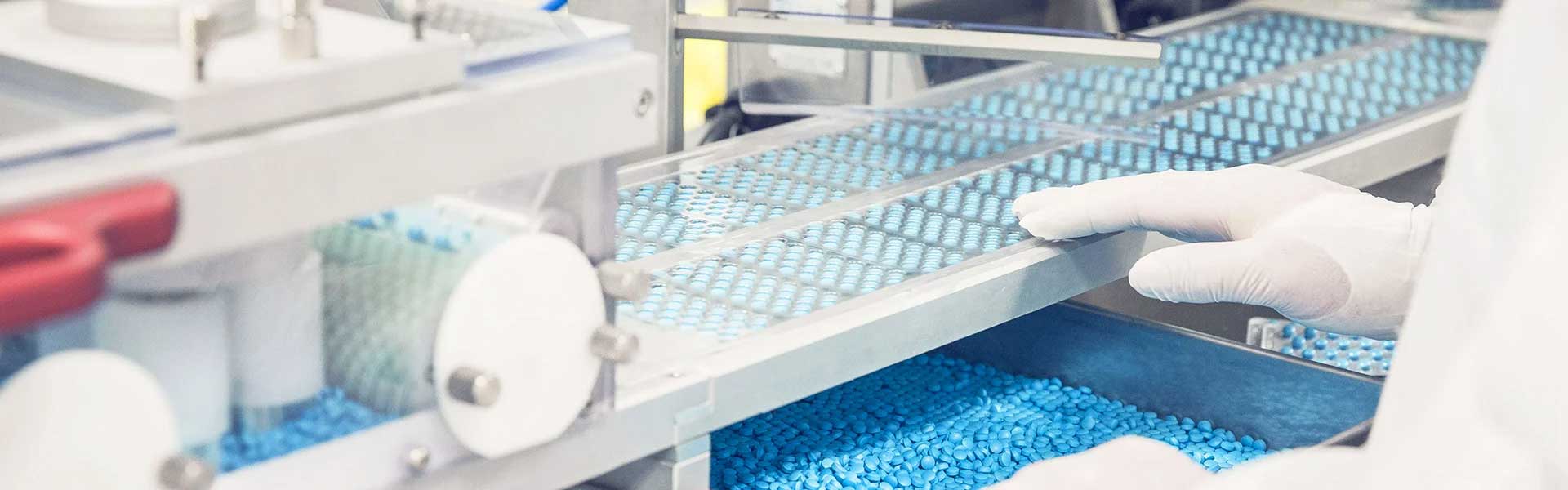
Overcoming Solid Dosage Challenges: Optimizing Granulation, Tableting, and Coating for Superior Product Integrity

Solid dosage manufacturing often faces issues like poor mixing, weak tablets, or uneven coating. These problems waste time and money. We use precise control methods to solve these challenges completely.

Optimizing solid dosage manufacturing requires strict control over raw material properties, precise granulation parameters, and accurate tableting and coating settings.

By managing particle size, moisture, and machine speeds, you ensure uniform mixing, stable drug release, and high-quality final products that meet strict pharmaceutical standards.

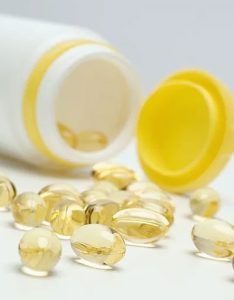
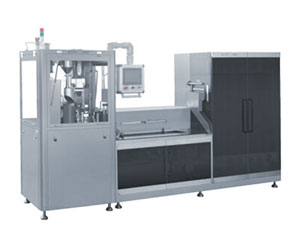
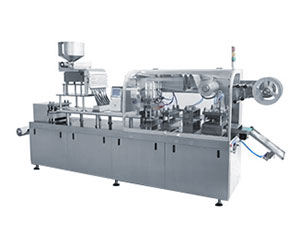
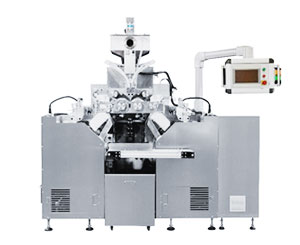
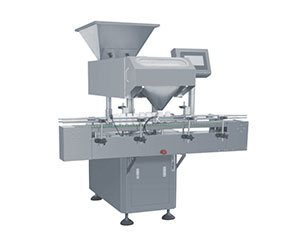
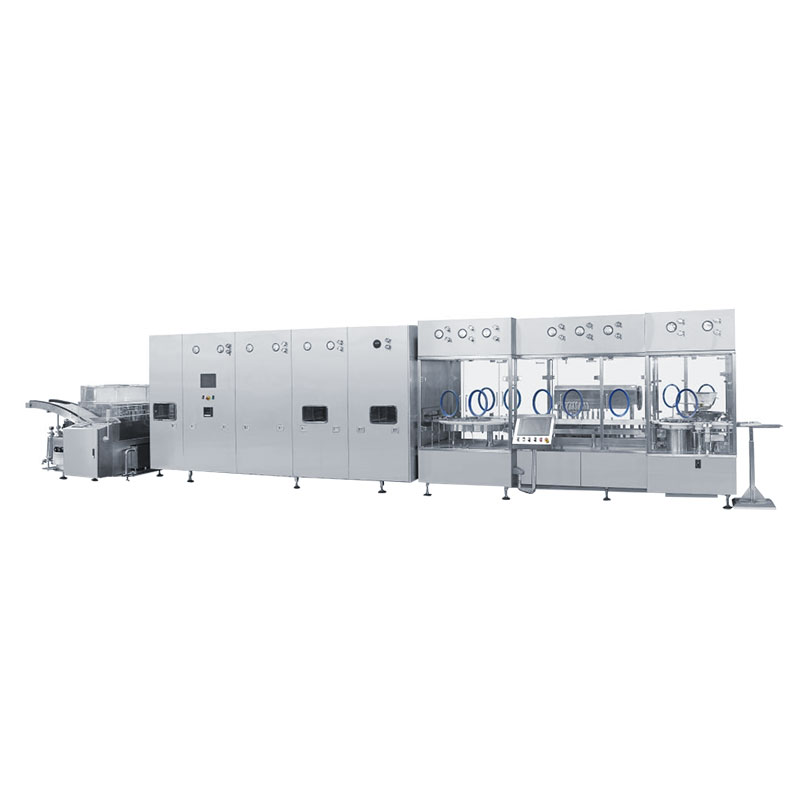
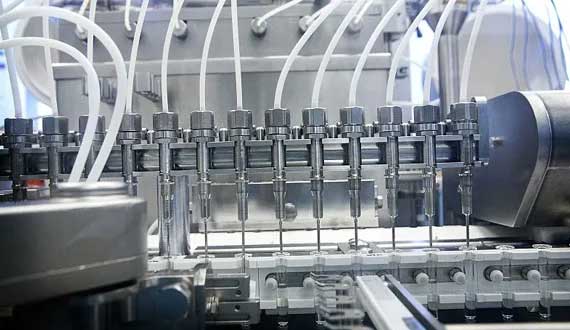
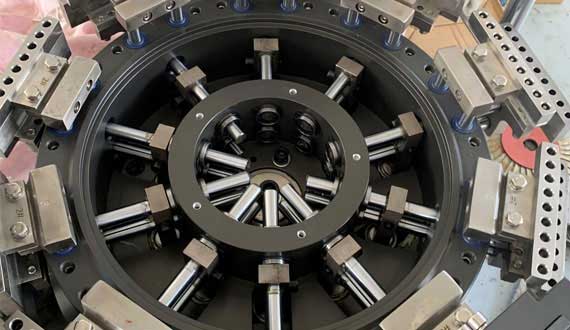
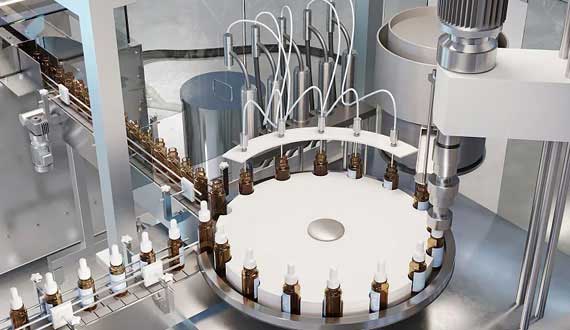
Solid dosage manufacturing equipment

Solid dosage manufacturing equipment

When I first started helping clients build pharmaceutical lines 15 years ago, I saw many good formulas fail during production. Bad machine settings can ruin the best recipes. You must understand the core steps to stop these failures. Let us look at the details.

1.What Are the Key Control Points in Solid Dosage Manufacturing?

Do your tablets break easily or release drugs at the wrong time? Ignoring material traits causes this. You must control every step to keep your product safe and effective.

The key control points include raw material physical traits, formula design, particle structure, and coating process.Controlling particle size, moisture, and binder ratios ensures even mixing and strong tablets. Proper coating controls dictate exactly when and where the drug dissolves in the body.

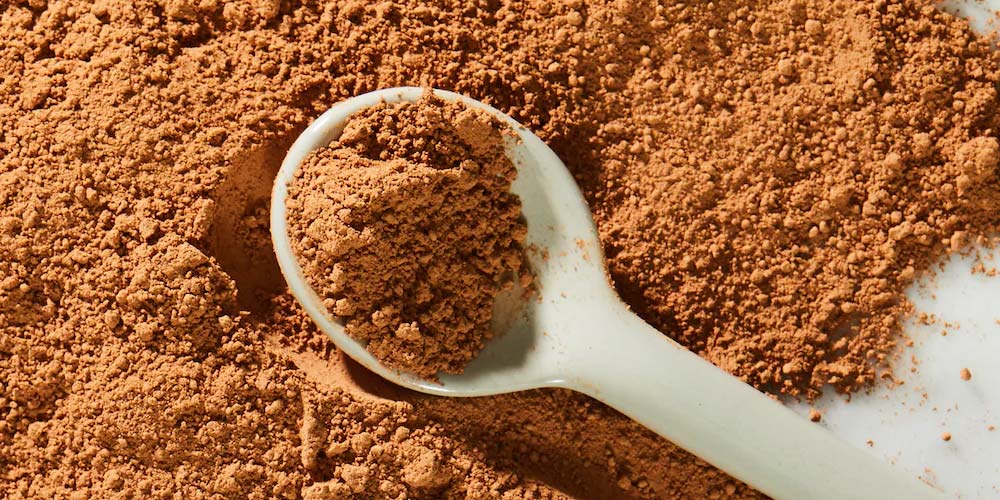
Pharmaceutical raw material testing

Pharmaceutical raw material testing

I always tell my clients that solid dosage production is a highly connected system. If one step fails, the final product fails. We must look closely at the Active Pharmaceutical Ingredient (API) and the excipients.

Pharmaceutical Ingredient

The API's particle size, crystal form, and flow speed directly change how well the powder mixes. If the powder is too fine, it creates dust and mixes poorly.

This changes the drug dose in each tablet. At our company, we help set up the whole line to prevent this.We also use the Quality by Design rule for our formulas.

Formula Design Rules

Formula Type Key Materials Control Goal
Extended-Release HPMC, EC Smooth drug release over 12 to 24 hours
Enteric-Coated CAP, Eudragit L/S Stop dissolving in the stomach, dissolve in the intestine

Wet granulation needs exact liquid ratios and mixing speeds. This avoids hard or broken tablets. Dry granulation needs correct roller pressure to stop powder waste.

powder waste

Finally, the coating process needs perfect spray speeds and drying heat. This ensures the film is even and works correctly. We build machines that control all these points perfectly.

2.How Do We Optimize Raw Material Pretreatment and Mixing?

Clumpy or wet powders ruin your production line. This causes machine jams and bad product batches. Proper pretreatment and mixing steps keep your materials flowing smoothly and evenly.

Raw material pretreatment involves particle size control, crystal form checks, and moisture protection. We use laser tests for size and XRD for crystal forms.

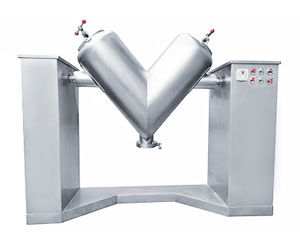
We mix materials using V-blenders or 3D mixers. We test the mixture to ensure the relative standard deviation stays below 3%.

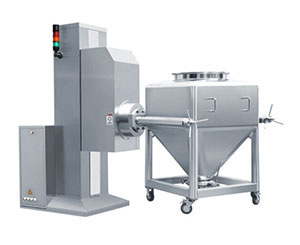
Model-CH-VI-Forced-Type-Bin-Mixer

Pharmaceutical powder mixing machine

Before any material enters our granulators, we must prepare it correctly. When raw materials arrive, we check the particle size with a laser tool. If the size is wrong, we use vibrating screens to fix it. For powders that stick together, I add 0.1% dry silica before milling.

dry silica before milling

This stops clumps and makes milling faster. We also check the crystal form using X-ray tests. Some materials change form easily. We keep them in cool, dry rooms.

Material Handling Steps

Material Issue Solution Time Limit
High Moisture Double PE bags, cool room Use immediately after opening
Poor Flow Add 0.2% talc or 0.5% silica Mix under 5 minutes

Tabletop Bin Blender

AIPAKs bin blender machine

For mixing, we put the API and main fillers into a V-blender. We fill the blender to 70% and run it at 15 rpm. We mix for 5 minutes.

Then, we add the other parts and mix for 10 more minutes. We take samples from 11 different spots. We check these samples to see if the mix is even. If the mix fails the test, we add 5 more minutes of mixing time.

3.What Are the Best Practices for Granulation Processes?

Weak granules cause dust and bad tablet weights. This leads to failed inspections. Using the right wet or dry granulation methods creates strong, uniform particles for perfect tableting.

For wet granulation, control the binder liquid amount between 5% and 8%, and keep drying temperatures under 65℃. For dry granulation, set roller pressure between 6 and 10 MPa. Ensure the final moisture content is below 2.0% and the particle size is even before tableting.

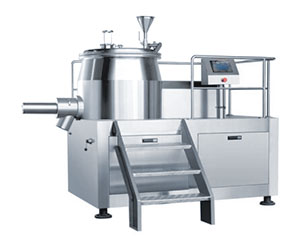
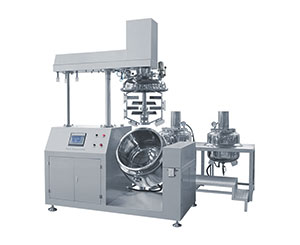
High Shear Mixer Granulator

High shear mixer granulator

Granulation turns fine powder into larger, free-flowing particles. I have seen many companies struggle here. We use two main methods: wet and dry granulation. In wet granulation, we put the mixed powder into a high shear mixer.

high shear mixer

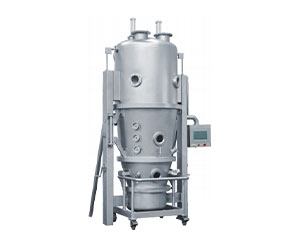
We add 5% to 8% liquid binder slowly over 3 to 4 minutes. We keep the main blade at 250 rpm and the cutter at 1000 rpm. After mixing, we test the wet granules by hand. They should break easily when pressed. Then, we dry them in a fluid bed dryer.

Granulation Parameters

Method Key Settings Target Outcome
Wet Granulation Inlet heat 55-65℃, Exhaust <40℃ Moisture < 2.0%
Dry Granulation Roller pressure 6-10 MPa Flakes 2-5 mm thick

For dry granulation, we use a roller compactor. We keep the room cool and dry. The roller speed is 2 to 5 rpm. We crush the flakes through a 1.0 mm screen.

powder flows poorly

If the powder flows poorly, we add a little talc. We let the granules sit for 2 hours before we press them into tablets. This resting time makes the next steps much easier.

4.How to Achieve Perfect Tableting and Coating Results?

Uneven tablet weights and peeling coats hurt your brand. Patients might get the wrong dose. Precise tablet press settings and careful coating controls fix these costly errors completely.

Before tableting, add 0.5% lubricant and mix for 3 minutes. Set the press pressure between 8 and 15 kN. For coating, filter the liquid, keep spray rates at 1.5 to 4.0 g/min, and adjust the pan speed. This ensures exact tablet weight and a smooth film.

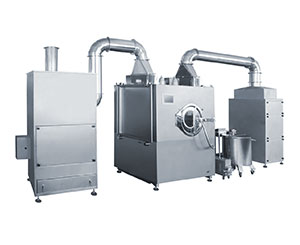
Automatic tablet coating machine

Automatic tablet coating machine

Tableting and coating give the final shape to your product. Before we press, we must let the granules match the room temperature. I always add 0.5% magnesium stearate as a lubricant. We mix it slowly for 3 minutes in a closed bin blender.

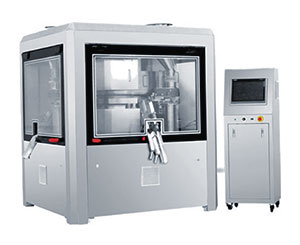
During the first press test on our rotary tablet press, we set the pressure between 8 and 15 kN. We test the weight, hardness, and thickness. The thickness must stay within a ±0.3 mm range.

Coating Process Control

Coating Type Spray Rate Inlet Temperature
Extended-Release 1.5 - 4.0 g/min 45 - 60℃
Enteric-Coated 1.5 - 4.0 g/min 35 - 50℃

Coating adds function or color. We check the spray guns, air systems, and pan speed first. We filter the coating liquid through a 200-mesh screen to stop clogs.

screen to stop clogs

The liquid thickness must be between 50 and 150 cps. We dry the tablets carefully so the final moisture stays under 2.0%. This makes the tablets look great and work perfectly every time.

5.What Quality Control Measures Ensure Solid Dosage Integrity?

Bad materials or process mistakes lead to product recalls. Recalls destroy trust and cost millions. Strict quality control at every stage stops bad products before they leave the factory.

Quality control starts with strict supplier checks and raw material tests for size, moisture, and purity. During production, we monitor mixing limits, granulation moisture, and tableting hardness. Final products undergo tests for dissolution and microbes. Failed items get red tags and go into review immediately.

Pharmaceutical quality control lab

Pharmaceutical quality control lab

Quality control is the heart of pharmaceutical manufacturing. We do not just check the final product. We check everything. First, we audit all material suppliers. They must pass our strict rules every three years. When materials arrive, we test them for purity, moisture, and particle size. We put materials that need special care into double bags with red tags.

Quality Control Checkpoints

Stage Key Tests Action on Failure
Raw Materials Purity, Size, Moisture Red tag, isolate immediately
In-Process Mix evenness, Tablet weight Stop machine, adjust settings
Final Product Dissolve rate, Microbe limit Reject batch, start investigation

During the process, we watch the machine settings closely. We check the mixing evenness before granulation. We check the tablet weight and hardness every 15 minutes during pressing.

settings closely

Finally, we test the finished tablets. We check how fast they dissolve. We make sure there are no bad microbes. We also keep samples to test how long they stay good on the shelf. This full process keeps the medicine safe.

Conclusion

Solid dosage manufacturing needs strict control at every step. By managing materials, mixing, granulation, tableting, and coating carefully, you ensure safe, high-quality products that meet all medical standards. Experiencing tablet hardness issues or inconsistent coating on your production line? Don't let process deviations compromise your quality. Click here to consult AIPAK’s engineering team for a Free Solid Dosage Process Audit and a customized turnkey solution today!

Don't forget to share this post!

Tablet Press Machine Related Posts

Tablet Press Machine Related Videos

Why you should focus on high speed rotary tablet press machine?

20 Reasons You Need To Stop Stressing About Tablet Press Machine

10 Advanced Single Punch Tablet Press Machine Techniques You Should Know

Do you know How the Military outdoor usually taken compressed bsicuit made?

How tablets made by the tablet press machine

Everything You Need to Know About rotary tablet press machine

CONTACT US

Tell us your raw material and project budget to get quotations within 24 hours.

WhatsApp Us: +86 181 7101 8586

Invalid Email
Invalid Number
Scroll to Top