How Can You Effectively Solve Tablet Sticking and Picking in Pharmaceutical Production?

Sticking and picking are two of the most frustrating problems in tablet manufacturing. They destroy the look of your product and cause frequent, costly machine downtime.

Sticking happens when granules adhere to the punch face, while picking occurs when material fills the embossing or lettering. To solve this, you must control moisture between 1-3%, optimize particle size to reduce fines, use proper lubricants like magnesium stearate, and ensure your punch faces are polished and defect-free.

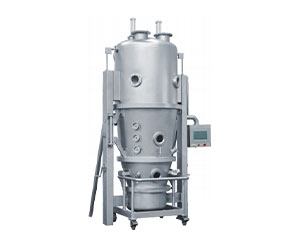
Tablet sticking and picking solution

Tablet sticking and picking solution

I have seen many production managers pull their hair out over these issues. You stop the machine, clean the punches, run for ten minutes, and the problem comes back. It feels like a never-ending battle. However, these defects are not random bad luck. They are usually caused by a specific combination of moisture, formula, and machine settings. In this guide, I will walk you through the practical steps to identify the root cause and fix it permanently.

1.Why Does Tablet Sticking Happen in the First Place?

You cannot fix a problem if you do not understand where it comes from. We need to look at the interaction between your powder and the machine tooling.

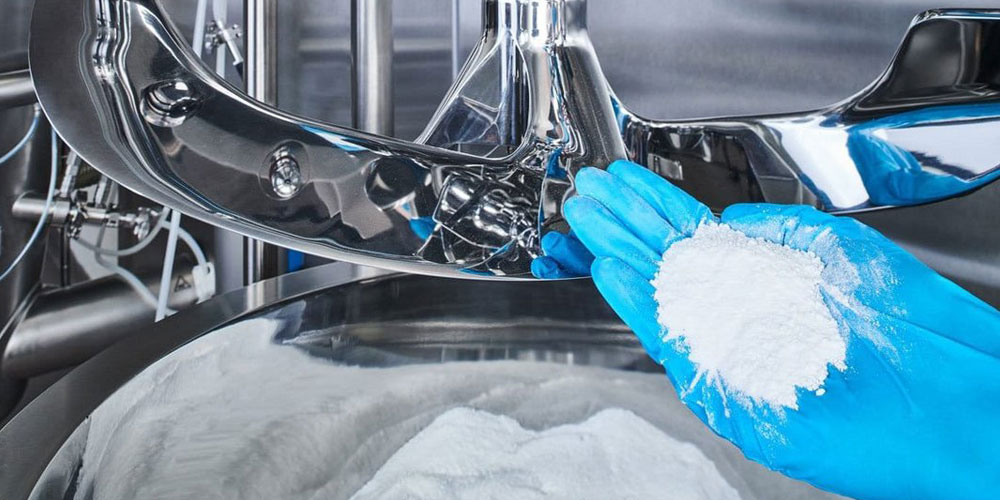
Sticking is essentially an adhesion problem where the force between the powder and the punch face is stronger than the internal strength of the tablet. This is often caused by high humidity, static electricity, or a formulation that is naturally too sticky.

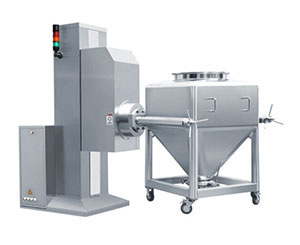
Causes of tablet sticking

Causes of tablet sticking

When we talk about sticking, we mean that a thin layer or small parts of the tablet surface get stuck to the punch. This leaves the tablet looking rough, uneven, or pitted. Picking is very similar, but it specifically happens within the letters or logos embossed on the tablet.

Based on my experience in the industry, the root cause usually falls into one of three categories: the material, the environment, or the tooling. If the adhesive force of the material to the metal is greater than the cohesive force of the tablet itself, sticking happens.

To help you understand this better, I have broken down the primary factors in the table below:

Factor Description Why it causes sticking
Moisture Too much water in the granules. Water acts as a glue. It creates capillary bridges between the powder and the steel punch face.
Melting Point Ingredients with low melting points (like Ibuprofen). Friction generates heat. If the drug melts slightly, it becomes a sticky paste on the punch
Static Electricity High static charge in the powder Static causes fine dust to jump and cling to the punch face before compression even happens
Binder Viscosity Using a binder that is too strong If the binder is too tacky, it will stick to everything, not just the other granules.

You need to act like a detective. Is the sticking happening on all stations or just one? If it is just one, it is a tooling issue. If it is all of them, it is likely your material or the room environment. Understanding this distinction is the first step to a solution.

2.How Can You Improve Materials and Formulas to Stop Sticking?

The raw material is usually the main culprit in these situations. A small adjustment to how you prepare your granules can often eliminate the problem entirely.

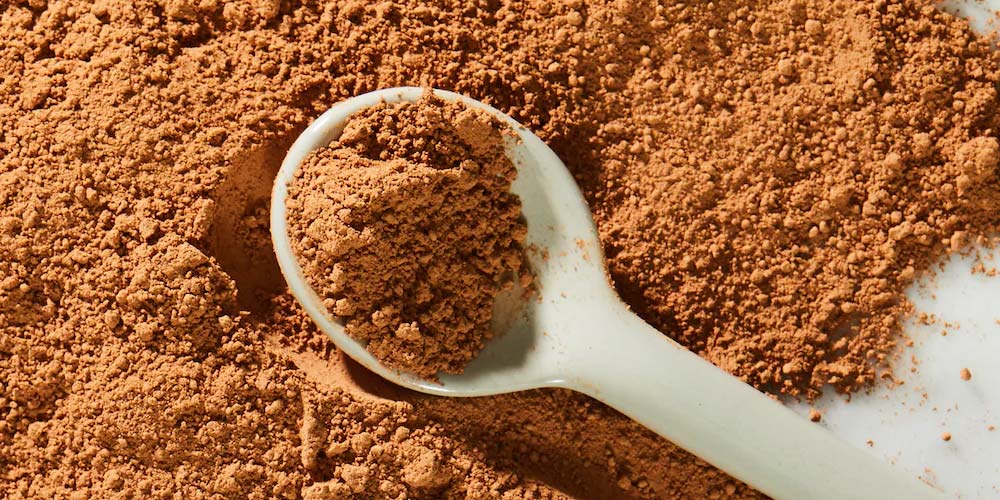
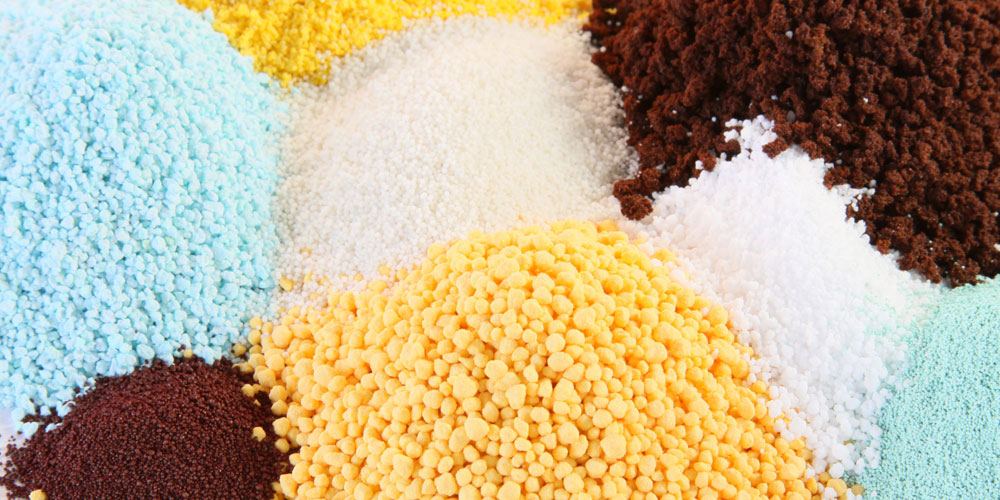
Strictly control granule moisture content and reduce the amount of fine powder in your mixture. You should also verify that your lubricant, such as magnesium stearate, is mixed correctly and used in the right amount to create a barrier between the tablet and the punch.

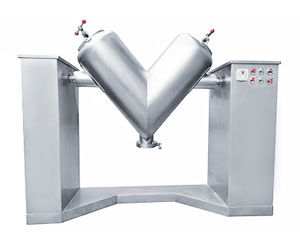
Material formulation adjustment

Material formulation adjustment

I recall a project where a client was trying to compress a herbal extract. It was a nightmare because the material was naturally hygroscopic—it loved to drink up water from the air. The moment we adjusted the moisture controls, the sticking stopped.

Here is a deep dive into how you can manipulate your materials to fix this:

Control Moisture and Humidity

Many pharmaceutical materials absorb water. If your production room is humid, your powder will become sticky.

Material Drying: You must dry your granules properly. Typically, you should aim for a moisture content between 1% and 3%. This varies by product, but it is a good rule of thumb. Use a fluid bed dryer or a tray dryer at 50-60°C until you reach the target level.

Room Humidity:Your production room needs to be dry. We recommend installing dehumidifiers to keep the relative humidity (RH) between 40% and 60%. If the air is too wet, the powder will become sticky before it even enters the machine.

Optimize Particle Size

If your mixture has too much "fines" (very small dust-like powder), sticking is almost guaranteed. Fine powder has a huge surface area and gets trapped in the microscopic scratches of the punch face.

Sieving:You need to check your particle distribution. Use a multi-stage sieving process. Remove the large chunks, but more importantly, use an 80-100 mesh sieve to limit the amount of fine dust.

Granulation:If you are using direct compression and getting sticking, you might need to switch to wet granulation to reduce dust.

Adjust the Formula

Sometimes ingredients react with each other to create sticky substances.

Change Excipients:If you are using starch or dextrin and having issues, try switching to Microcrystalline Cellulose (MCC). MCC has excellent binding properties but is "dry" and flows well.

Increase Lubricants:You might need more lubrication. Magnesium Stearate is the standard choice. It coats the granules and prevents them from sticking to the metal. A typical range is 0.3% to 1%. Be careful not to add too much, or your tablet will become too soft.

Add Flow Aids:Adding 0.1% to 0.5% colloidal silicon dioxide (like Aerosil) helps the powder flow like water and prevents fines from clumping together on the punch face.

3.What Are the Best Tricks for Fine-Tuning Compression Parameters?

Even perfect powder will stick if the machine settings are wrong. You need to find the "sweet spot" where the machine runs smoothly without overheating the product.

High compression pressure and fast turret speeds generate heat, which can melt ingredients and cause sticking. You should lower the main pressure slightly and reduce the running speed to give the air time to escape and keep the tooling cool.

Tablet press parameter adjustment

Tablet press parameter adjustment

When you are on the factory floor, the instinct is often to run the machine as fast as possible to meet quotas. But with sticky products, "slow and steady" often produces more tablets because you do not have to stop for cleaning.

Here is how you should adjust your machine parameters:

Adjust Pressure and Dwell Time

If you press the tablet too hard, you might force the material to stick to the metal. This is called "over-compaction."

Start with a lower pressure and gradually increase it until you reach the minimum hardness required. Do not go higher than necessary.

Use pre-compression. This is a lighter squeeze before the main compression. It removes air from the powder. If air is trapped, it can cause capping and sticking.

Slow Down the Machine

Speed creates friction. Friction creates heat. Heat causes sticking.

If you are running at 100 RPM and seeing sticking, try dropping to 60 or 80 RPM.

Slowing down increases "dwell time"—the amount of time the punch head is in contact with the roller. This allows the granules to bind together better rather than sticking to the punch.

Control the Temperature

Some materials, like ibuprofen or certain vitamins, have low melting points. As the machine runs, the punches get hot.

Monitor Heat: If the tablets are coming out hot, you are in the danger zone.

Cooling Systems: At AIPAK, we often advise using tablet presses equipped with air cooling or water cooling systems for the turntable. Keeping the temperature low prevents the material from becoming tacky.

Lubrication of the Machine: Ensure the punch guides are well lubricated. If the punches are dry in their guides, they generate excess friction heat which transfers directly to the tablet face.

4.How Crucial Is the Maintenance of Punches and Dies?

A dirty or scratched tool will always cause problems. Your tooling maintenance routine is just as important as the production run itself.

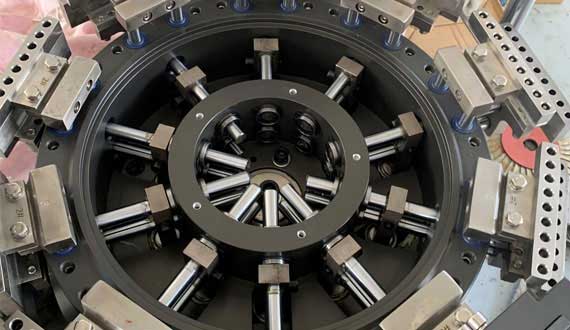
Micro-scratches on the punch face act like hooks that grab powder particles. To prevent sticking, you must inspect punches regularly for wear, polish them to a mirror finish, and remove any invisible residue using proper cleaning agents.

Punch and die maintenance

Punch and die maintenance

I cannot stress this enough: treat your punches like jewelry. I have visited factories where punches were thrown into a bucket together. This damages the tips and guarantees sticking issues.

Here is a structured approach to tooling maintenance:

Proper Cleaning

After a production run, a simple wipe is not enough. You need to remove the waxy film left by lubricants and binders.

Use dedicated mold cleaners or ultrasonic baths.

Do not use abrasive materials like sandpaper or steel wool to clean the punch faces. Use soft cotton cloths or nylon brushes.

Dry them immediately to prevent rust. Even a tiny spot of rust will cause sticking.

Inspection and Polishing

Over time, the mirror finish on the punch tip wears off. It becomes dull. A dull surface has more friction and holds onto powder.

Inspect the tips under a magnifying glass. Look for "J-hooks" on the edges or scratches in the center.

Regular polishing is mandatory. You can use a polishing kit with paste to restore the shine. If the damage is deep, throw the punch away. It is cheaper to buy a new punch than to waste batches of product.

Coatings and Steel Types

If you have a very difficult product that sticks no matter what you do, standard steel might not be enough.

Chrome Plating: Hard chrome plating provides a very smooth, hard surface that resists sticking.

Special Coatings: There are modern coatings like PVD (Physical Vapor Deposition) or Teflon-based coatings designed specifically for sticky products. They reduce the coefficient of friction significantly.

5.How Do You Select High-Quality Tablet Compression Equipment?

Good material and good settings cannot save you if the machine is bad. The right equipment makes your life much easier and ensures consistent quality.

Choose a tablet press that offers precise pressure control, pre-compression features, and integrated dust collection. High-quality machines from reputable manufacturers ensure stable operation and are compatible with advanced tooling options to handle difficult formulations.

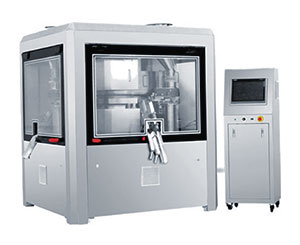
High quality tablet press machine

High quality tablet press machine

At AIPAK, we have spent over 10 years building machines that address these exact pain points. We know that in B2B manufacturing, reliability is everything. You do not want a machine that works well only on sunny days.

When selecting equipment to prevent sticking, look for these features:

Advanced Feeding Systems

A force feeder is essential. It uses paddles to push the powder into the die. A good feeder design ensures the powder is distributed evenly and helps prevent the separation of fines (which cause sticking). Our machines come with variable speed force feeders to match the flow characteristics of your specific powder.

Robust Control Systems

You need a machine that gives you real-time feedback.

Look for PLC controls that monitor the compression force on every single tablet.

If the force varies, it means the fill is uneven, which often leads to sticking. Our systems can auto-adjust or reject bad tablets to keep the line running.

GMP Compliant Design

GMP Compliant Design

The machine must be easy to clean. If it takes 4 hours to take the machine apart, your operators will not clean it as often as they should.

Open designs with smooth stainless steel surfaces allow for quick and thorough cleaning.

Efficient dust extraction nozzles are critical. They suck away the fine dust before it has a chance to settle on the punch faces and cause picking.

Customization Capabilities

Every product is different. We offer customization services where we can test your material and recommend the specific turret speed, feeder type, and tooling coating that will work for you. We do not just sell a machine; we sell a production solution.

Conclusion

To solve sticking and picking, you must attack the problem from all angles: control your moisture and fines, optimize your formula with the right lubricants, maintain your tooling perfectly, and use precise machine settings. If you are looking for reliable equipment that can handle even the most difficult formulations, contact us at AIPAK. We are here to help you build a smooth, efficient production line.

Don't forget to share this post!

Tablet Press Machine Related Posts

Tablet Press Machine Related Videos

Why you should focus on high speed rotary tablet press machine?

20 Reasons You Need To Stop Stressing About Tablet Press Machine

10 Advanced Single Punch Tablet Press Machine Techniques You Should Know

Do you know How the Military outdoor usually taken compressed bsicuit made?

How tablets made by the tablet press machine

Everything You Need to Know About rotary tablet press machine

CONTACT US

Tell us your raw material and project budget to get quotations within 24 hours.

WhatsApp Us: +86 156 0710 8630

Invalid Email
Invalid Number
Scroll to Top