
Vacuum Emulsifying Technology: Integrating High-Shear Homogenization for Advanced Skincare and Dermatological Cream Production
Manufacturing stable semi-solid topical formulations—specifically high-end dermatological creams and advanced skincare emulsions—demands rigid control over lipid phase integration and dynamic droplet size reduction.
Without optimized mechanical shearing parameters, standard mixing configurations compromise emulsification limits, leading to phase separation, volatile active ingredient degradation, and substandard tactile skin-feel.
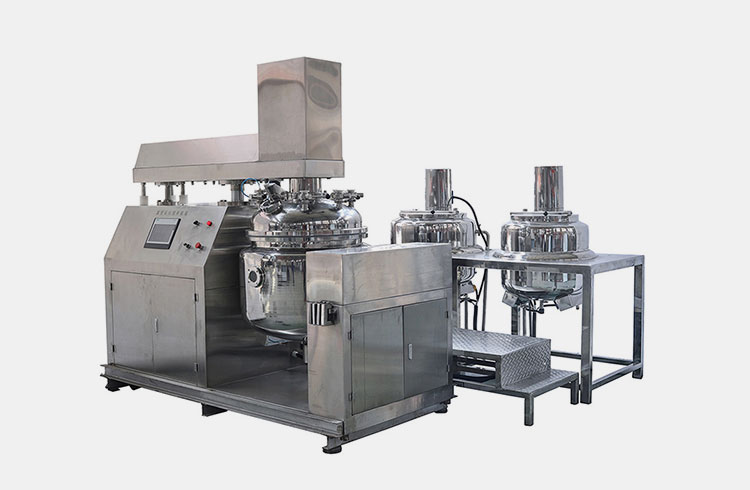
High-shear homogenization process
This technical processing guide establishes the engineering mechanics of industrial-grade vacuum emulsifying mixers, outlining how high-shear homogenization arrays break down liquid particulates below one micrometer to guarantee structural stability, absolute content uniformity, and cGMP compliance.
1.What are the basics of ointments and creams?
Are your customers complaining about greasy skin? Choosing the wrong base material causes this problem. You must understand the difference between ointments and creams to fix it.
Ointments are mostly oil. They trap water in the skin and treat very dry skin. Creams are a mix of oil and water. They feel light and do not block pores. Both forms need careful mixing to stay stable.
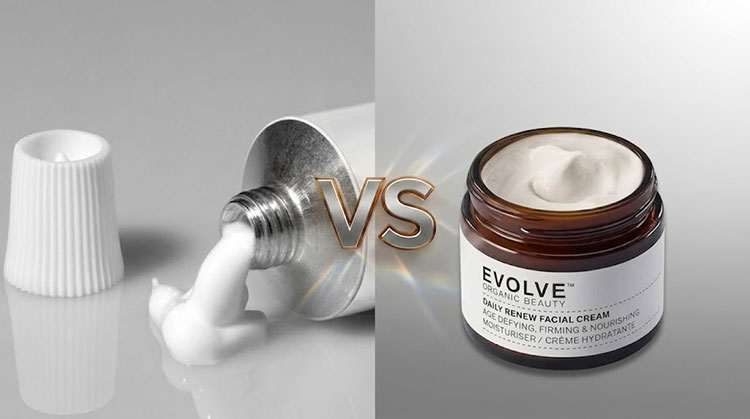
Ointments vs creams comparison
Understanding Semi-Solid Forms
Characterizing topical semi-solid matrices requires a precise classification based on vehicle composition and internal thermodynamic structures.
Ointments represent high-lipid, hydrophobic water-in-oil (W/O) systems engineered to immobilize moisture via trans-epidermal occlusion, necessitating high-torque scraper agitation to manage high-viscosity formulations.
Conversely, pharmaceutical and cosmetic creams are complex multiphase emulsions (either O/W or W/O) engineered for fast absorption and air permeability, which mandate continuous, high-velocity localized shear forces to prevent localized oil-water cleavage. Optimizing continuous production requires a dual-action system that combines counter-rotating scraping anchors with high-speed homogenizer heads to balance product texture with active drug distribution.
| Feature | Ointments | Creams |
| Main Base | Oil | Oil and Water |
| Skin Feel | Heavy and greasy | Light and smooth |
| Water Loss | Stops water loss | Allows air flow |
| Best Use | Medical and dry skin | Daily cosmetic use |
2.Where do we apply these semi-solid forms?
Do you want to expand your product line but feel stuck? Limited product uses mean lower sales. You can reach more markets with the right cream formulations.
We use semi-solid forms in many fields. Skin doctors use them to heal barriers and fight infections. Eye doctors use sterile ointments. Cosmetic brands use them for anti-aging and sun protection. New medical patches also use these bases to deliver drugs.
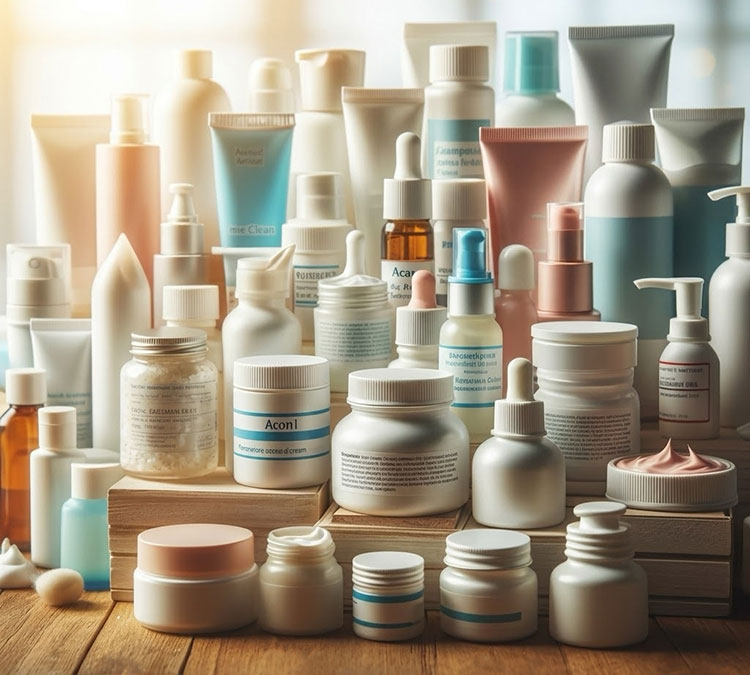
Application of creams in cosmetics and pharma
Wide Range of Applications
Transitioning basic fluidic lotion lines into high-value pharmaceutical dermatological ointments requires upgrading standard blending tanks to vacuum-rated containment systems. Specialized multi-phase medical suspensions demand strict micro-bacterial exclusion and uniform active component cross-linking to handle clinical antibiotic or anti-inflammatory agents efficiently.
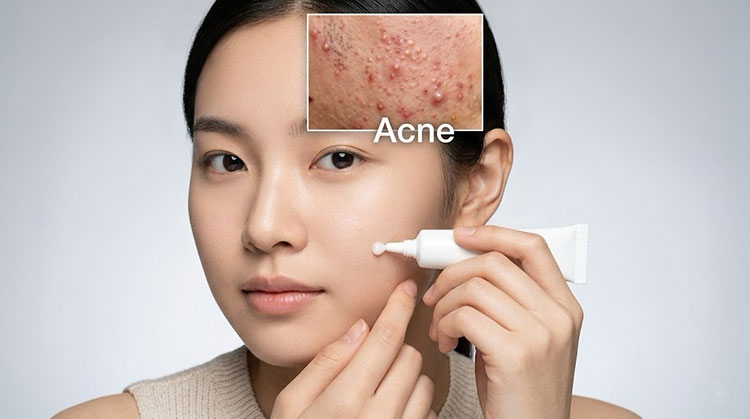
In skin medicine, doctors need ointments to fix the skin barrier. They use them for dry skin or skin diseases. They also use creams to reduce swelling or kill bacteria.
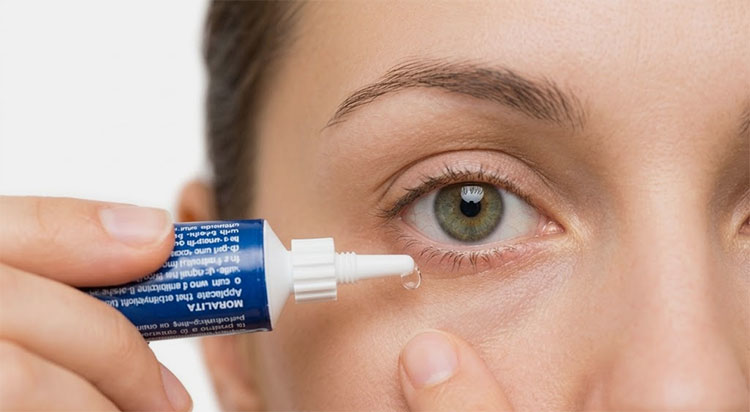
Eye care is another big area. Eye ointments must be very clean. We build machines that keep dirt out. These ointments stay on the eye longer to heal it. People also use creams for muscle pain. They rub the cream on the skin to stop the pain.
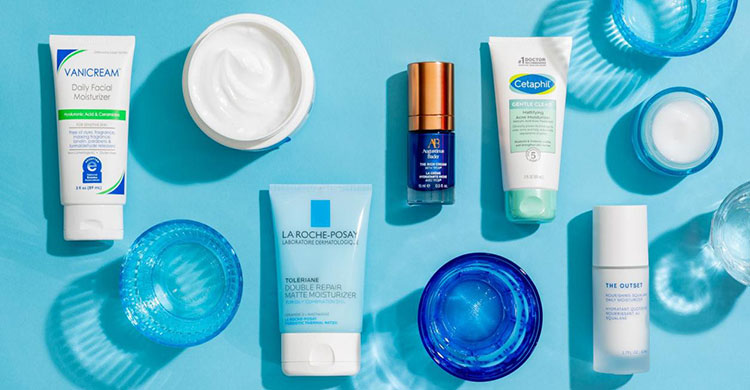
In cosmetics, brands make anti-aging creams and sunscreens. The cream must feel good and work well. New science even uses tiny particles to deliver drugs through the skin. We build systems for all these uses. You can trust our machines.
| Industry | Common Uses | Key Requirement |
| Dermatology | Fix skin barrier and kill bacteria | Even drug spread |
| Eye Care | Dry eye relief and infection treatment | Sterile and clean |
| Pain Relief | Muscle pain and joint pain | Fast skin entry |
| Cosmetics | Anti-aging and sun screen | Fast skin entry |
3.How do we design a stable formulation?
Does your cream separate into oil and water after one month? Poor formulation leads to bad products. You must pick the right parts to hold it together.
A stable formula needs a good emulsifier. Emulsifiers mix oil and water. You also need preservatives to stop bacteria. Active drugs must be the right size. Stabilizers and moisturizers keep the product smooth and safe for a long time.
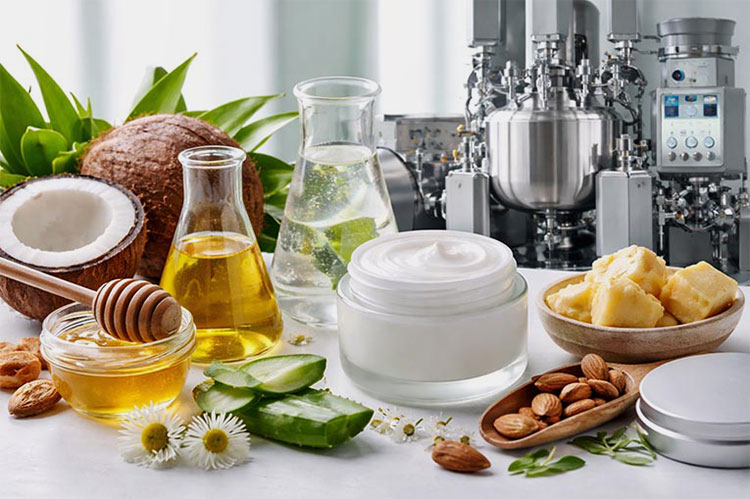
Cream formulation ingredients
Key Parts of a Formula
Mitigating stability test failures under accelerated thermal scaling relies heavily on the Hydrophilic-Lipophilic Balance (HLB) alignment of the surfactant array. Utilizing high-HLB emulsifiers stabilizes oil-in-water (O/W) cosmetic matrices, while low-HLB agents are mandatory to prevent structural breakdown in heavy water-in-oil (W/O) medical salves.
Water causes bacteria to grow. You must add preservatives. We test them to make sure they work. The active drug is also very important. It must dissolve well. If it does not dissolve, we must make the particles very small.
We use heat to melt some drugs. We mix other drugs with powder first. We add stabilizers to keep the cream thick. We add moisturizers like glycerin to make the skin soft. We help you pick the right parts. A good formula makes a great product.
| Ingredient Type | Function | Example |
| Emulsifier | Mixes oil and water | High or Low HLB agents |
| Preservative | Stops bacteria growth | Phenoxyethanol |
| Active Drug | Gives medical effect | Hormones and vitamins |
| Stabilizer | Keeps cream thick | Carbomer |
4.What is the standard production process?
Are your production batches always different? Unstable processes waste time and money. You need a strict step-by-step method to make the same product every time.
The process starts with checking and weighing raw materials. Next, we prepare the water and oil parts. Then, we mix them fast to make the cream. We cool the cream and remove air bubbles with a vacuum. Finally, we fill the cream into tubes.
Step-by-Step Manufacturing
I have helped many factories set up their lines. A good process saves money. First, you must check all raw materials. You weigh them carefully. If the weight is wrong, the product will fail. Next, we make the water phase and the oil phase. We heat them in separate tanks.
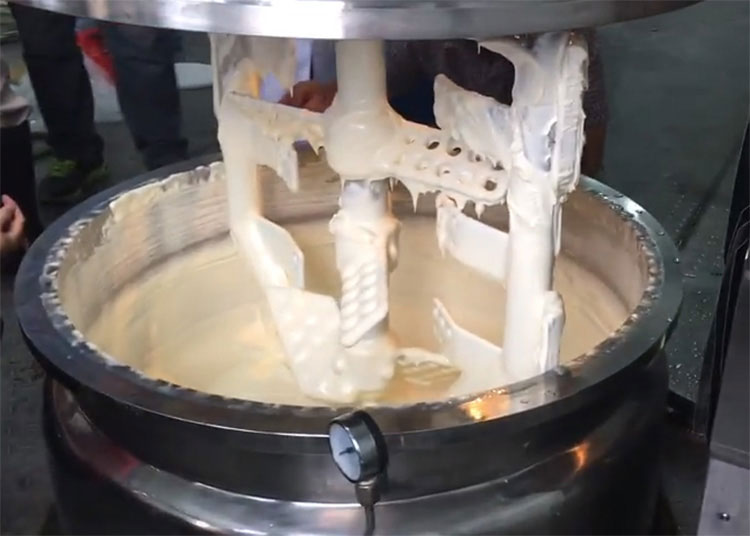
Then comes the most important part. We pump the oil and water into the main tank. The high-shear homogenizer mixes them very fast. This breaks the drops into tiny pieces. We cool the tank down slowly. We turn on the vacuum pump. The vacuum pulls out all the air bubbles. Air bubbles make the cream look bad and go bad faster.
After the cream is smooth and cool, we pump it to the filling machine. The machine puts the cream into tubes or jars. We test the vacuum system often. Good vacuum makes smooth creams.
| Process Step | Action | Goal |
| 1. Weighing | Measure materials | Ensure exact formula |
| 2. Phase Prep | Heat oil and water | Make materials ready |
| 3. Emulsification | Fast mixing | Create stable cream |
| 4. Vacuum | Remove air | Improve look and life |
5.Which equipment drives this production?
Are your old machines slowing you down? Bad equipment makes weak products. You need modern mixing and filling machines to grow your business.
We use vacuum emulsifying mixers and high-shear homogenizers to make creams. Jacketed tanks control the heat perfectly. After mixing, tube filling machines pack the cream into plastic or aluminum tubes. Good machines make the process fast and safe.
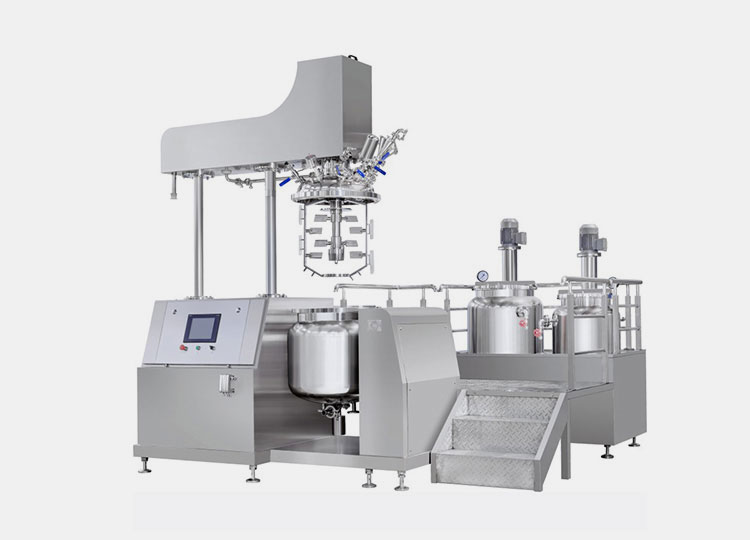
High shear homogenizer machine
Essential Production Machines
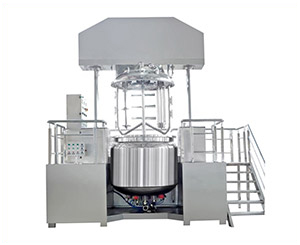
I always tell my clients that good machines are the best investment. We build machines that last for years. The main machine is the vacuum emulsifying mixer. It has a high-shear homogenizer at the bottom. This part spins very fast to cut the liquid. It also has a slow scraper at the top. The scraper moves the thick cream off the walls.
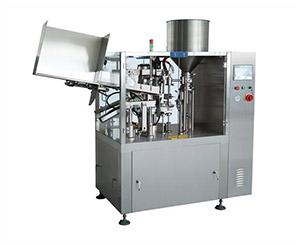
We use jacketed tanks to hold the liquids. These tanks have water or steam inside the walls. They control the heat very well. If the heat is wrong, the cream will fail. After we make the cream, we need to pack it. We use tube filling machines.
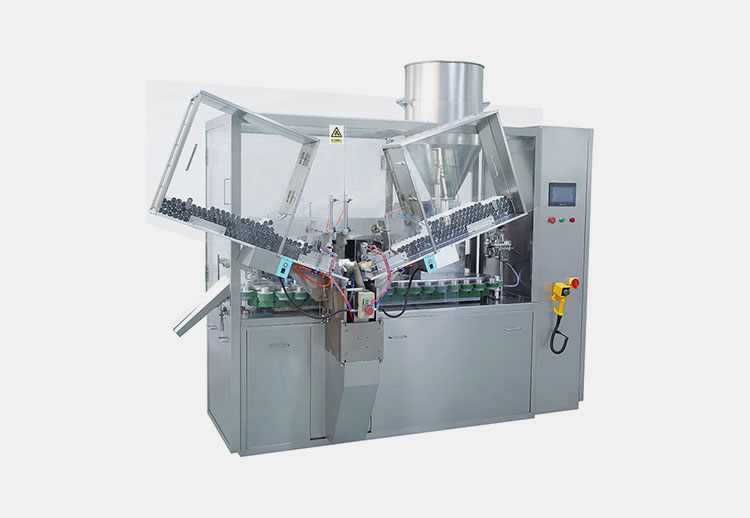
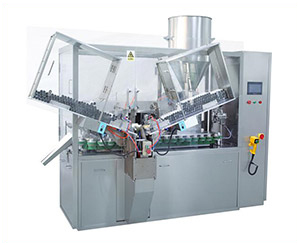
AIPAK’s tube filling machine
These machines pump the cream into tubes. They seal the tubes with heat or fold the metal. We also have machines that fill jars for cosmetic brands. We test all machines before shipping. You get a ready system.
| Equipment | Function | Benefit |
| High-Shear Mixer | Cuts and mixes liquids | Makes tiny drops |
| Vacuum Mixer Tank | Mixes and removes air | Stops oxidation |
| Jacketed Tank | Heats and cools | Exact heat control |
| Tube Filler | Puts cream in tubes | Fast packing |
6.How do we control quality and process parameters?
Do your products fail quality tests? Guessing the rules leads to rejected batches. You must measure every detail to pass strict industry standards.
We control quality by checking the cream thickness and pH level. The drop size must be very small, usually under one micrometer. The active drug must be even in every tube. We also test for bacteria and monitor the process with smart sensors.
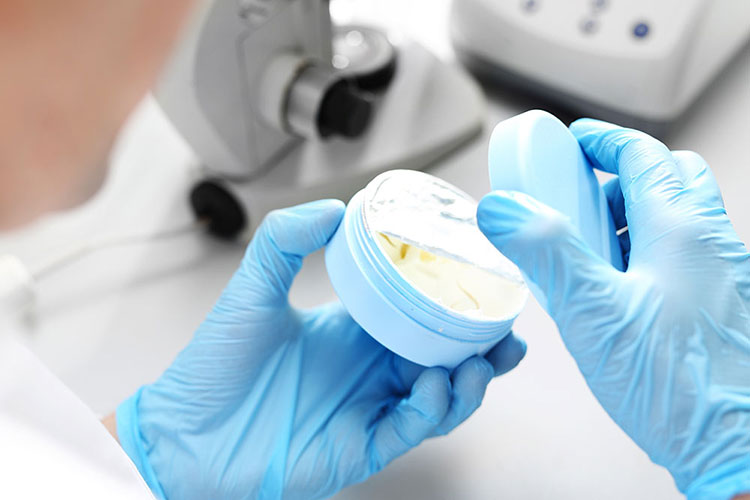
Quality control testing for creams
Strict Quality Checks
I visit many labs, and the best ones test everything. You cannot sell a medical cream if you do not test it. First, we test the thickness. We use a machine to see how it flows. Then we test the pH. The pH must match the skin, usually between 4.5 and 6.5.
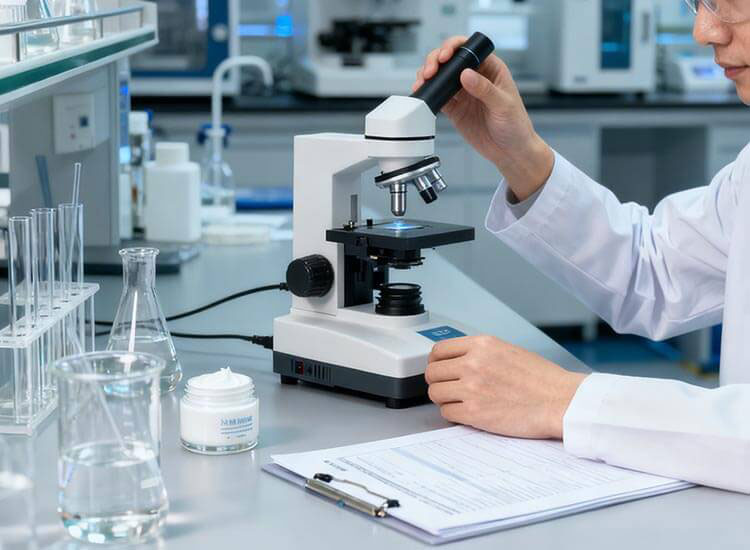
We look at the cream under a microscope. The drops must be very small. A size under one micrometer is best. This makes the cream stable. We also test the active drug. Every tube must have the same amount of drug.
We call this content uniformity. We check for bad bacteria. We use smart computer systems to watch the machines. These systems record the heat, speed, and time. This proves the process is correct. Quality control saves your brand reputation. We support your testing needs.
| Quality Test | Target | Why It Matters |
| Viscosity | Steady flow | Easy to squeeze |
| pH Level | 4.5 to 6.5 | Safe for skin |
| Drop Size | Under 1 micrometer | Keeps cream stable |
| Drug Amount | Plus or minus 5 percent | Exact medical dose |
Conclusion
High-shear homogenization is the key to perfect creams and ointments. Good machines and strict tests ensure stable products. Contact us to upgrade your production line today. Struggling with cream separation or seeking to improve the skin-feel of your topical formulas? Don't let processing hurdles compromise your product's performance. Click here to consult AIPAK’s semi-solid specialists for a Free Process Audit and a customized 3D production line layout today!
Vacuum Emulsifying Mixer & High-Shear Homogenizer FAQ
References
1.FDA Guidance for Industry: Non-Sterile Semisolid Dosage Forms - Scale-Up and Post-Approval Changes (SUPAC-SS) —— U.S. Food and Drug Administration (FDA)
2.ISO 22716: Cosmetics - Good Manufacturing Practices (GMP) - Guidelines on Good Manufacturing Practices —— International Organization for Standardization
3.Mechanistic Analysis of Droplet Size Reduction and Surfactant HLB Optimization in High-Shear Homogenizers —— Journal of Pharmaceutical Sciences
4.Thermodynamic Behavior and Rheological Controls of Jacketed Vacuum Emulsifying Mixers in Ointment Processing —— Advanced Chemical Engineering Compendium
Don't Forget To Share Article!
Avril
Senior Pharmaceutical Equipment Specialist & Project Consultant at AIPAK
Avril brings deep, multi-year expertise to the pharmaceutical machinery sector, specializing in solid dosage production lines and complex cleanroom layout engineering. As a veteran project consultant at AIPAK, she is known for her hands-on capability to match technical machine parameters with strict global compliance standards. Passionate about driving real business results, Avril works closely with international pharma clients to solve structural bottlenecks—such as facility footprint constraints and material flow optimization—ensuring they receive tailored, highly efficient one-stop turnkey solutions for their production goals.
Vacuum Emulsifying Mixer Related Posts


Vacuum Emulsifying Mixer Related Products
Vacuum Emulsifying Mixer Related Videos
CONTACT US
Tell us your raw material and project budget to get quotations within 24 hours.
WhatsApp Us: +86 181 7101 8586

Want the best price & newest pharmaceutical machinery buying guide,tips and trends sent straightly to your box?Sign up for AIPAK’s monthly newsletter,we’re free for your consultation and Offer you the most suitable solutions!
The Buyer's Guide
- Capsule Filling Buyer's Guide
- Blister Packaging Buyer's Guide
- Tablet Counting Buyer's Guide
- Tube Filling Buyer's Guide
- Cartoning Buyer's Guide
- Gummy Making Buyer's Guide
- CO2 Extraction Buyer's Guide
- Empty Capsules Buyer's Guide
- Suppository Filling Buyer's Guide
- Tablet Coating Buyer's Guide
- Tablet Press Buyer's Guide
- Softgel Encapsulation Buyer's Guide
Most Popular
- 7 Importance Of Pharmaceutical Packaging In Different Applications You Must Know
- 6 Advantages You Must Know About Tablet Counting Machine
- 8 Advantages of Blister Packaging You Must Know
- 6 Critical Applications of Automatic Capsule Filling Machine
- 6 Stations You must Know to Improve the Filling Quality of Automatic Capsule Filling Machine