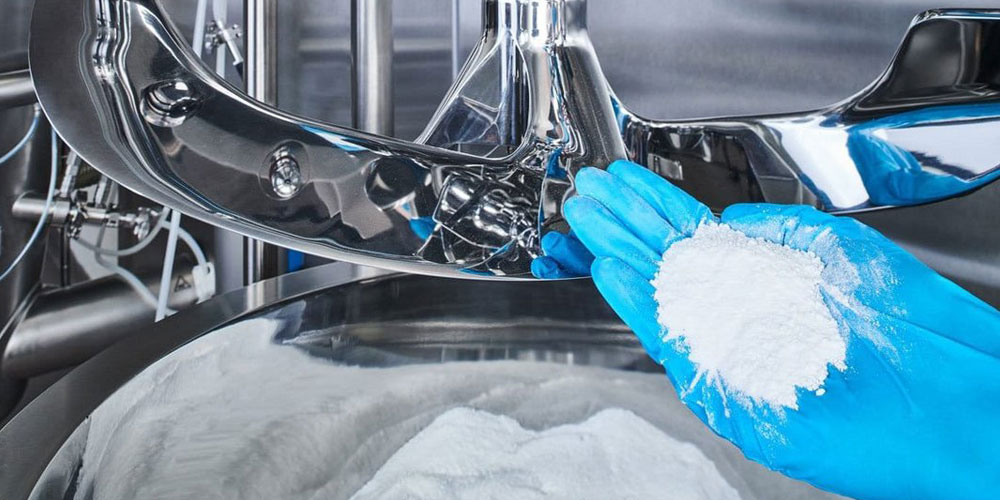
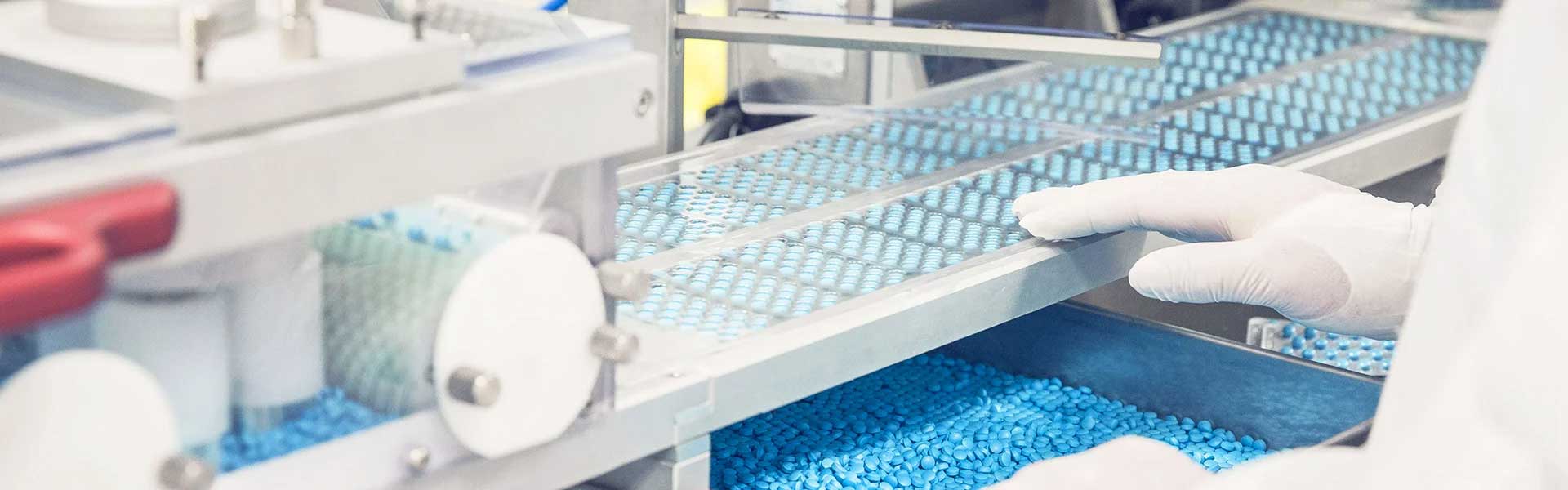
The Science of Granulation Understanding Structural Evolution in High-Shear Mixer Granulator

Struggle with bad tablet quality? Unpredictable mixing ruins entire production batches. I will show you a secret. Structural changes in high-shear granulators solve this problem forever.

Structural changes in a high-shear mixer granulator involve three main stages. These stages are wetting, growth, and breaking. You must understand these stages. You control granule size, density, and strength. This control ensures high-quality tablet production and efficient pharmaceutical manufacturing.

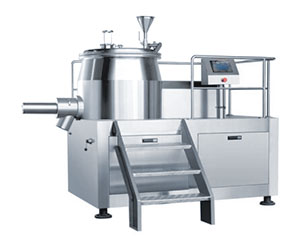
mixer granulator

Structural evolution high shear mixer granulator

You might think adding binder to powder is a simple task. You will soon realize a harsh truth. Ignoring the exact science behind these actions ruins entire production lines. You will lose thousands of dollars in wasted materials. You must learn these secrets.

1.How Does Wetting and Nucleation Start the Granulation Process?

Poor binder spread causes uneven granules. This unevenness leads to weak tablets. I explain a simple method. Controlling drop sinking time and spray speed fixes this first step.

Wetting starts the process. A liquid binder contacts dry powder. This contact forms granule nuclei. The process uses drop-controlled mixing and mechanical mixing. You control the binder drop size and sinking time. You guarantee uniform granule formation in your high-shear mixer.

Wetting and nucleation process

Wetting and nucleation process

I always watch the nucleation map. I set up a high-shear mixer granulator. This map uses two rules. The first rule is the drop sinking time. The second rule is the spray speed.

You control the drops perfectly. Drops sink into the powder quickly. The drops must stay apart from each other. I lower the spray speed. I maintain this exact state. I give the drops enough time. They sink into the powder bed. The drop size decides the nucleus size in this state. Mechanical mixing takes over.

Different drop size

Different drop size

Drops sink slowly. The liquid drops merge on the powder surface. This merging creates many different granule sizes. I watch the wetting ability of the binder liquid. I use the spreading number to measure this ability.

A good binder sinks faster. It forms strong liquid bridges between particles. These liquid bridges turn into solid bridges after drying. This process creates dense granules. It creates very strong granules.

strong granules

Thick binders slow down the sinking time. They push the system away from the perfect state. Liquid drops overlap. They cause uneven mixing. I advise using thin binders. You can use very low spray speeds. These actions keep perfect control over the first stage.

2.What Controls Granule Growth and Consolidation in High-Shear Mixers?

Weak granules crumble under pressure. Wild growth creates unusable wet lumps. I will guide you through the growth rules. You will ensure perfect granule building every single time.

Granule growth happens inside the machine. Particles hit each other, the mixer walls, or the blade. Granules experience steady growth or delayed growth. You monitor the liquid fill and bending number. You maintain consistent granule enlargement during the entire process.

Granule growth and consolidation

Granule growth and consolidation

I divide granule growth into five areas. I base this division on liquid amount and bending ability. I use the maximum pore fill to measure the liquid amount. I use the Stokes number to measure particle bending.

particle bending

The liquid barely covers the particles in the first area. Particles only form. They do not grow. Normal growth starts in the third area. Steady growth happens. Soft materials hit each other. They stick together instantly. The granule size increases steadily with time.

Delayed growth happens. Hard materials hit each other. They need many hits. The hits squeeze liquid to the surface. The growth delays at first. The granules grow rapidly after a critical point. I change the blade speed and binder amount. I control this growth.

control this growth

A faster blade speed increases the hit force. This force makes the particles bend more. It squeezes out more liquid. Adding more binder pushes the system into rapid growth. I never pour the binder directly into the mixer.I pump the binder.

Pumping ensures an even spread. I track the physical changes of the granules. The granules start as rough shapes. They become smoother. They absorb moisture. They become denser. They turn into perfect spheres.

You must track these shape changes. This tracking helps you predict powder flow. It helps you predict powder pressing.

3.Why Does Granule Breakage Occur During High-Shear Wet Granulation?

Unexpected fine powders ruin your formula. Wild breaking destroys your carefully grown granules. I will show you a reliable way. You can predict and stop granule destruction.

Granule breaking happens often. Mechanical stress from the blade beats the physical strength of the granules. Small granules merge together. Large granules break apart. You must balance the blade speed and binder thickness. You control the final size spread of your batch.

Granule breakage in granulation

Granule breakage in granulation

I find predicting batch traits difficult. Granule breaking causes this difficulty. Breaking affects the binder spread. It affects the final size spread. I watch small particles merge into large groups. Large groups break down into smaller pieces at the same time.

The blade speed plays a massive role in this stage. I increase the speed at first. This speed helps particles merge. I know a secret. Too much speed shatters the granules. I do not rely on blade speed alone. I cannot predict breaking with just speed.

breaking with just speed

I use the Stokes number. It is a much better guide.Granules stretch and break. They reach a specific bending limit. I check the moisture amount of the batch constantly. High moisture gives the materials softness.

This softness helps the granules merge. Low moisture makes the granules brittle. Brittle granules shatter easily under stress. The physical strength of your raw materials matters too.

process of granule merge

The process of granule merge

Strong materials resist breaking. They stay whole even at very high mixing speeds. I use highly filled binders. I build stronger granules. I use thick binders. I reduce empty spaces inside the granules.

These actions build tough granules. These granules survive the intense mixing forces. You must balance all these rules. You prevent massive granule destruction.

4.How Does Fluid Bed Drying Impact Granule Breakage?

Drying processes often create too much dust. This dust blocks your tablet press machines. I explain a vital step. You can stop granule breaking during the final drying phase.

Granule breaking happens in a fluid bed dryer. Moisture levels drop. Particles become brittle. High air speeds increase hit impacts. These impacts shatter the dry granules into fine dust. You must control the air flow and drying time. You protect your granules.

Fluid bed drying breakage

Fluid bed drying breakage

I always watch the drying stage carefully. Granule breaking does not stop in the mixer. Fluid bed drying can produce too many fine powders. These fine powders cause terrible flow problems. They block your tablet press machines. This blocking happens during the filling stage.

during the filling stage

I notice a critical rule. Moisture amount is the most important factor here. Granules become weaker. They lose water. Fine powders usually appear near the very end of the drying cycle. The granules become totally dry and brittle.

I control the air speed strictly. A very high air speed dries the batch quickly. It also slams the particles together with great force. Granules break. The hitting force becomes stronger than their physical shape.

Wet mixing phase in granulator

Wet mixing phase in granulator

I prevent this problem. I build strong granules during the first wet mixing phase. I use enough binder liquid. These good granules resist breaking much better in the dryer. I always balance the drying air speed.

I balance the total drying time. I look at the particle size. I look at the physical traits. I combine all these rules. I design a perfect fluid bed drying process. This careful planning stops dust creation. It protects your final product. It ensures smooth running in your tablet press machines.

Conclusion

You must understand structural changes in high-shear granulators. This knowledge ensures perfect tablet production. You control wetting, growth, and breaking. You manufacture high-quality pharmaceutical solid dosage forms consistently. Facing inconsistent granule density or unpredictable breakage in your drying stage? Don't leave your formulation to chance. Click here to consult AIPAK’s granulation experts for a Free Process Simulation and a customized High-Shear Mixer Audit today!

Granulator Machine Related Products

Granulator Machine Related Posts

Granulator Machine Related Videos

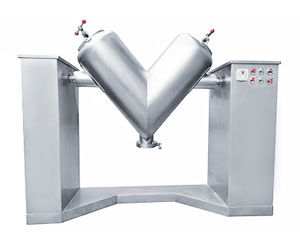
Everything You Wanted to Know About v-type mixer machine

New V type best quality powder granule mixer machine

How Blender Bin Changes Feeder Hopper?

CONTACT US

Tell us your raw material and project budget to get quotations within 24 hours.

WhatsApp Us: +86 156 0710 8630

Invalid Email
Invalid Number
Scroll to Top