
Softgel Encapsulation Machine Layout: A cGMP Technical Manual for Fish Oil Production Line Integration
Establishing a commercial-scale fish oil softgel production line introduces complex challenges in cleanroom HVAC balancing, gel ribbon micro-mechanics, and lipid fill stabilization. This step-by-step technical manual provides an objective engineering framework to guide pharmaceutical and nutraceutical manufacturers through machinery selection, formulation parameters, and scaling protocols to secure strict cGMP compliance.
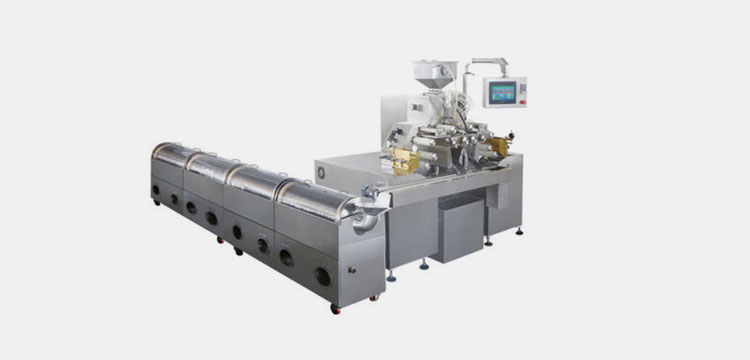
Fish Oil Softgel Production Line
Procurement and operations directors frequently face substantial financial risks when configuring automated encapsulation layouts due to mismatched equipment capacities or flawed material selection. This operational guide consolidates verified plant-floor parameters and equipment configurations, eliminating technical inaccuracies and optimizing capital expenditure allocation for solid-dosage processing lines.
1.What goes into the fish oil softgel shell?
Making a bad softgel shell causes leaks. You lose expensive fish oil and face angry buyers. I will explain the exact shell formula to stop leaks.
The softgel shell has three main parts. It uses gelatin, water, and a plasticizer like glycerin. You can use animal gelatin or plant-based vegan gelatin. The mixture needs about 45% water. You can also add colors and flavors to the shell.
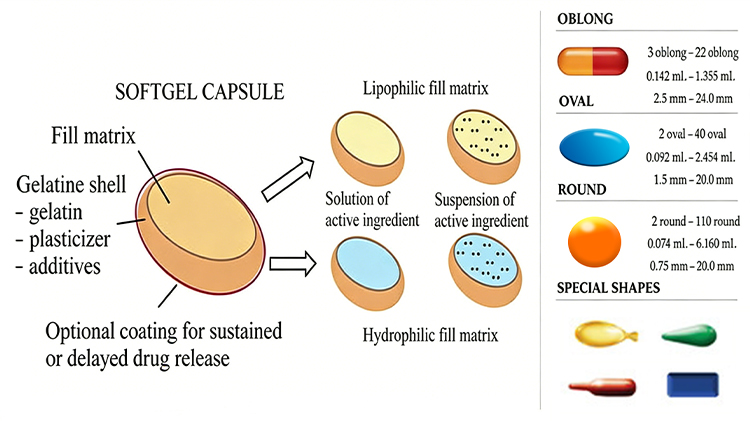
Softgel Shell Preparation
Utilizing sub-standard raw gelatin or an unverified bloom rating provokes catastrophic shell degradation and terminal capsule leaking during warm-climate transport. Sustaining shell structural integrity requires strict raw material specification control, balancing gel strength alongside precise moisture retention variables. The essential structural components of the gelatin matrix are evaluated below.
2.Animal Gelatin and Vegan Gelatin
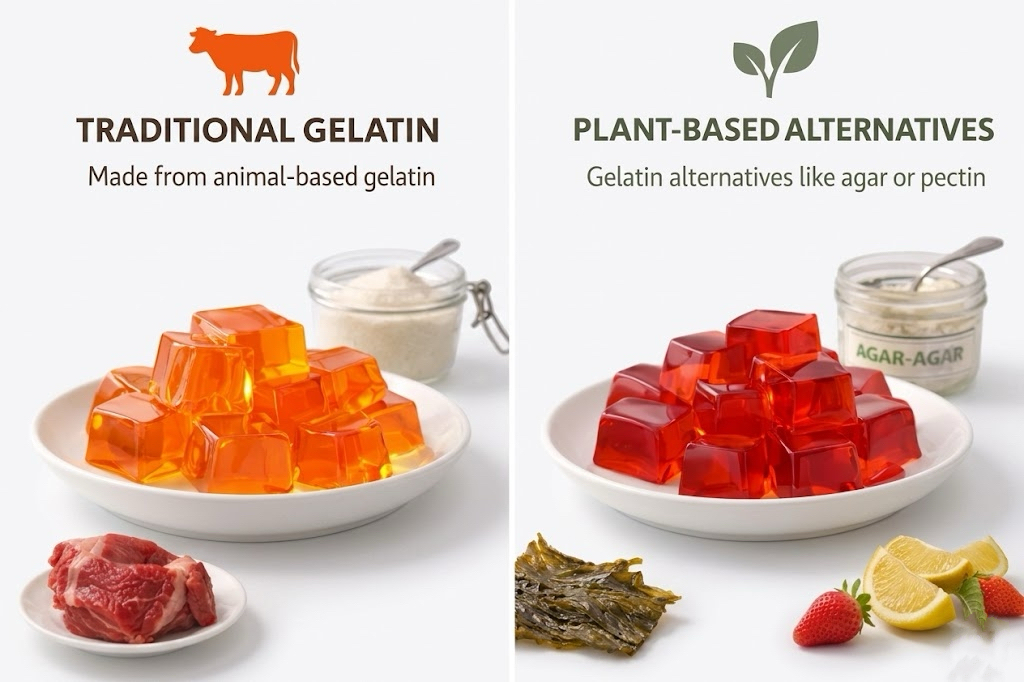
Most companies use animal gelatin. It comes from animal bones and skin. You need a bloom strength between 150 and 200. The viscosity must be 25 to 40 mP. The particle size must be normal.
To address expanding clean-label markets, plant-based carrageenan and modified tapioca starch extracts are engineered as direct alternatives to standard bovine or porcine gelatins. These vegetarian macromolecular structures are calibrated via thermal processing to match the tensile strength and elasticity parameters of legacy animal matrices, ensuring robust hermetic sealing across rotary die arrays.
3.Water and Plasticizers
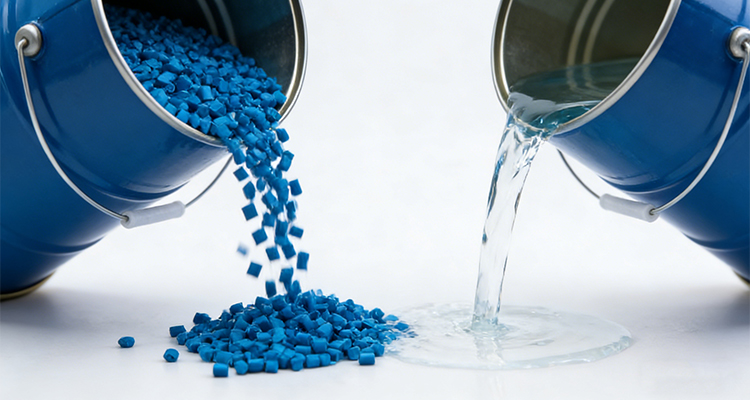
You cannot make a softgel with just gelatin. You need water. The water makes up about 45% of the formula weight. You adjust the water to get the right thickness. You also need a plasticizer. This makes the shell soft and flexible. We use glycerin or sorbitol. The plasticizer is 0.3 to 1.8 parts of the mix. You choose the exact number based on the final strength you want.
4.Extra Ingredients
You can add other things to the shell. You can add natural or synthetic colors. This helps people recognize the pill. You must make sure the colors do not react with the oil. You can add titanium dioxide. This makes the shell block light. Light can ruin fish oil. You can add preservatives to make the pills last longer. You can add sweet flavors like vanilla or sugar to hide the bad fish smell.
| Ingredient | Purpose | Common Options |
| Gelatin | Main structure | Animal bone, Tapioca (vegan) |
| Plasticizer | Makes shell soft | Glycerin, Sorbitol |
| Water | Helps mixing | Purified water |
| Extras | Color and taste | Titanium dioxide, Vanilla |
5.How do you prepare the fish oil fill matrix?
Bad fish oil filling causes blockages. Your machine stops working. You lose production time. I will show you how to prepare the fill matrix correctly.
The fill matrix is the inside of the softgel. For fish oil, you use a pure oily mixture. You can also make solutions or suspensions. You must make sure the oil is stable. You need a good mixing tank to keep the liquid smooth.
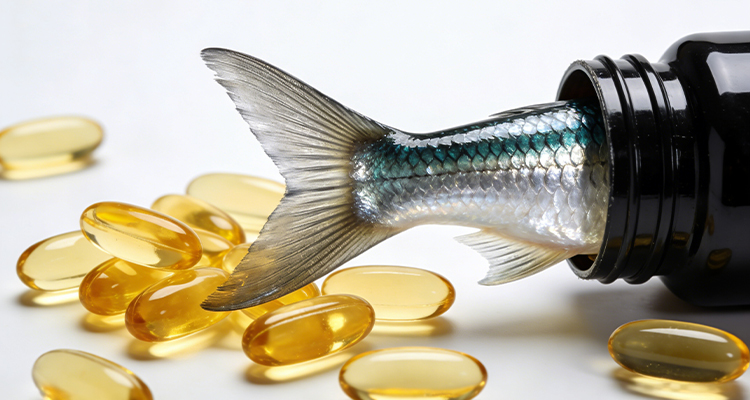
Fish Oil Fill Matrix
Inadequate pre-mixing or incomplete lipid homogenization scale interfacial friction, causing premature injection pump seizing and systemic dosing variations across production blocks. Achieving exact volumetric fill control necessitates a precise analysis of the core formulation matrix. The primary oral solution vectors are classified below.
Pure marine lipids represent a standard lipophilic fill matrix exhibiting stable rheological properties and predictable dynamic viscosity profiles under ambient cleanroom environments. Sustaining uniform product displacement requires maintaining positive suction head pressures and precise temperature regulation within the overhead supply hopper to prevent viscosity spikes during high-speed encapsulation cycles.
Oily Mixtures
Fish oil is an oily mixture. It is easy to fill. Plant oils are also oily mixtures. You just need to keep the temperature right. You pump the pure fish oil into the machine. The liquid flows fast.
Solutions and Suspensions
Sometimes you want to add extra vitamins to the fish oil. You make a solution. You dissolve the vitamins in the oil. You can use safe solvents like soybean oil or Myglyol 812. Sometimes the powder does not dissolve. You make a suspension. The powder floats in the oil. You can have up to 30% solid powder in the oil. The liquid must still flow well. You must mix it very well.
Stability Control
You must protect the fish oil. Fish oil goes bad easily. You need to control the air and light. A good fill matrix keeps the active ingredients safe. It helps the human body absorb the medicine. You must check the physical stability of the mixture. You use a vacuum homogenizing mixer to remove air bubbles. This keeps the fill perfect.
| Fill Type | Description | Example |
| Oily Mixture | Pure oils | Fish oil, Plant oil |
| Solution | Dissolved ingredients | Vitamin E in oil |
| Suspension | Solid powder in liquid | Calcium powder in oil |
6.What equipment do you need for a softgel line?
Buying the wrong machines ruins your business. You waste millions of dollars. Your factory fails the GMP test. I will list the exact machines you need.
You need a softgel encapsulation machine as the core equipment. You also need a gelatin melting tank and a material mixing tank. After making the capsules, you need tumble dryers, drying trays, and a polishing machine. All machines must meet cGMP standards.
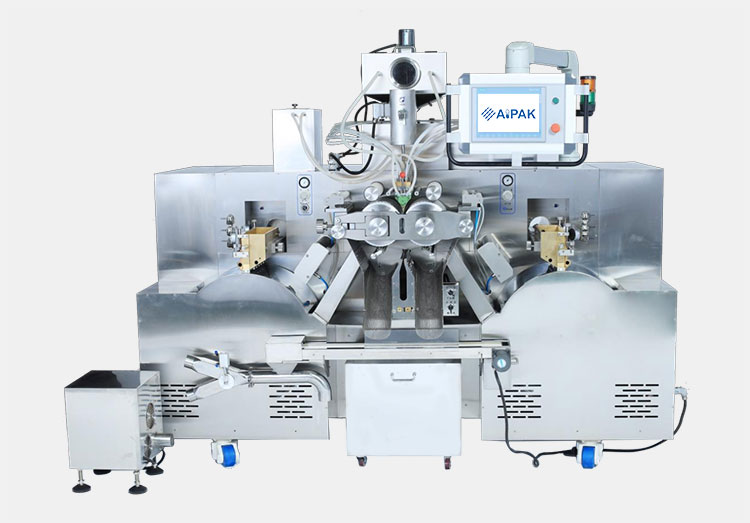
Softgel Encapsulation Equipment
Configuring a turnkey softgel manufacturing plant requires a highly synchronized equipment matrix tailored to specified cleanroom spatial configurations and throughput targets. Designing specialized cGMP layout integrations demands mapping every processing phase to specific, certified operational hardware units. The primary machinery assemblies required for commercial solid-dosage lines are structured below.
The Core Encapsulation Machine
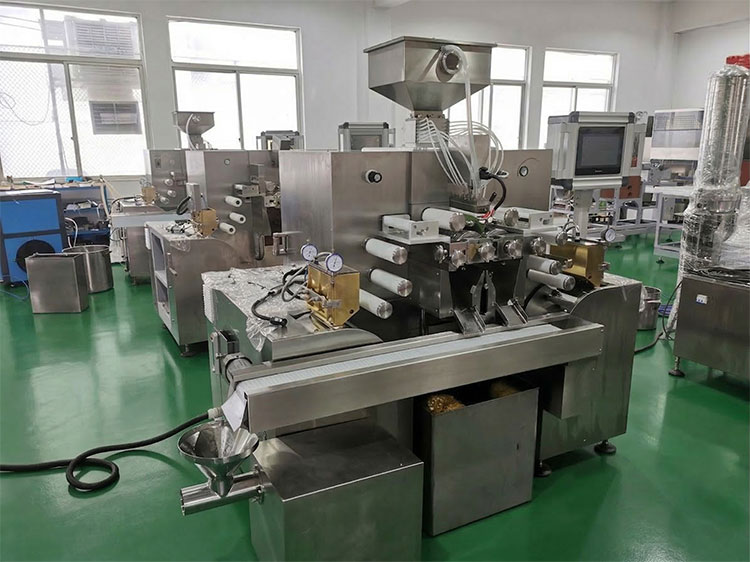
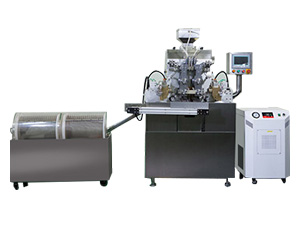
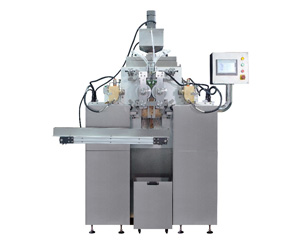
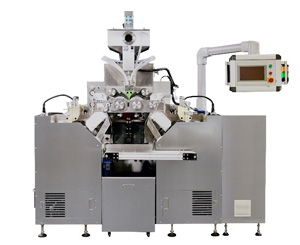
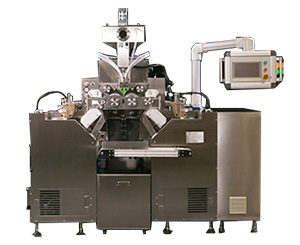
The softgel encapsulation machine is the most important part. It makes the gelatin ribbons. It pushes the ribbons together. It injects the fish oil. It seals the capsules. Our machines fit CE and cGMP rules. They are easy to use. You can change the molds fast. We have machines for low, medium, and high speeds. They have good computer control systems.
Melting and Mixing Tanks
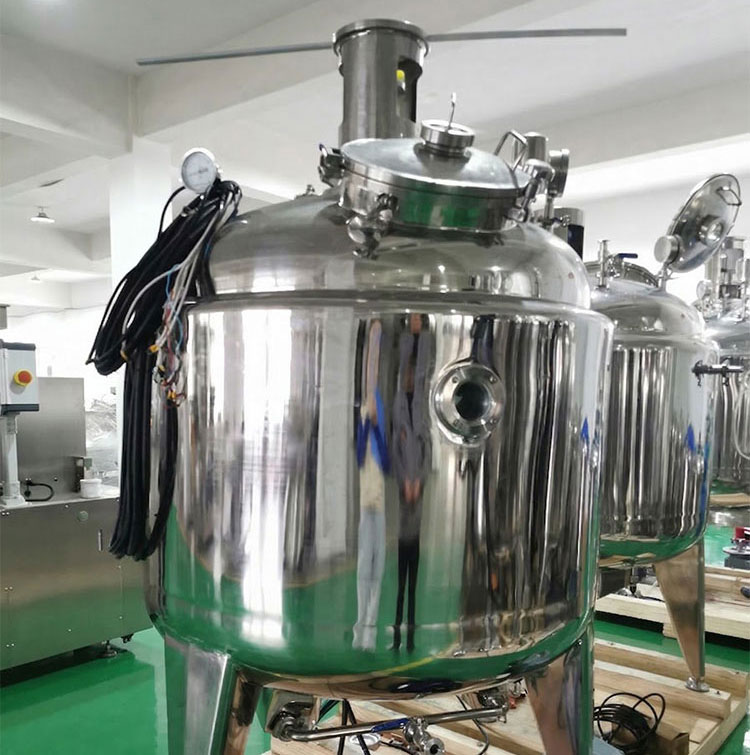
You need a gelatin melting tank. It heats the gelatin and water. You need a vacuum homogenizing mixer for the oil. You might need a colloid mill to grind powders. You need a cooling system to keep the temperature steady. These tanks keep the materials ready for the main machine. You connect them with clean pipes.
Post-Processing Equipment
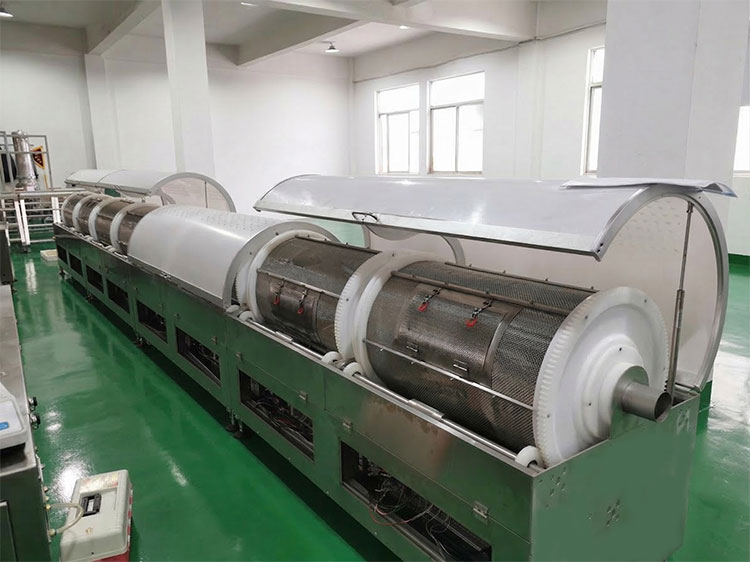
The wet capsules need drying. You need a tumble dryer for the first dry. You need drying trays and tunnels for the final dry. You also need a sorting machine. It removes bad capsules. You need a polishing machine to clean the capsules. You can use a pulverizer to recycle bad gelatin.
| Machine Type | Function | Importance |
| Melting Tank | Melts gelatin | High |
| Encapsulation Machine | Forms capsules | Core |
| Tumble Dryer | Removes water | High |
| Polishing Machine | Cleans surface | Medium |
7.How does the softgel encapsulation process work?
A messy process makes bad capsules. You fail quality checks. Your clients return the products. I will explain the four clear steps to make perfect softgels.
The process has four steps. First, melt the gelatin to make flat ribbons. Second, prepare the fish oil fill. Third, use the machine to inject oil between two gelatin ribbons and seal them. Fourth, dry the wet capsules and polish them.
Fish Oil Softgel Manufacturing Process
Standard operating procedures (SOPs) must be rigorously enforced across the production floor, as deviation from standard timing parameters inevitably results in shell delamination and massive volumetric filling rejections. Executing zero-defect softgel manufacturing relies on maintaining a continuous, non-interrupted four-stage thermodynamic cycle.
Step One and Two: Preparation
First, you put gelatin, water, and glycerin in the heating tank. You heat it for three hours. The mixture melts completely. The liquid flows to a cooling box. It spreads onto a cooling drum. It becomes a flat, stable gelatin ribbon. Second, you prepare the fish oil. You mix it well. You put it in the liquid tank above the machine.
Step Three: Encapsulation
The machine pulls two gelatin ribbons together. The air cooling system keeps the room temperature right. An injection wedge sits between the two ribbons. It gets hot. It injects the precise amount of fish oil into the space. The rotary die cuts and seals the capsule at the same time. The mold decides the capsule size and shape. You can also use flat plate molds. The rotary die is the most common method.
Step Fourth: Drying and Polishing
The new capsules are very wet. They go into a tumble dryer. This removes 25% of the water. Next, you put them on trays. They sit in a drying room for 24 hours. You control the humidity. Finally, you check them for damage. You test the weight, thickness, and moisture. You test for bad bacteria. You use a polishing machine to clean the oil off the outside. You can wash them with a safe solvent.
| Process Step | Action | Time or Goal |
| Gelatin Prep | Heat and mix | 3 hours |
| Fill Prep | Mix fish oil | Smooth liquid |
| Encapsulation | Inject and seal | Form capsule |
| Drying | Tumble and tray dry | 24+ hours |
Conclusion
Starting a fish oil softgel line requires good formulas and the right machines. Follow these steps to build a successful factory. Contact us for professional equipment solutions today.
Frequently Asked Questions - Softgel Production Line Integration
References
1.FDA Current Good Manufacturing Practice (cGMP) Regulations for Finished Pharmaceuticals, 21 CFR Part 211
2.USP-NF Chapter 1151: Pharmaceutical Dosage Forms - Soft Gelatin Capsule Mechanics
3.ISPE Baseline Guide Volume 4: Water and Steam Systems for Cleanroom Manufacturing
4.International Journal of Pharmaceutics: Evaluation of Gelatin Ribbon Tensile Strength and Glycerin Plasticization Ratios
Don't Forget To Share Article!
Bessie
Technical Content Strategist & Pharmaceutical Industry Analyst at AIPAK
Bessie is a senior technical content strategist at AIPAK, specializing in parsing complex pharmaceutical engineering workflows, solid dosage manufacturing data, and cleanroom design compliance. Working directly alongside frontline sales engineers and onsite technicians, she excels at translating raw field data into actionable technical playbooks for global pharma buyers. Bessie leverages her deep understanding of international regulatory standards—including FDA cGMP (21 CFR Part 211) and ISPE engineering guides—to ensure AIPAK’s localized facility layout solutions are structured, traceable, and fully optimized for maximum operational ROI.
Softgel Encapsulation Machine Related Posts




Softgel Encapsulation Machine Related Products
Softgel Encapsulation Machine Related Videos
CONTACT US
Tell us your raw material and project budget to get quotations within 24 hours.
WhatsApp Us: +86 181 7101 8586

Want the best price & newest pharmaceutical machinery buying guide,tips and trends sent straightly to your box?Sign up for Aipak’s monthly newsletter,we’re free for your consultation and Offer you the most suitable solutions!
The Buyer's Guide
- Capsule Filling Buyer's Guide
- Blister Packaging Buyer's Guide
- Tablet Counting Buyer's Guide
- Tube Filling Buyer's Guide
- Cartoning Buyer's Guide
- Gummy Making Buyer's Guide
- CO2 Extraction Buyer's Guide
- Empty Capsules Buyer's Guide
- Suppository Filling Buyer's Guide
- Tablet Coating Buyer's Guide
- Tablet Press Buyer's Guide
- Softgel Encapsulation Buyer's Guide
Most Popular
- 7 Importance Of Pharmaceutical Packaging In Different Applications You Must Know
- 6 Advantages You Must Know About Tablet Counting Machine
- 8 Advantages of Blister Packaging You Must Know
- 6 Critical Applications of Automatic Capsule Filling Machine
- 6 Stations You must Know to Improve the Filling Quality of Automatic Capsule Filling Machine