
Fish Oil Softgel Encapsulation: Thermal Gelatin Mechanics and Matrix Stability
Optimizing high-speed fish oil softgel encapsulation demands a synchronized control over mass transfer, cross-linking kinetics, and fluid rheology. The seamless synthesis of an elastic gelatin ribbon matrix with a highly hydrophobic, polyunsaturated fatty acid (PUFA) fill requires strict thermal stabilization to prevent severe structural leaching, micro-leaks, and oxidative rancidity.
This manufacturing manual provides explicit engineering criteria for softgel output, detailing the chemical interactions of 150–200 Bloom bovine/tapioca polymers, plasticizer-to-dry-gelatin mass ratios, and the rotary die geometric mechanics essential for maintaining optimal ribbon gauge and hermetic seal integrity.
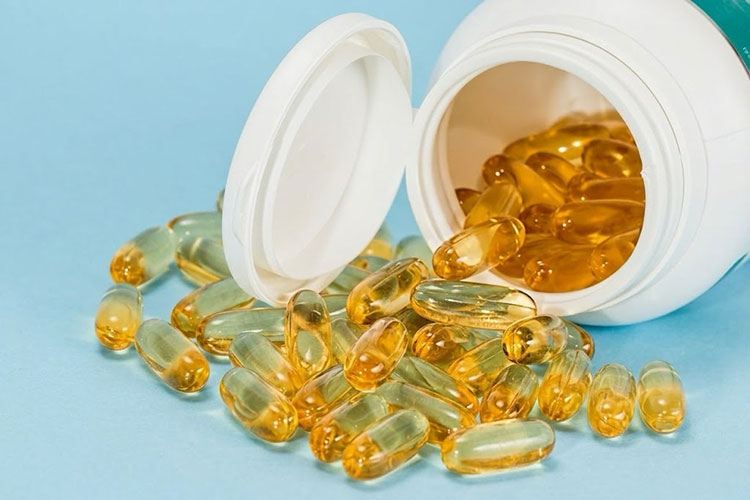
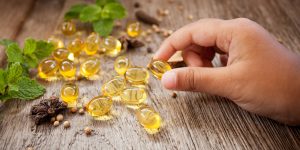
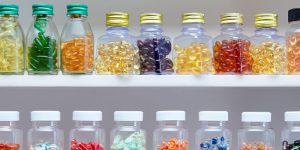
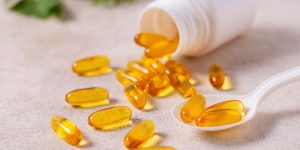
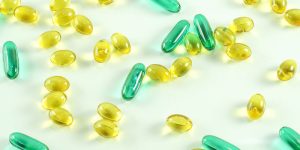
Fish oil softgel products
1.What are the basic components and shell formulation of a softgel?
Formulating a resilient softgel ribbon requires maintaining a precise plasticizer-to-dry-gelatin weight ratio between 0.3 and 1.8, selecting a 150–200 Bloom macromolecular matrix to secure optimal film tensile strength, and driving hot-melt viscosity within a stable 25–40 mPa·s threshold.
Do your capsules break easily? A weak shell causes leaks and unhappy customers. I will explain how to mix the right ingredients for a strong capsule shell.
A softgel shell needs gelatin, water, and plasticizers. You should use gelatin with 150 to 200 Bloom strength. You must add water at about 45% of the formula weight. You also need plasticizers like glycerin to make the shell flexible. You can use vegan tapioca extract instead.
I remember my first batch of softgels. I did not know much about ingredients. The shells were too hard. They cracked in my hands. I lost a lot of money. I learned that the shell formula is very important. You must control every part of the mixture.
The Core Ingredient
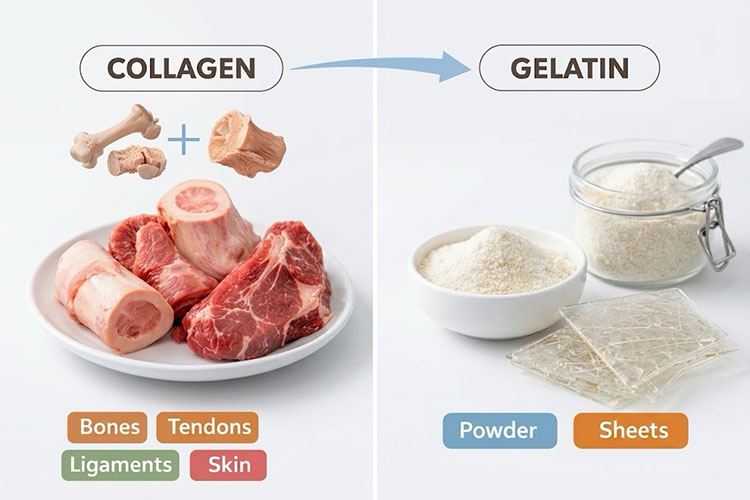
Gelatin comes from animal bones and skin. It gives the capsule its shape. You must check the Bloom strength. Bloom strength measures how strong the gelatin is. I always use 150 to 200 Bloom. I also check the viscosity. It should be between 25 and 40 mP.
Liquids and Softeners
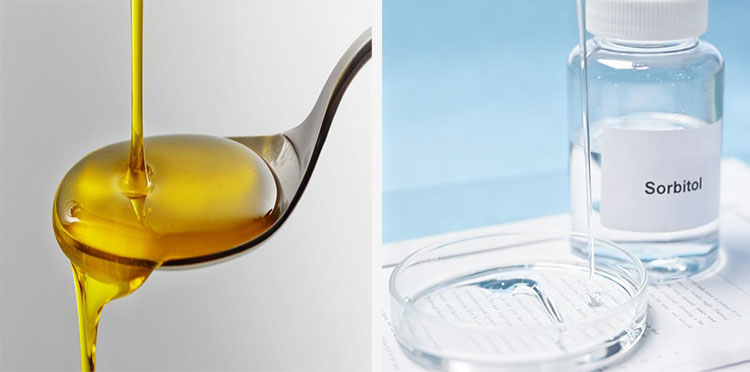
To convert crystalline collagen fractions into a highly pliable, cohesive film, the integration of polyols as boundary plasticizers is non-negotiable. Utilizing a calculated mass ratio of sorbitol or vegetable glycerin relative to dry gelatin ensures optimal disruption of polymer chain networks, preventing embrittlement and subsequent localized micro-cracking.
During the initial aqueous solvation phase, deionized water is introduced at a strict baseline to facilitate cross-linking during hot-melt processing. For alternative plant-based configurations, specialized hydrolyzed tapioca extracts can directly replace mammalian substrates, duplicating the exact network elasticity and viscoelastic deformation tolerances required by high-speed rotary die systems.
Extra Additives
You also need other ingredients for a good shell.
| Ingredient | Purpose | Example |
| Colorants | Help people identify the pill | Natural food color |
| Opacifiers | Protect the fill from light | Titanium dioxide |
| Preservatives | Make the pill last longer | Standard food preservatives |
| Flavorings | Make the pill taste better | Vanilla or sugar |
I use natural colors so people can identify the pill. I use titanium dioxide to block light. Light can ruin fish oil. I add preservatives so the pills last longer. I even add vanilla flavor to hide the fish smell.
2.How do you design the fill matrix for a softgel?
Is your fish oil losing its quality? Bad filling ruins the active ingredients. I will show you how to prepare the fill matrix to protect your product.
The fill matrix is the active medicine inside the capsule. It can be a liquid, a semi-solid, a suspension, or an emulsion. You must make sure the fill is stable. It must flow easily during the filling process. Common forms include pure oily mixtures like fish oil.
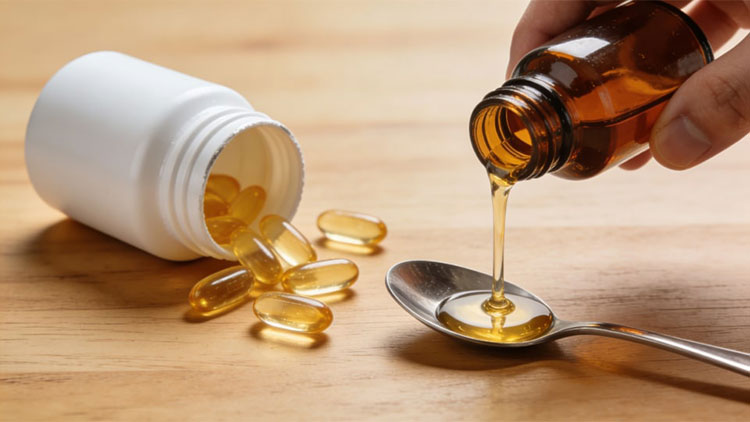
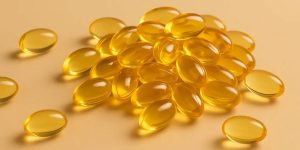
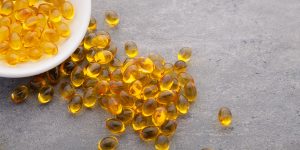
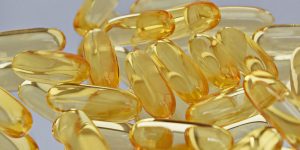
Fish oil softgel fill matrix liquid
The fill matrix is the active medicine inside the capsule. I once used a fill that was too thick. The machine jammed. I had to stop the factory. I lost a whole day of work. You must design the fill very carefully.
Types of Fill Matrix
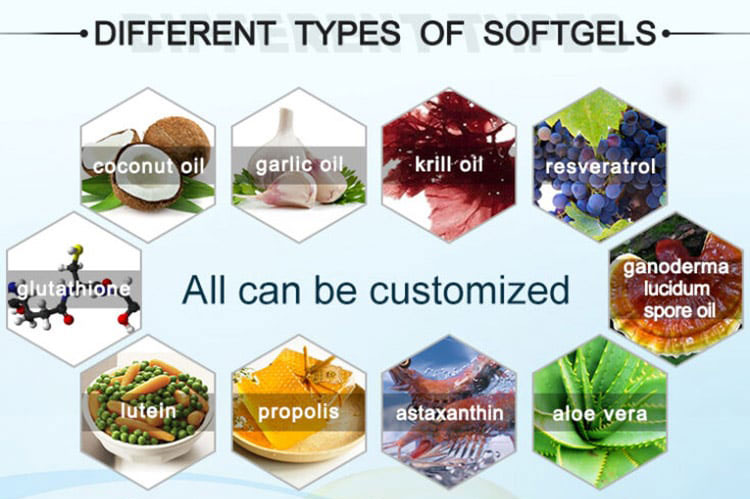
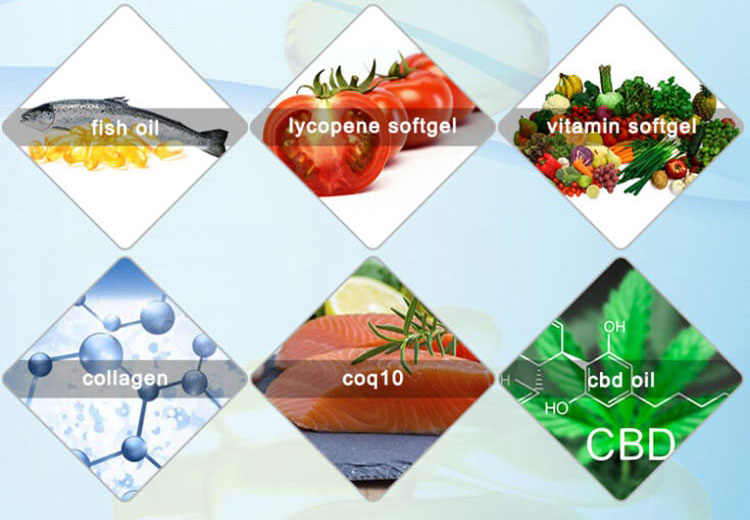
You can put different things inside a softgel.
| Fill Type | Description | Example |
| Oily Mixtures | Pure oils | Fish oil or plant oil |
| Solution Fills | Active ingredients in a solvent | Soybean oil mixtures |
| Suspension Fills | Solid parts mixed in a liquid | Vitamin powders in oil |
Pure oily mixtures are very common. Fish oil is a pure oil. You can also make solution fills. You dissolve the active ingredient in a solvent like soybean oil. You can also make suspension fills. You mix solid powders into a liquid base.
Design Rules
Engineering a stable lipophilic fill matrix requires strict mitigation of chemical and mechanical variables during mass transfer. Because fish oil rich in omega-3 fatty acids (EPA/DHA) is highly susceptible to thermo-oxidative rancidity, the entire medicine preparation sequence must be executed under a continuous nitrogen blanket within a chilled vacuum mixer.
To safeguard finished batch validation, the suspension or pure oil matrix must satisfy critical kinematic viscosity criteria. Solid suspension components must be milled via a high-shear colloid mill to minimize non-conforming particle clusters, ensuring a homogenous, non-thixotropic fluid flow that passes through the injection wedge and positive-displacement pumps without inducing erratic pressure spikes or mechanical packing failure.
3.What equipment do you need for softgel production?
To completely insulate vulnerable omega-3 polyunsaturated fatty acids from dynamic oxidative pathways and thermal stress during high-speed encapsulation, temperature controls must be stringently maintained.
Every stage of the medicine preparation and storage sequence is engineered to mitigate secondary oxidation products, in strict alignment with the processing quality tolerances mandated by the FAO/WHO Codex Alimentarius Standard for Name Vegetable Oils (CXS 210), ensuring unassailable product shelf-life and chemical purity.
Does your production line stop often? Cheap machines cause delays and waste money. I will guide you to choose the best equipment for smooth softgel production.
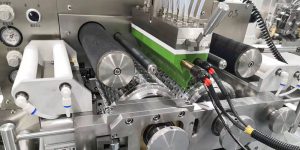
You need a softgel encapsulation machine to make the capsules. This machine makes the gelatin ribbons and injects the fill at the same time. You also need extra equipment. This includes gelatin melting tanks, cooling systems, tumble dryers, and polishing machines. The machines must meet cGMP standards.
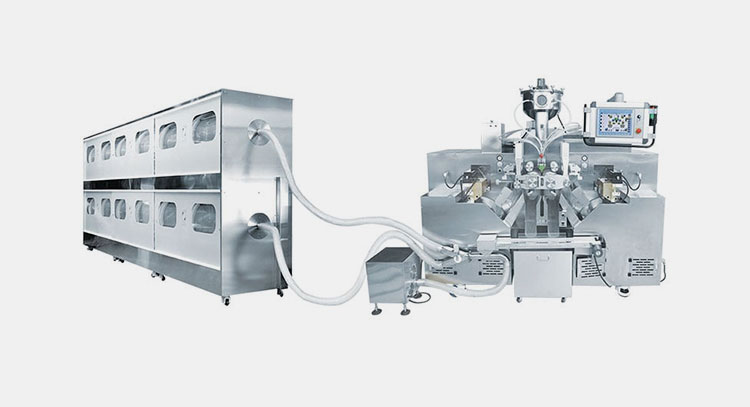
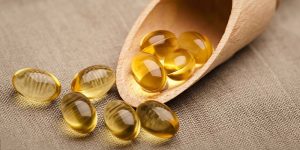
Softgel encapsulation machine equipment
I started my business with a small, old machine. It broke down every week. My workers were angry. I learned that good equipment is very important. You must buy machines that fit your needs.
The Main Machine
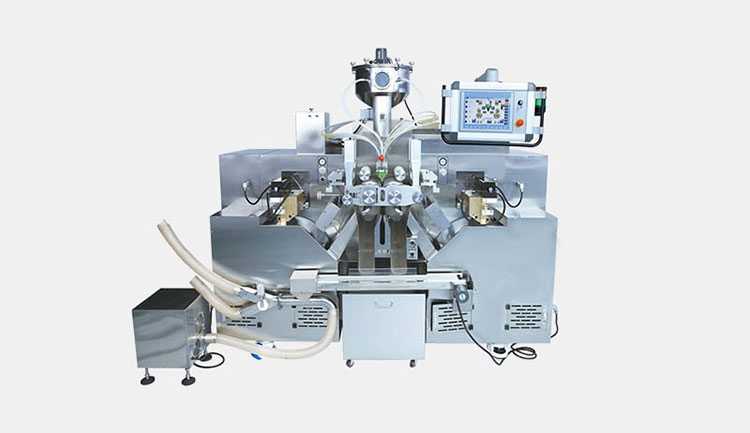
The encapsulation machine is the most important tool in the factory. It does many jobs at once. It makes the gel ribbon. It moves the fill liquid. It pushes the liquid into the gel. It cuts and seals the capsule.
You must buy a machine that is easy to use. I like machines that let me change molds quickly. The machine must have a good computer control system. It must meet CE and cGMP standards. These standards keep the medicine safe.
Extra Factory Tools
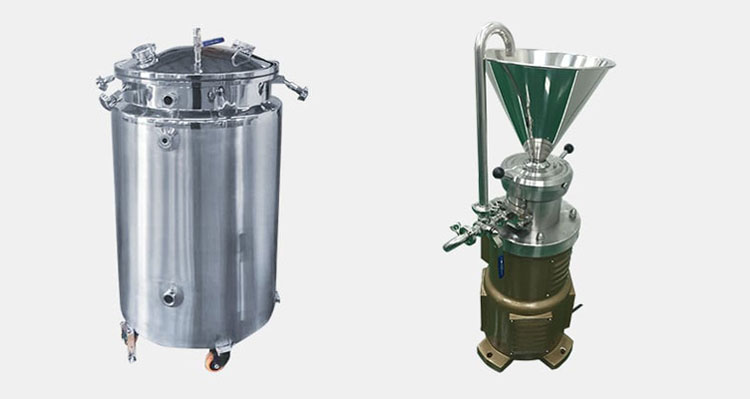
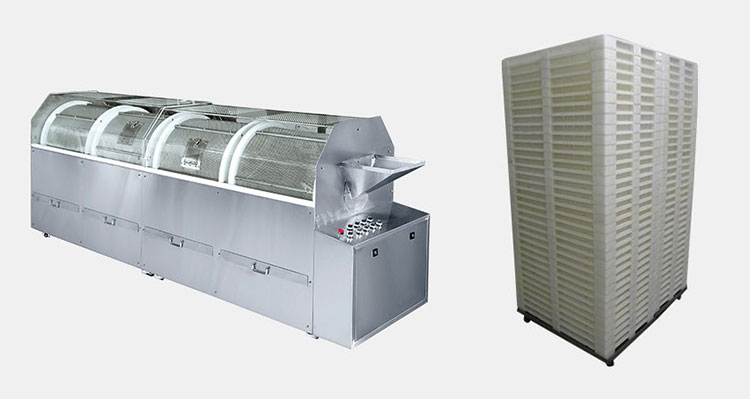
You cannot make softgels with just one machine. You need a whole line of tools.
| Machine Name | Job Description |
| Melting Tank | Heats and mixes the gelatin |
| Vacuum Mixer | Mixes the fill liquid |
| Colloid Mill | Grinds solid parts for suspensions |
| Tumble Dryer | Removes early water from capsules |
| Sorting Machine | Removes bad capsules |
You need a melting tank to heat and mix the gelatin. You need a vacuum mixer to prepare the fish oil. You need a colloid mill to grind solid parts. You need a tumble dryer to remove early water from capsules.
4.What are the steps in the softgel production process?
Do you feel lost in the factory? A messy process creates bad capsules. I will explain the four clear steps to make perfect softgels from start to finish.
The process has four steps. First, you prepare the gelatin solution in a heating tank. Second, you mix the fill matrix. Third, you encapsulate the product using a rotary die machine. Fourth, you dry, sort, and polish the capsules. You must control the temperature during all steps.
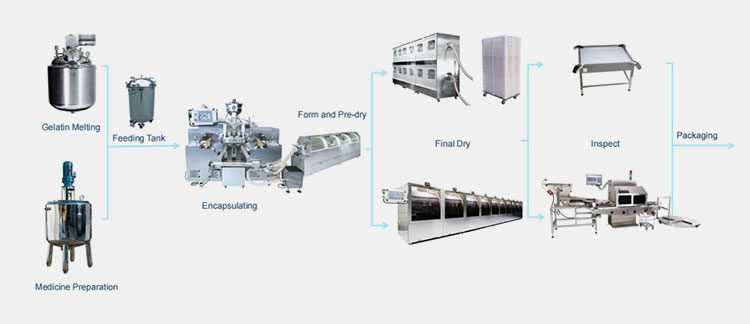
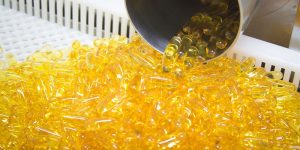
Softgel production process
I have spent many nights watching the production line. Every step must be perfect. If you make one mistake, the whole batch is ruined. I will break down the process for you.
Step 1 and 2: Preparation
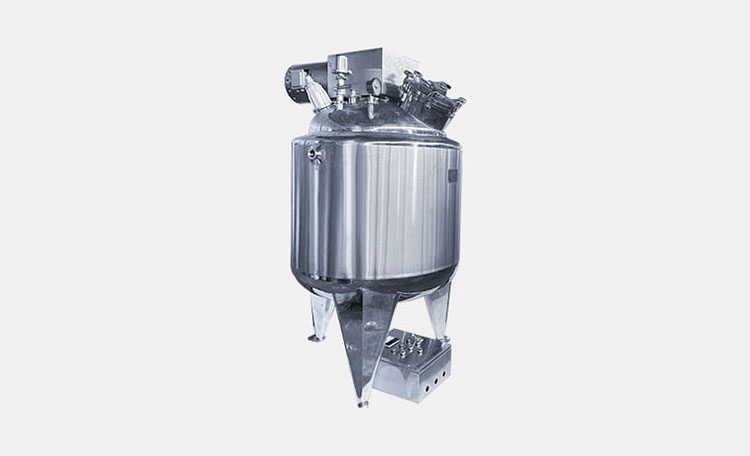
First, you make the gelatin solution. You mix gelatin, water, and plasticizers in a heating tank. You heat it for three hours. The mixture melts completely. You must keep it warm. It flows to a cooling drum to make flat ribbons. Second, you make the fill matrix. Fish oil is easy. You just pump it into the tank.
Step 3: Encapsulation
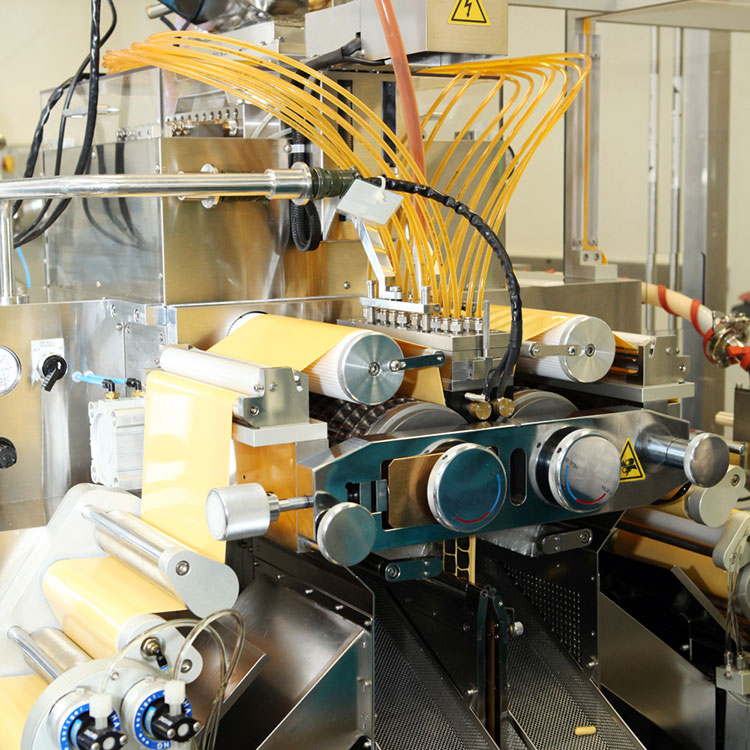
Third, you start the encapsulation. The machine makes two flat gelatin ribbons. The ribbons move into the tooling system. An injection wedge sits between two die rolls. The wedge heats up. It pumps the fish oil into the space between the ribbons.
The die rolls press together. They decide the size and shape of the capsule. They cut and seal the capsule at the same time. Most factories use this rotary die process.
Step 4: Finishing
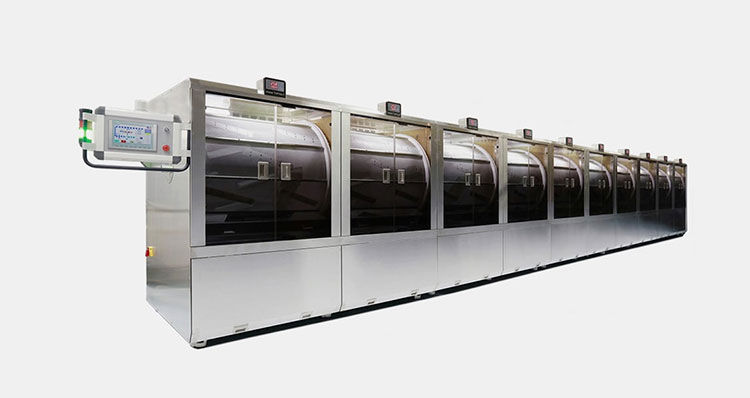
Fourth, you must dry the wet capsules.
| Drying Step | Tool | Time |
| First Dry | Tumble Dryer | Fast (removes 25% water) |
| Second Dry | Drying Tunnel | 24 hours or more |
You put them in a tumble dryer first. This removes 25% of the water. Then you put them in a drying tunnel for 24 hours. After drying, I sort the capsules. I check the weight, the seal, and the moisture. I throw away the ugly ones. Finally, I polish them to make them shine.
Conclusion
Are inconsistent ribbon thickness or structural seal leaks compromising your softgel batch yields? We invite you to submit your lipid matrix formulations to Request a Free Material Feasibility & Encapsulation Test, allowing AIPAK’s fluidic engineering specialists to optimize your hot-melt parameters for seamless, high-speed production today.
FAQ
References
1.Codex Alimentarius Standard for Named Vegetable Oils (CXS 210) —— Food and Agriculture Organization (FAO) / World Health Organization (WHO) Guidelines
2.Gelatin Rheology and the Physics of Rotary Die Softgel Encapsulation —— ScienceDirect / Journal of Food Engineering
3.Oxidative Stabilization of Omega-3 Polyunsaturated Fatty Acids in Gelatin and Plant-Based Soft Capsules —— ScienceDirect / International Journal of Pharmaceutics
4.Mechanistic Evaluation of Plasticizer Migration and Age-Deformation in Soft Gelatin Shell Matrices —— Journal of Pharmaceutical Sciences
5.Advanced Encapsulation Engineering: Volumetric Dosing Accuracy and Thermal Sealing Dynamics of Rotary Die Systems—— Pharma Manufacturing Technology Review
Don't Forget To Share Article!

Bessie
Technical Content Strategist & Pharmaceutical Industry Analyst at AIPAK
Bessie is a senior technical content strategist at AIPAK, specializing in parsing complex pharmaceutical engineering workflows, solid dosage manufacturing data, and cleanroom design compliance. Working directly alongside frontline sales engineers and onsite technicians, she excels at translating raw field data into actionable technical playbooks for global pharma buyers. Bessie leverages her deep understanding of international regulatory standards—including FDA cGMP (21 CFR Part 211) and ISPE engineering guides—to ensure AIPAK’s localized facility layout solutions are structured, traceable, and fully optimized for maximum operational ROI.
Softgel Encapsulation Machine Related Posts




Softgel Encapsulation Machine Related Products
Softgel Encapsulation Machine Related Videos
CONTACT US
Tell us your raw material and project budget to get quotations within 24 hours.
WhatsApp Us: +86 181 7101 8586

Want the best price & newest pharmaceutical machinery buying guide,tips and trends sent straightly to your box?Sign up for Aipak’s monthly newsletter,we’re free for your consultation and Offer you the most suitable solutions!
The Buyer's Guide
- Capsule Filling Buyer's Guide
- Blister Packaging Buyer's Guide
- Tablet Counting Buyer's Guide
- Tube Filling Buyer's Guide
- Cartoning Buyer's Guide
- Gummy Making Buyer's Guide
- CO2 Extraction Buyer's Guide
- Empty Capsules Buyer's Guide
- Suppository Filling Buyer's Guide
- Tablet Coating Buyer's Guide
- Tablet Press Buyer's Guide
- Softgel Encapsulation Buyer's Guide
Most Popular
- 7 Importance Of Pharmaceutical Packaging In Different Applications You Must Know
- 6 Advantages You Must Know About Tablet Counting Machine
- 8 Advantages of Blister Packaging You Must Know
- 6 Critical Applications of Automatic Capsule Filling Machine
- 6 Stations You must Know to Improve the Filling Quality of Automatic Capsule Filling Machine