
Liquid Dose Infrastructure Engineering: Custom High-Precision Syrup Filling Line Solutions for Middle Eastern Regulatory Excellence
Deploying high-velocity parenteral solid-liquid filling infrastructures requires rigorous kinematic validation and compliance mapping, as varying syrup densities and brittle amber glass topographies introduce severe structural degradation risks during mass transit.
To satisfy strict international pharmaceutical regulations and achieve zero-capillary breakage, production trains must synchronize full-servo drive technologies with active visual inspection matrices.
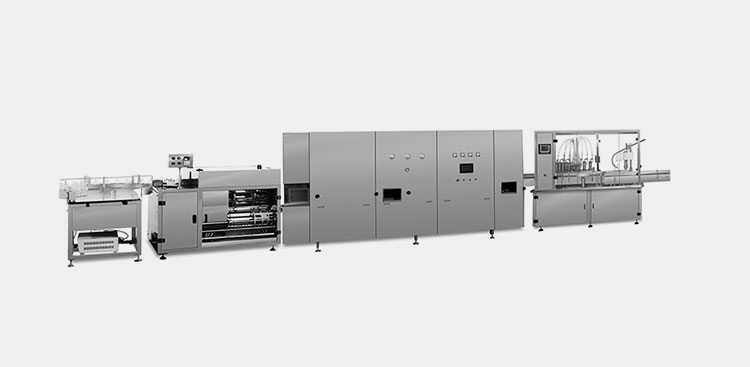
High-precision syrup filling line
This strategic engineering review chronicles the collaborative blueprints and operational milestones executed for a tier-one pharmaceutical manufacturer in the Middle East, demonstrating how AIPAK’s fully integrated liquid dose arrays stabilize multi-format bottle handling and maximize overall asset deployment efficiency.
1.Why Are Amber Glass Bottles So Difficult to Handle in Syrup Filling?
Breaking glass and spilling sticky syrup ruin production lines. If your machine cannot handle amber glass gently, you will face costly downtime and huge product waste.
Handling amber glass bottles requires exact bottle feeding and unscrambling parts. The equipment must fit different bottle shapes and heights without causing friction or breakage. This ensures a smooth move through the filling, capping, and labeling stages.
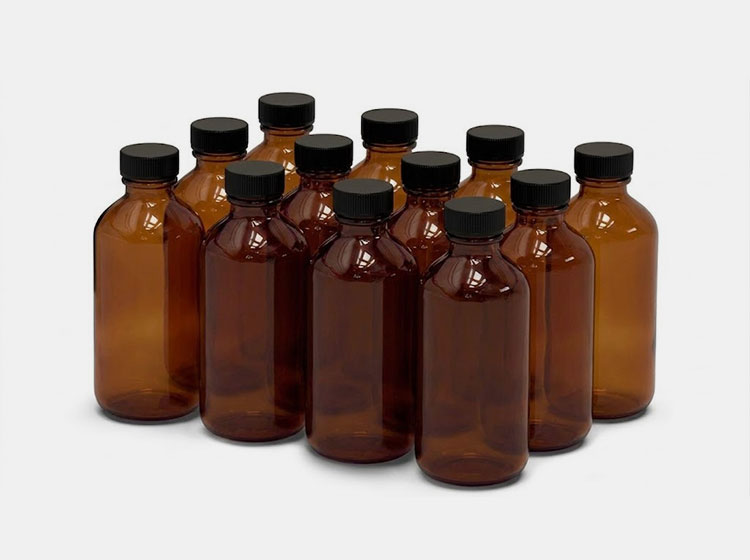
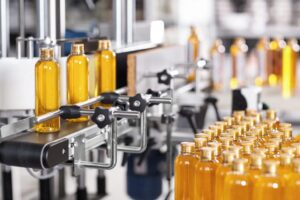
Amber glass bottle handling
Validating an automated filling array for three structural variations of amber glass containers relies heavily on minimizing structural shock and neutralizing frictional acceleration along the transport rail datum.
While actinic amber glass serves as a critical barrier against photochemical degradation, its high specific mass and brittle structural properties make it susceptible to mechanical stress failures under continuous high-speed infeed handling.
Operating standard linear lines with unpassivated star wheels induces high micro-fracture rates and material spillages. To mitigate this risk, AIPAK engineered a customized buffer conveyor configuration integrated with soft-contact, precision-milled star wheels and synchronized guide matrices, enabling toolless format changeovers between variable bottle heights within minutes while enforcing absolute line stabilization.
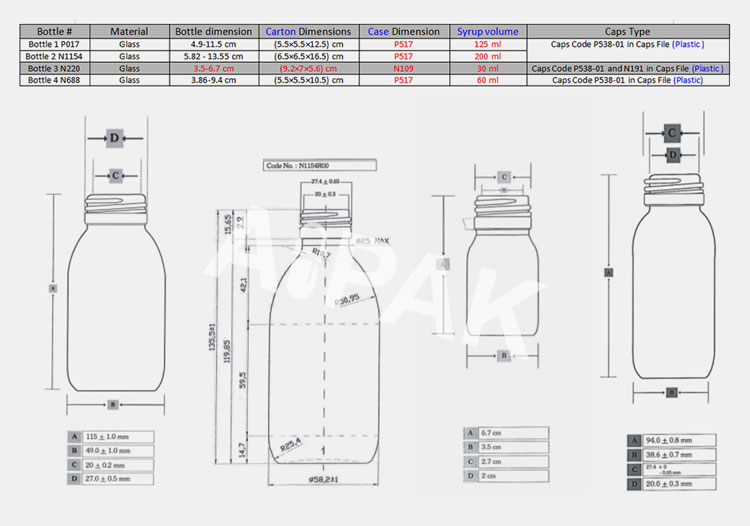
We spent a long time designing the bottle feeding parts. We used special star wheels and guides to hold the glass safely.
I had to make sure the machine could switch between the three bottle sizes quickly.Changing parts on the machine should not take hours. It should take minutes. This is very important for a factory that makes different products every day.
| Bottle Size | Main Problem | Our Solution |
| Small | Bottles fall over easily | Custom star wheel for tight support |
| Medium | High speed causes glass rubbing | Smooth guide rails with soft materials |
| Large | Heavy weight slows down the line | Stronger motor drive for steady movement |
This table shows how we solved the glass handling problems. We made sure every bottle moves safely and quickly through the whole machine.
2.How Did We Achieve Exact Dosing for Different Syrup Densities?
Wrong filling volumes lead to rejected batches and big fines. When you deal with different syrup densities, standard syrup filling machines often fail to give the right amount.
Handling wide viscosity spectrums—ranging from low-density aqueous carriers to highly viscous, non-Newtonian syrup bases—precludes the use of legacy pneumatic cylinders due to volumetric drift under pressure changes.
AIPAK integrates a complete multi-axis closed-loop servo drive filling matrix, granting operators full HMI parameter control over piston stroke velocities and target fill volumes. This system is paired with automated anti-drip nozzle assemblies executing localized fluidic suck-back indexing, completely eliminating product capillary migration onto bottle neck threads to secure optimal container closure integrity.
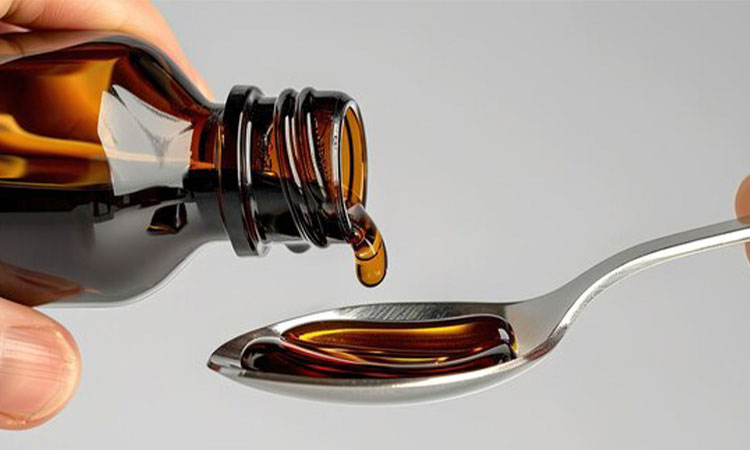
Exact dosing for syrup densities
The Middle Eastern client had another big problem. They make many types of syrup. Some syrups are very thick. Some are very thin. The density of the liquid changes the way it flows.
In our talks over a whole year, we changed our technical plans and drawings dozens of times. The client wanted very high filling accuracy.
We decided to use a full-servo filling system. A normal machine uses air cylinders. Air cylinders are not very exact. A servo motor gives you complete control over the filling speed and volume. You can type the numbers into the screen. The machine does exactly what you want.
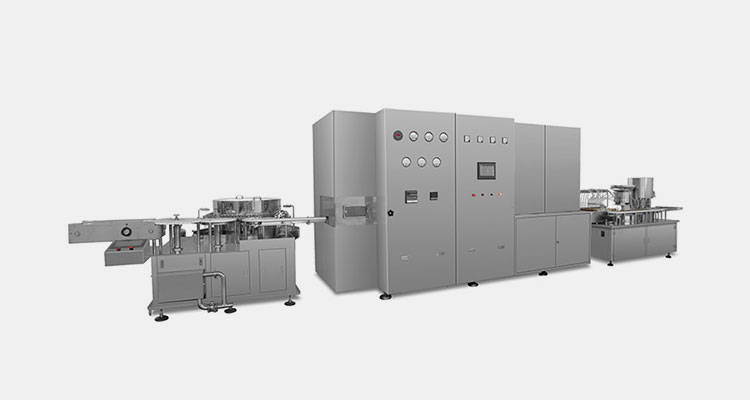
Full-servo filling system
We also designed a special anti-drip filling head. Syrup is very sticky. If one drop falls on the outside of the bottle, the cap will not close well. The label will not stick. The bottle will look dirty. Our anti-drip nozzle pulls the liquid back up slightly after filling. This keeps the bottle perfectly clean.
| Liquid Type | Flow Speed | Filling Technology Used |
| Thin Syrup | Fast | Servo motor with slow stop |
| Thick Syrup | Slow | High pressure servo push |
| Sticky Liquid | Medium | Anti-drip nozzle with suck-back |
This design makes sure the factory can run any syrup product. They do not need to worry about wrong volumes or dirty bottles.
3.What Makes a Complete Packaging Line Pass Strict Vision Inspection?
A bad label can cause a huge product recall. If your labeling machine lacks smart checking, you risk sending the wrong medicine information to sick patients.
A complete packaging line uses vision inspection cameras on the labeling machine to check label placement, barcodes, and text. If the system sees a missing or wrong label, it automatically pushes the bad bottle off the line to keep strict rules.
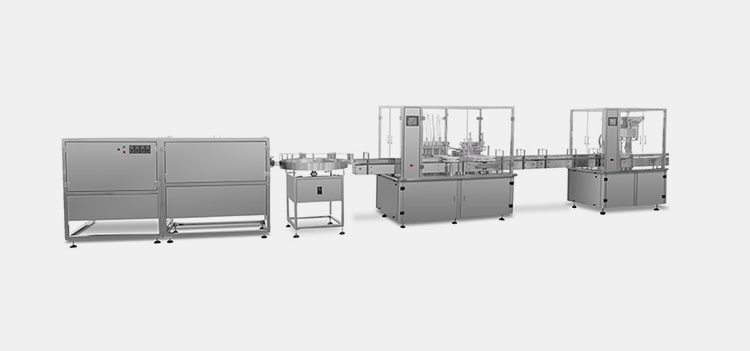
Complete packaging line vision inspection
Our project grew bigger as we talked. At first, I only gave a price for a single filling line. Later, the client asked us to match a complete packaging line. We had to plan how to put the cartoning machine into the factory layout. Every detail was checked again and again.
During factory acceptance testing (FAT) executed at our production facility, the client’s technical steering committee validated an integrated high-speed packaging array operating under real-time conditions.
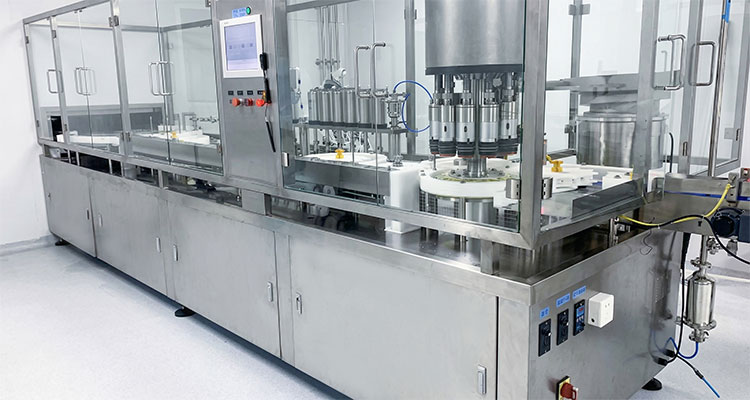
The downstream configuration embeds high-resolution vision inspection cameras into the sticker labeling unit to execute optical character recognition (OCR) and barcode tracking, triggering automatic pneumatic rejection profiles for non-compliant units.
In accordance with localized Middle Eastern validation requirements, the finalized line layout incorporates specific engineering optimizations, including mirror-polished ceramic pump housings, vertically flush glass door framing, and dedicated 1.5-meter gaps to accommodate serialized coding cameras.
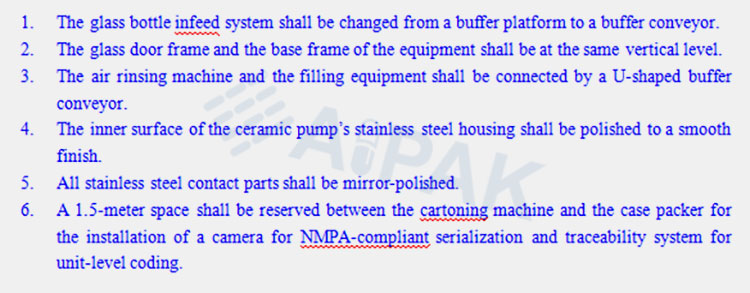
Ideals from our client
The client was very happy when they saw this. They also gave us some good ideas to improve our existing equipment. We agreed on the final price and signed the technical confirmation papers.
| Packaging Step | Equipment Used | Quality Control Method |
| Filling | Servo Filler | Weight check system |
| Capping | Rotary Capper | Torque control check |
| Labeling | Sticker Labeler | Smart vision camera |
| Boxing | Cartoning Machine | Missing paper check |
Building a full line means every machine must talk to the others. The vision camera acts like the eyes of the whole system.
4.Why Did the Signed Technical Agreement Not Turn Into an Immediate Order?
You sign the technical papers, but the order does not come. Waiting for months makes you worry about losing the big project to new competitors.
A delayed order often happens because the client is building a new factory or cleanroom. Pharmaceutical buildings take a long time to finish. The delay is usually about facility readiness, not about your filling equipment or your price.
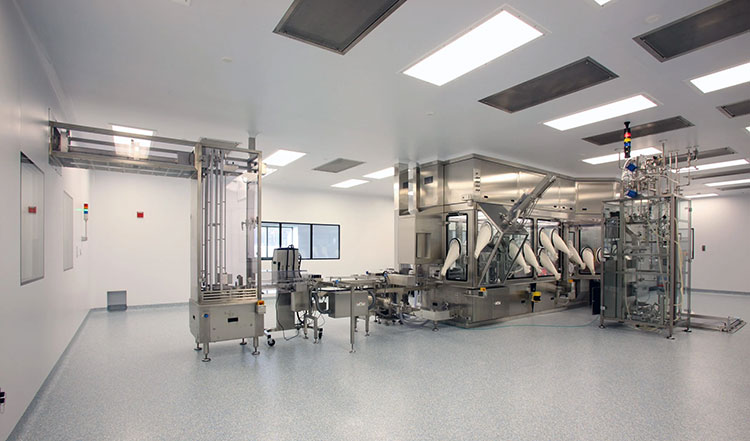
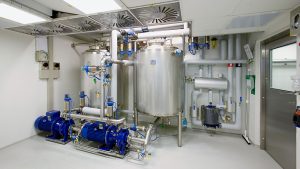
Pharmaceutical factory cleanroom construction
In large-scale cross-border pharmaceutical equipment procurement, extended gaps between technical agreement finalization and commercial capital deployment frequently mirror facility readiness cycles rather than structural configuration bottlenecks.
Local project audits executed during a regional pharmaceutical symposia in the Middle East confirmed that our client's facility lifecycle was advancing through structural steel frame construction and cGMP cleanroom environmental casing installation. Continuous commercial alignment during this pre-commissioning phase reinforces strategic trust and ensures seamless alignment between line delivery schedules and cleanroom certification timelines.
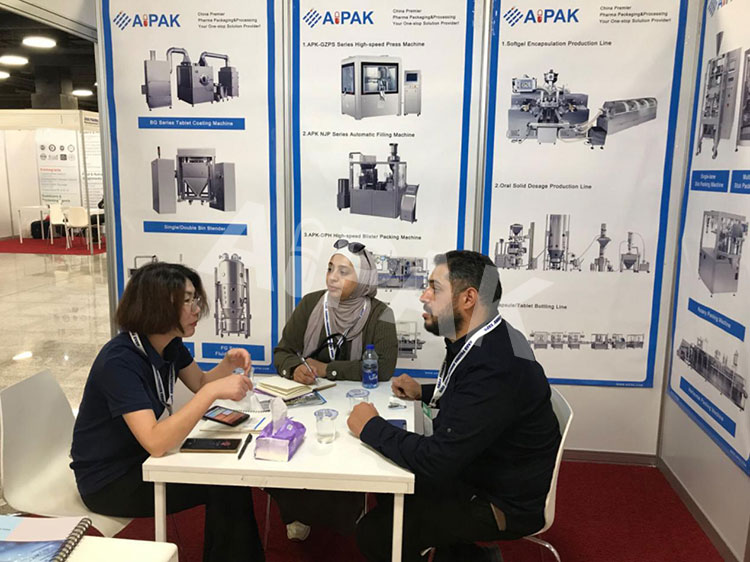
They were very warm and welcoming. They took me into their office and showed me their current factory. Then, they showed me something else.
Not far away, they were building the steel frame of a brand new factory. They told me they still need to build the dust-free cleanrooms inside. This takes a very long time. I finally understood.
The delay was not because they disliked our machines. It was because their building was not ready. I met the boss of the company. He told me they just need more time. When the new factory is ready, they will buy the syrup line we designed.
| Project Stage | Client Action | Our Action |
| Technical Talk | Ask for many changes | Update drawings dozens of times |
| Factory Visit | Test the machines | Show high speed running |
| Waiting Period | Build new factory frame | Visit client in Middle East |
| Final Step | Finish cleanroom | Deliver the filling line |
This trip taught me a big lesson. In the pharmaceutical equipment business, you must have patience and trust your clients.
Conclusion
Building a high-precision syrup filling line takes time, smart engineering, and deep trust. We solve hard problems with servo motors and vision cameras to help global clients succeed.
References
1.FDA Guidance for Industry: Liquid Oral Dosage Forms - Container Closure and Manufacturing Controls —— U.S. Food and Drug Administration (FDA)
2.ISPE Baseline Pharmaceutical Engineering Guide: Volume 3 - Sterile and Non-Sterile Liquid Process Automation —— International Society for Pharmaceutical Engineering (ISPE)
3.Kinematic Shock Mitigation and Material Science of Glass Container Transport in High-Speed Packaging Lines —— Journal of Process Mechanical Engineering
4.Optical Character Recognition and Automated Vision Inspection Matrices for Cross-Border Traceability Compliance —— Advanced Automation Compendium
Don't Forget To Share Article!
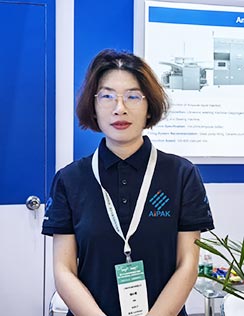
Bessie
Technical Content Strategist & Pharmaceutical Industry Analyst at AIPAK
Bessie is a senior technical content strategist at AIPAK, specializing in parsing complex pharmaceutical engineering workflows, solid dosage manufacturing data, and cleanroom design compliance. Working directly alongside frontline sales engineers and onsite technicians, she excels at translating raw field data into actionable technical playbooks for global pharma buyers. Bessie leverages her deep understanding of international regulatory standards—including FDA cGMP (21 CFR Part 211) and ISPE engineering guides—to ensure AIPAK’s localized facility layout solutions are structured, traceable, and fully optimized for maximum operational ROI.
Syrup Filling Machine Related Products
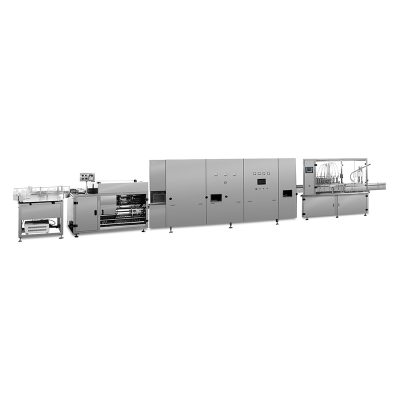
Syrup Filling Machine Related Posts






Syrup Filling Machine Related Videos
CONTACT US
Tell us your raw material and project budget to get quotations within 24 hours.
WhatsApp Us: +86 181 7101 8586

Want the best price & newest pharmaceutical machinery buying guide,tips and trends sent straightly to your box?Sign up for Aipak’s monthly newsletter,we’re free for your consultation and Offer you the most suitable solutions!
The Buyer's Guide
- Capsule Filling Buyer's Guide
- Blister Packaging Buyer's Guide
- Tablet Counting Buyer's Guide
- Tube Filling Buyer's Guide
- Cartoning Buyer's Guide
- Gummy Making Buyer's Guide
- CO2 Extraction Buyer's Guide
- Empty Capsules Buyer's Guide
- Suppository Filling Buyer's Guide
- Tablet Coating Buyer's Guide
- Tablet Press Buyer's Guide
- Softgel Encapsulation Buyer's Guide
Most Popular
- 7 Importance Of Pharmaceutical Packaging In Different Applications You Must Know
- 6 Advantages You Must Know About Tablet Counting Machine
- 8 Advantages of Blister Packaging You Must Know
- 6 Critical Applications of Automatic Capsule Filling Machine
- 6 Stations You must Know to Improve the Filling Quality of Automatic Capsule Filling Machine
 Tell us your material or budget, we'll reply you ASAP within 24 hours