How to Ensure Uniform Moisture Distribution in Granulation: A Complete Guide for Pharma Manufacturers?

Do you struggle with capping, sticking, or unstable tablet weights? The hidden culprit is often uneven moisture distribution in your granules, which ruins the quality of your final solid dosage product.

To ensure consistent moisture, you must control four stages: atomizing binders during granulation, using fluid bed drying for uniform heat, performing a final blend to equalize variations, and maintaining strict environmental humidity. This prevents defects and ensures high-quality solid dosage production.**

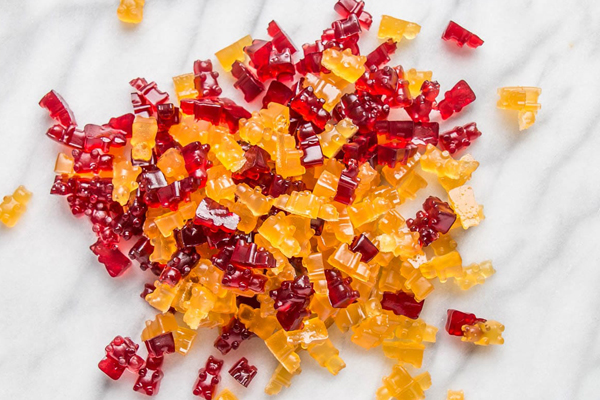
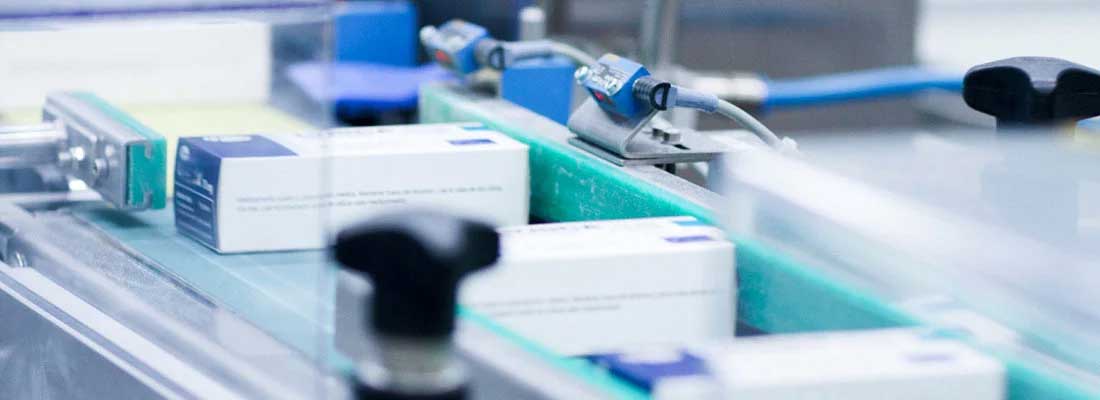
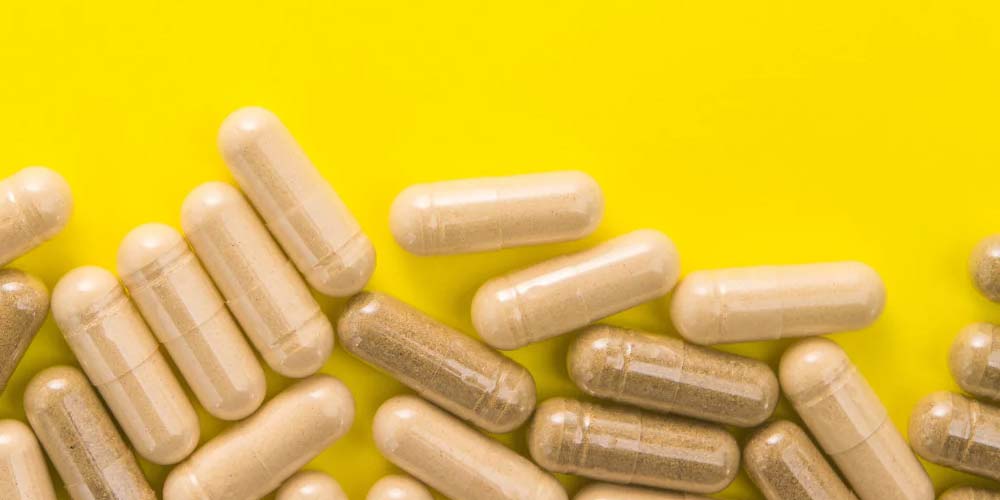
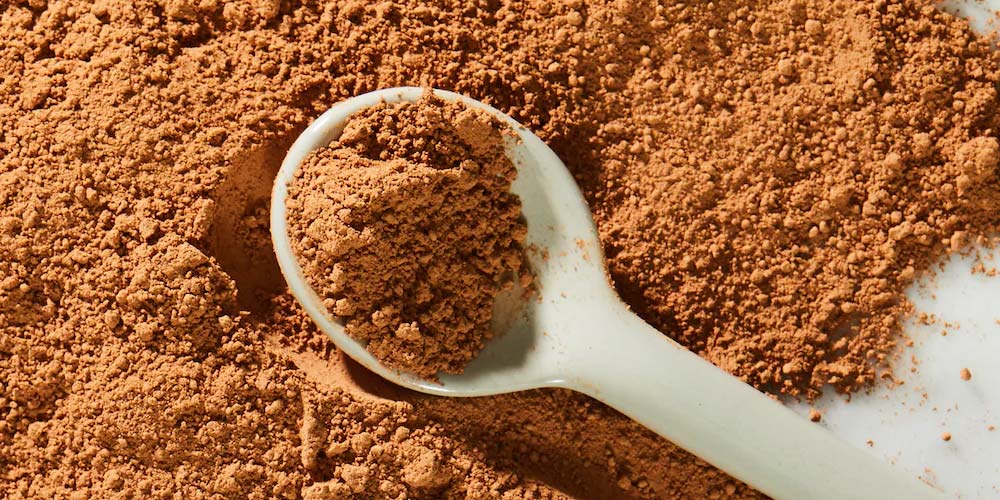
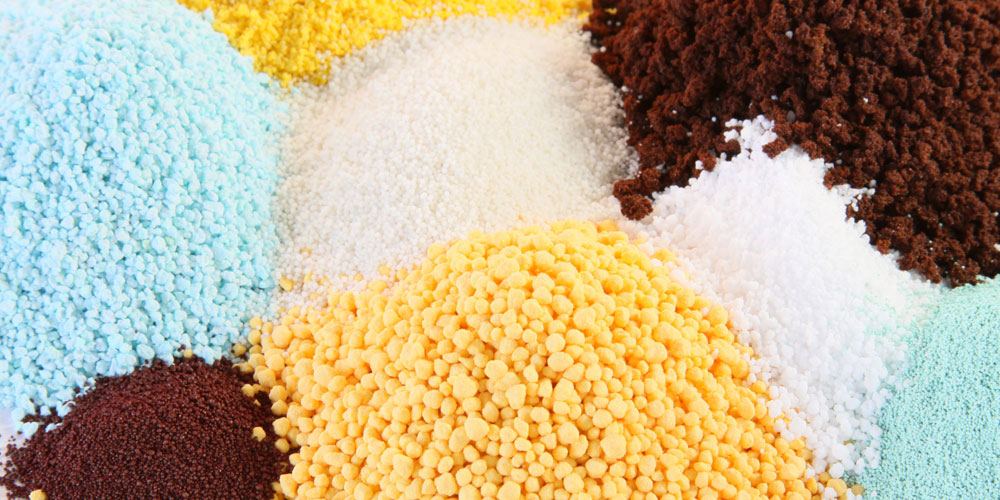
Uniform granules close up

Uniform granules close up

Many manufacturers ignore these details. They think that if the dryer is running, the job is done. But true uniformity starts much earlier and ends much later. I have seen many production lines fail because they missed simple steps in the process.

We at AIPAK have spent 10 years optimizing these systems. Let me share my experience on how to fix this problem completely and ensure your batch is perfect every time.

1.How Can You Stop Moisture Issues at the Granulation Source?

If you dump liquid directly into powder, you create wet lumps. This mistake ruins your batch before drying even starts, leading to granules that are wet inside and dry outside.

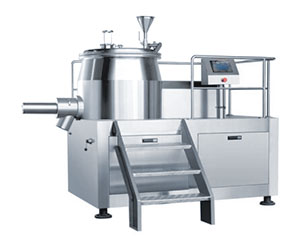
You must atomize the binder using spray guns while mixing. This ensures every powder particle gets wet evenly. Using high-shear or fluid bed granulation equipment guarantees the material rolls and mixes thoroughly, preventing local wet spots and dry centers.

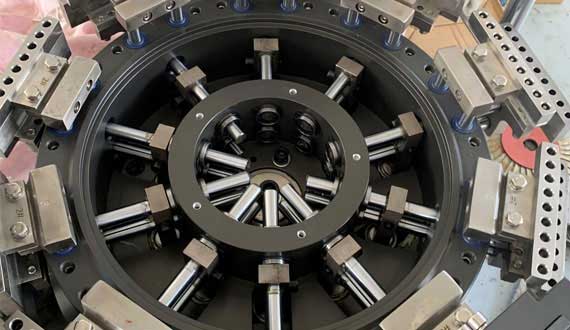
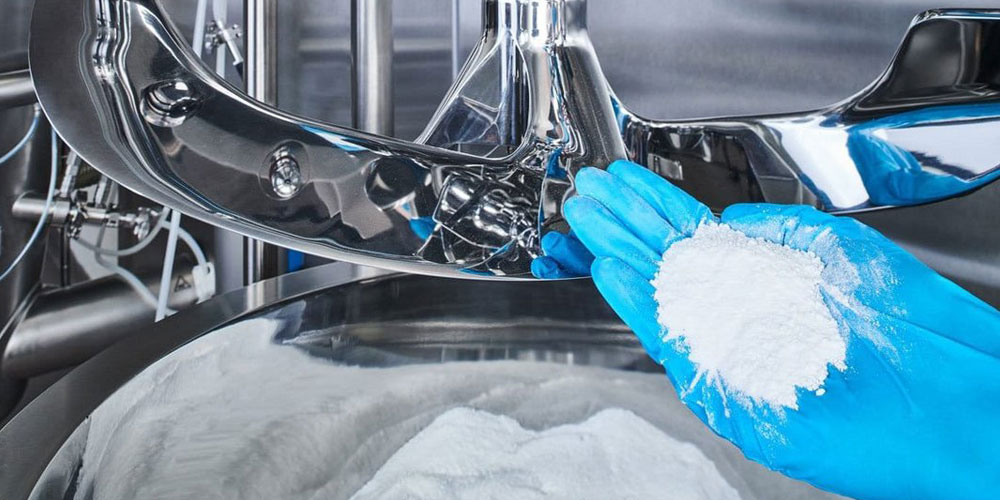
High shear mixer granulator internal view

High shear mixer granulator internal view

We need to look closely at the granulation stage. This is where moisture enters the process. If you do not control it here, you cannot fix it later. Based on my experience with AIPAK high shear mixer granulators, the method of adding the binder is the most important factor.

You should never pour the binder directly into the pot. This creates "puddles." These puddles become hard, wet lumps. Instead, you must use a spray gun. The spray gun turns the liquid into a fine mist. This mist covers the powder evenly. At the same time, the machine must run at high speed. The bottom impeller lifts the powder. The side chopper breaks the lumps. This mechanical action forces the moisture to spread.

You also need to check your materials before you start. Some powders absorb water fast. Others do not. If you have a mix of these, you must premix them very well. If you do not, the absorbent powder will take all the water. The other powder will stay dry.

Here is a simple checklist for the granulation stage:

Checkpoint Correct Action Why it Matters
Binder Addition Use a spray nozzle/atomizer Prevents local wet lumps and dry spots
Mixing Speed High speed with chopper engaged Ensures mechanical dispersion of liquid
End Point "Soft Material" test Granules should clump in hand but break easily
Pre-treatment Premix uneven materials Balances absorption rates across ingredients

When you open the granulator, look at the material. It should have a consistent color. If you see white spots, those are dry powders. If you see dark spots, those are wet lumps. You must mix until the color is the same everywhere.

2.Why Is the Drying Method Critical for Moisture Uniformity?

Using a tray dryer often leads to uneven results. The outside dries, but the inside stays wet. This causes "false drying" and leads to problems during tableting.

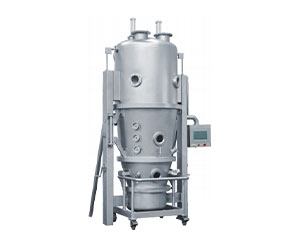
Fluid bed drying is the best choice. It suspends particles in air, ensuring every granule gets the same heat. If you use ovens, you must flip trays often. Always start with low heat to remove surface water, then increase temperature to dry the core.

Fluid bed dryer schematic

Fluid bed dryer schematic

Drying is the most critical stage. This is where most errors happen. I have visited many factories that use static drying ovens. The problem with ovens is that the heat hits the outside of the tray first. The material in the middle of the tray stays cool and wet. If you must use an oven, you have to work harder.

You must open the oven and flip the material. You must swap the top trays with the bottom trays. This takes a lot of time and labor.

This is why I always recommend Fluid Bed Dryers (FBD) for pharmaceutical production. In an FBD, the hot air comes from the bottom. It lifts the granules up. The granules float in the air. This is called "fluidization." Every single granule touches the hot air on all sides. The drying is very fast and very even.

However, you can still mess up with an FBD. You must control the temperature carefully. Do not start with high heat. If the air is too hot at the start, the outside of the granule dries instantly. It forms a hard shell. The water inside gets trapped. We call this "case hardening" or "false drying." Later, that water will come out and ruin your tablets.

You should follow this temperature strategy:

1.Start Low: Use lower temperatures and high airflow. This removes the surface water gently.

2.Ramp Up: Slowly increase the temperature to pull water from the core.

3.Avoid Over-drying:If you dry too much, the granules become brittle. They break into dust (fines). Dust absorbs moisture differently than granules. This creates unevenness again.

Comparison of Drying Methods:

Feature Fluid Bed Dryer Static Tray Dryer
Heat Contact 360-degree air contact Surface contact mainly
Uniformity Excellent Poor (requires manual mixing)
Risk of False Dry Low (if controlled) High
Drying Time Fast (Minutes) Slow (Hours)

3.How Does Final Blending Fix Remaining Moisture Variations?

Even with good drying, some spots in the batch will naturally be drier than others. Skipping the final blend leaves these slight inconsistencies in the mix.

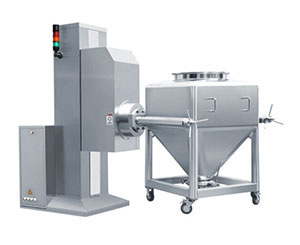
You must run a final mix using a bin blender or double-cone mixer for 10 to 20 minutes. This "pulls" the moisture levels together. Afterward, let the sealed batch sit for 30 minutes to allow the moisture to equilibrate between particles.

Bin blender mixing process

Many people think mixing is only for adding lubricants like magnesium stearate. This is wrong. The "Total Blend" or final mixing stage is a powerful tool for moisture control. Imagine you have a large batch of dried granules. Maybe the granules near the filter bag were slightly drier. Maybe the granules at the bottom were slightly wetter. If you go straight to the tablet press, your tablet weight will jump up and down.

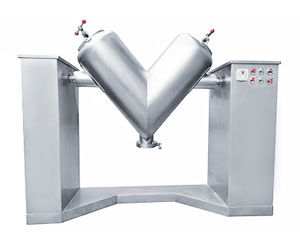
You need to put the whole batch into a mixer. At AIPAK, we recommend Bin Blenders or V-Blenders for this. You should run the mixer for about 10 to 20 minutes. This three-dimensional movement mixes the drier particles with the wetter particles.

But here is a secret tip that many people miss: **The Resting Time.**

After you mix, do not open the barrel immediately. Leave the granules sealed in the bin. Let them sit for 15 to 30 minutes. Why? Because moisture migrates. The water wants to be equal everywhere. If a wet granule touches a dry granule, the water moves. This resting time allows the batch to reach "equilibrium." It balances itself out naturally.

Also, pay attention to sieving. Before the final mix, you should pass the dried granules through a sieve or a cone mill. This breaks up any large clumps that might still be wet inside. If you leave big clumps, they will break open during compression and release moisture. This causes the granules to stick to the punch tooling.

Steps for Perfect Final Moisture:

1.Sieving:Break down large agglomerates.

2.Blending:Mix for 10-20 minutes in a closed container.

3.Resting:Wait 15-30 minutes for moisture migration.

4.Sealing:Keep it closed until the tablet press is ready.

4.How Do Environment and Rapid Testing Ensure Quality?

A humid production room can ruin your perfectly dried granules in minutes. Ignoring room conditions negates all your previous hard work and leads to sticky granules.

Keep your production room humidity between 45% and 60%. Store granules in sealed containers immediately. For a quick check, squeeze a handful of granules. They should form a clump but break easily, with no hard cores or sticky surfaces.

Digital hygrometer showing 50% humidity

Digital hygrometer showing 50% humidity

The environment is the final enemy. Dried granules are thirsty. They want to drink water from the air. If your room is too humid (high RH), the surface of the granules becomes sticky. If the room is too dry, the granules lose too much water and become static.

You must control the HVAC system. The standard recommendation is a Relative Humidity (RH) of 45% to 60%. If it rains outside, check your room sensors. Do not leave the granules in open drums. Use airtight lids with gaskets. Do not let fans blow directly on the material.

Finally, how do you know if you succeeded? You can send samples to the lab, but that takes time. You need a fast answer on the factory floor. I use a simple "Hand Test." It is not scientific, but it works very well for operators.

The Hand Test Procedure

1.Grab a handful:Take granules from the dryer or mixer.

2.Look:Is the color consistent? Are there any dark wet spots or white dry powder?

3.Squeeze:Close your hand tight. The granules should form a loose ball.

4.Push: Touch the ball gently with your thumb. It should crumble apart immediately.

Feel:Your hand should not feel sticky. The granules should not feel hard like stones.

If the granules pass this test, and you followed the machine settings I described, your moisture distribution is likely uniform. This saves you from downtime at the tablet press.

Environmental Control Summary:

Factor Danger Zone Safe Zone Result of Failure
Humidity >65% RH 45% - 60% RH Sticky granules, picking
Exposure Open Drums Sealed Containers Surface moisture absorption
Airflow Direct Fan Gentle HVAC Uneven drying/cooling

Conclusion

Uniform moisture prevents tablet defects. Control it by spraying binders, using fluid bed dryers, final blending, and managing room humidity. This guarantees stable, high-quality pharmaceutical production.

Granulator Machine Related Products

Granulator Machine Related Posts

Granulator Machine Related Videos

Everything You Wanted to Know About v-type mixer machine

New V type best quality powder granule mixer machine

How Blender Bin Changes Feeder Hopper?

CONTACT US

Tell us your raw material and project budget to get quotations within 24 hours.

WhatsApp Us: +86 156 0710 8630

Invalid Email
Invalid Number
Scroll to Top