# let's Grow Your Hand

Resources for Beginners In The Pharmaceutical Industry

We put all my pharmaceutical industry knowledge into this A to Z guide, helping you understand how to import, what’s the process, how to find the best pharmaceutical machineries, etc.

Through years' research & development,we do everything we can to provide you with professional & valuable pharmaceutical knowledge,hope you can benefit from here.

How Much Does It Cost to Invest A Pharmaceutical Plant

icapsulepack.com

THE POPULAR ARTICLE

Subscribe Us

Exclusive information and suggestions that I only provide with my private newsletter subscribers to help you lower your manufacturing and procurement expenses.

Something went wrong. Please check your entries and try again.

COLLECTION

EXPLORE KNOWLEDGE IN ALL PHARMACEUTICAL TOPICS

As one of the largest pharmaceutical equipment& packaging machinery manufacturers,we have accumulated rich knowledge of pharmaceutical equipment &packaging machinery technology,pharmaceutical business starup,import & export,and pharmaceutical industry trend.We want to share all these values here.

Choose any of the following topics that you are interested in to get started.

WE WILL LEAD YOU EVERY STEP UNTIL SUCCEED!

TRY AIPAK PHARMACEUTICAL EQUIPMENT & PACKAGING MACHINERY TO SEE THE MAGIC!

Sticky-Powders

How to Prevent Hopper Clumping in Single-Lane Stick Packaging Lines?
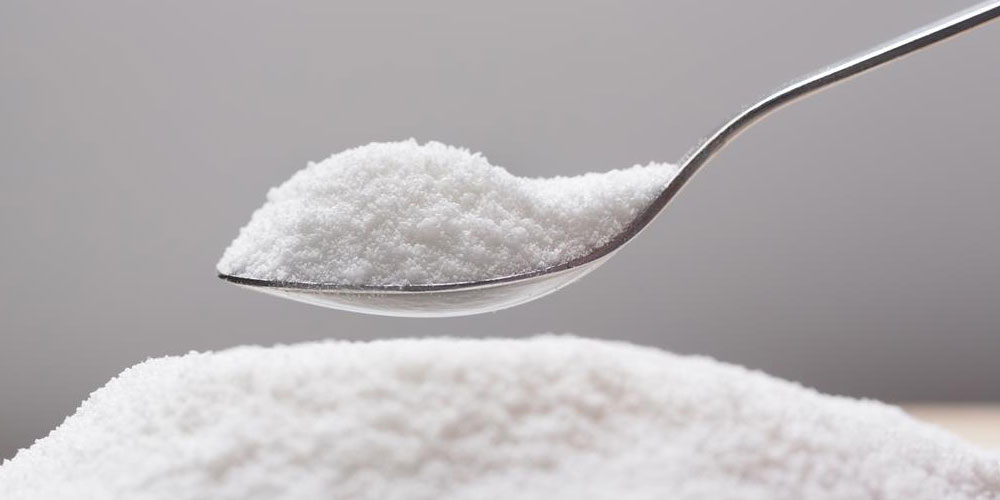
Packaging hygroscopic and cohesive powders in narrow stick packs introduces severe manufacturing bottlenecks, primarily driven by material bridging in the hopper, product clumping in the feeding tube, and stringent food safety material standards. In this technical implementation playbook, we examine how a customized single-lane vertical form fill seal (VFFS) stick packing machine (APK180) leverages a sanitary 316 stainless steel footprint, synchronized hopper agitation, and rotary auger feeding to achieve zero-clumping ...
Wet-Granulation

Pharmaceutical Wet Granulation Validation Protocol: From Dispensing to Blister Packaging
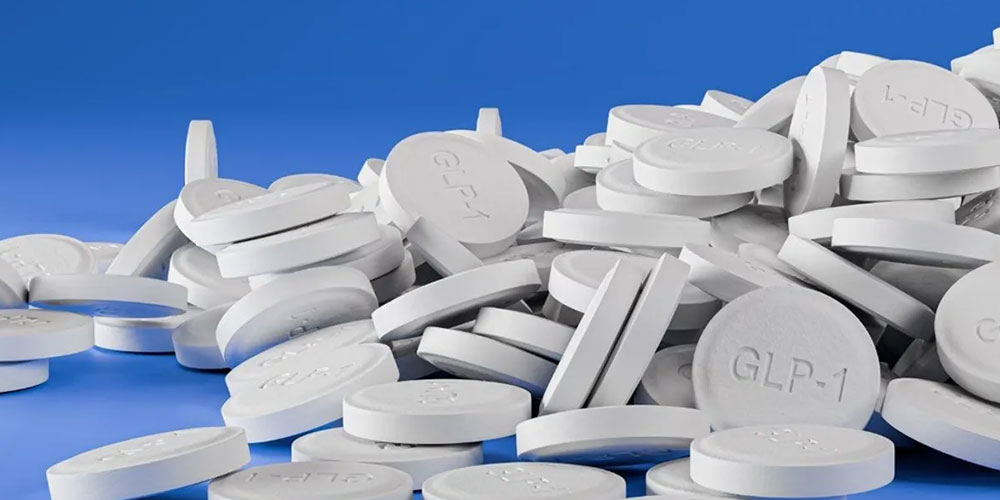
Executing a scientifically robust process validation protocol for solid dosage manufacturing is a mandatory regulatory prerequisite, requiring comprehensive challenge-testing of raw materials from initial dispensing to primary blister packaging. This definitive guide delineates the critical process parameters (CPPs) and critical quality attributes (CQAs) required to secure compliance, preventing batch heterogeneity, tableting capping, and film-coating delamination. Dispensing and weighing validation Let's audit the structural validation criteria and sampling methodologies aligned with ...
Decoding-Tablet-Compression

Tablet Compression Mechanics: Material Deformation & Formulation Guide
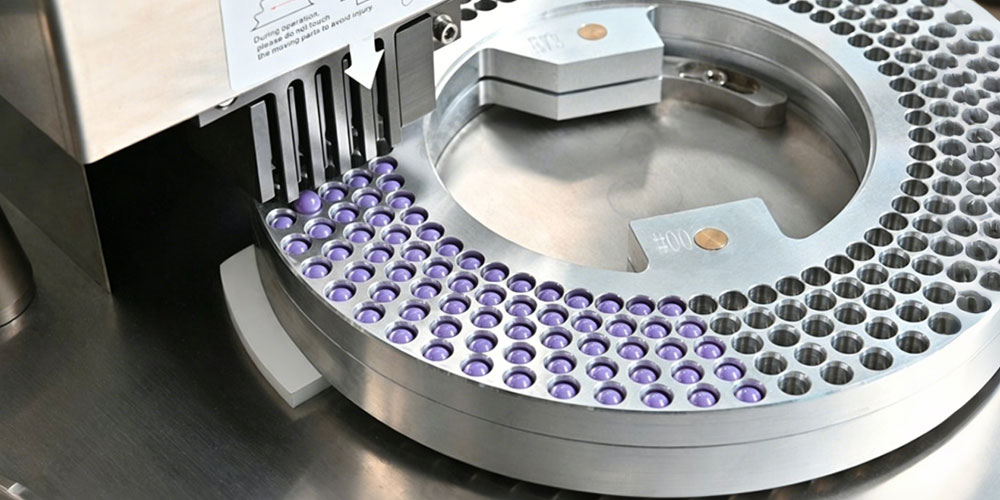
Optimizing solid dosage manufacturing mandates an exhaustive comprehension of compression physics, specifically governing how multi-component powder matrices transition under heavy load cells into cohesive, non-friable compacts. This engineering guide dissects the tri-phasic mechanisms of powder consolidation, evaluates the mechanical behaviors of brittle vs. plastic excipients via the Heckel equation, and provides empirical solutions to suppress capping and picking. Tablet compression process Let's audit the particle rearrangement variables, moisture plasticization dynamics, ...
Semi-Auto-Capsule-Filling-Machine-Outperforms-for-Sticky-Powders

Semi-Auto vs. Full-Auto Encapsulation: Resolving Sticky Powder Fill Weight Deviations
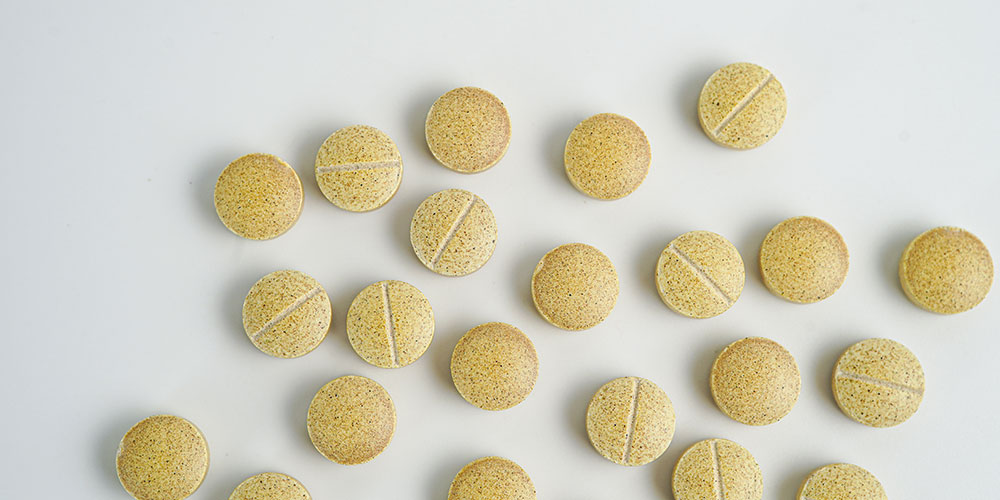
In solid dosage production, handling hygroscopic, cohesive, or highly viscous formulations introduces severe processing challenges that standard automatic tamping-pin or dosator setups fail to mitigate. While fully automatic capsule fillers deliver unparalleled throughput for free-flowing granulates, their rapid, enclosed mechanical cycles inherently struggle under the stress of powder bridging and mechanical clogging. This technical evaluation contrasts high-speed automatic dosing matrices with the operational dynamics of a Double-Head Semi-Automatic Capsule Filling ...
Tablet-Formulations

Tablet Tooling Selection Criteria for Cohesive and Abrasive Formulations

Executing continuous, high-speed solid dosage compression requires matching the specific rheological and chemical traits of a formulation with precise metallurgical profiles and mechanical parameters. Volatile active pharmaceutical ingredients (APIs)-ranging from abrasive minerals to low-melting organics and corrosive organic acids-frequently bypass standard compaction thresholds, triggering catastrophic tableting defects such as capping, picking, and rapid die wear. Tablet compression problems capping sticking This technical engineering reference manual bypasses abstract formulation theories to ...
Fish-Oil-Softgel-Manufacturing

Fish Oil Softgel Encapsulation: Thermal Gelatin Mechanics and Matrix Stability

Optimizing high-speed fish oil softgel encapsulation demands a synchronized control over mass transfer, cross-linking kinetics, and fluid rheology. The seamless synthesis of an elastic gelatin ribbon matrix with a highly hydrophobic, polyunsaturated fatty acid (PUFA) fill requires strict thermal stabilization to prevent severe structural leaching, micro-leaks, and oxidative rancidity. This manufacturing manual provides explicit engineering criteria for softgel output, detailing the chemical interactions of 150-200 Bloom bovine/tapioca polymers, plasticizer-to-dry-gelatin mass ...
TCM-extract-tableting-problems-1

Tableting Fibrous TCM Extracts: Tooling Geometry & Elasticity Mitigation

Compacting Traditional Chinese Medicine (TCM) botanical extracts poses severe operational challenges due to the high elastic recovery, low bulk density, and anisotropic fibrous matrices inherent in natural plant cellular structures. When subjected to dynamic load compression, these natural fibers accumulate massive internal strain energy, triggering catastrophic capping, lamination, and tool adherence upon upper punch retraction. This technical protocol delineates the process stabilization parameters required to domesticate fibrous herbal powder, evaluating ...
Hard-Capsule-Liquid

How to Solve High-Viscosity Challenges in Curcumin Liquid Capsule Filling: A Case Study from Canada

Scaling the automatic encapsulation of high-viscosity curcumin liquid formulations presents severe engineering challenges, as standard fluid matrices tend to clog non-heated pumps and solidify rapidly under ambient cleanroom temperatures. To systematically eliminate daily manufacturing downtime, AIPAK deploys specialized jacketed thermal storage systems, continuous inline insulated piping heat tracing, and heavy-duty mechanical plunger pumps. Curcumin liquid capsule filling machine This technical case study details the successful process validation and structural integration ...
Scroll to Top