
NJP-2500D Automatic Capsule Filling Machine Case Study: Overcoming Hydrophobic Powder Flowability and Volumetric Accuracy Challenges
In the pharmaceutical industry, the equipment brand is often seen as a guarantee of quality. But what happens when even a world-class machine—such as a Bosch capsule filler—struggles with a specific material?
Recently, an Austrian pharmaceutical manufacturer approached us with a persistent issue. Their facility was equipped with high-quality Bosch capsule machines, which were in excellent condition. However, they faced a recurring reality: poor powder flow and unstable filling accuracy.
What followed was a 5-month technical journey that proves why technical honesty is more valuable than any brand name.
1.Diagnosis Before Prescription: The 2-Month Technical Deep Dive
In high-capacity oral solid dosage (OSD) encapsulation, raw material rheology shifts standardly represent the primary bottleneck limiting volumetric dosing stability.
An application analysis initiated for an Austrian pharmaceutical enterprise demonstrated that severe weight variation non-conformance was driven by interparticulate cohesion variables and high hygroscopicity within the specialized active pharmaceutical ingredient (API) matrix, rather than localized tracking mechanical failure along the legacy European processing platform.
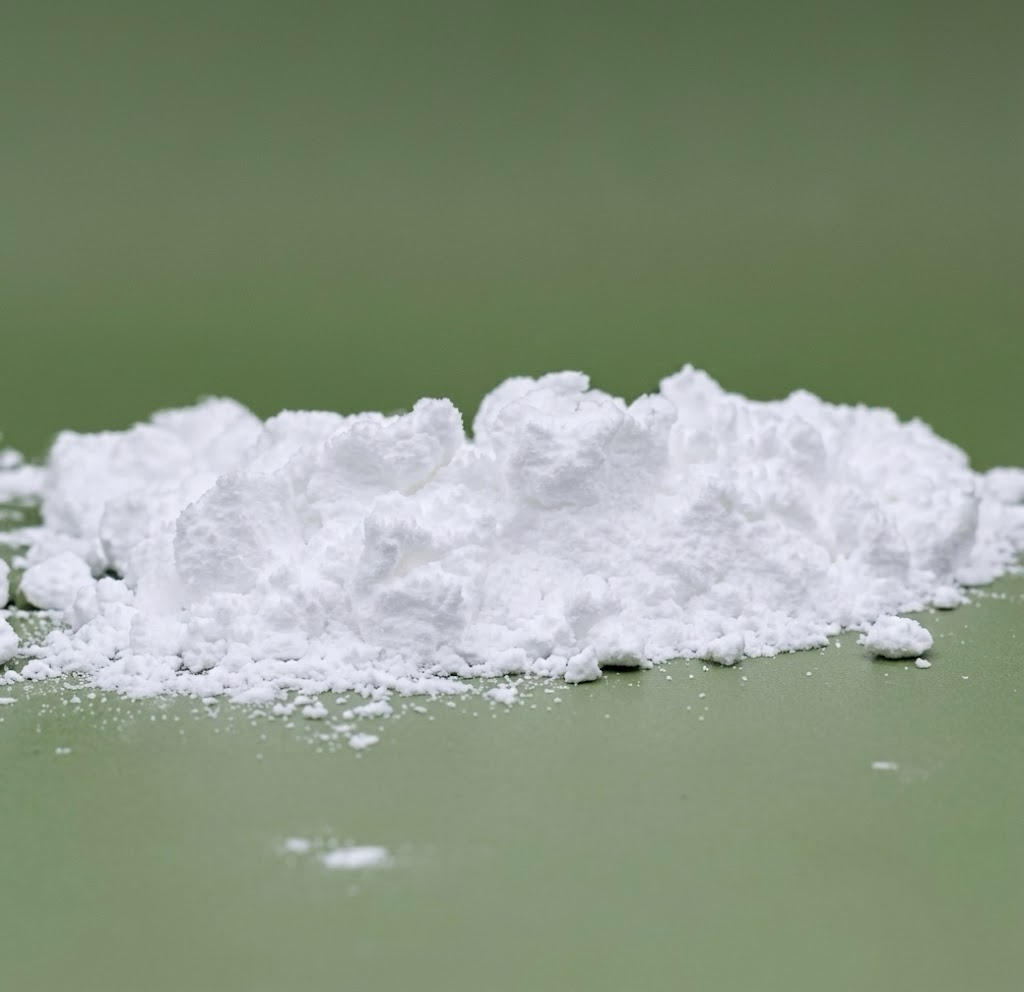
To establish an unassailable engineering path, continuous powder characterization audits were conducted over a 60-day diagnostic validation sequence, evaluating angle of repose parameters and micro-agglomeration kinetics under sustained compression stress.
Setting Realistic Expectations: Instead of claiming our NJP-2500D was a "magic fix," we provided an honest assessment: this powder would pose a challenge for any machine on the market.
Leveraging Comparative Knowledge: Because we have a deep understanding of the powder handling logic used in Bosch equipment, we provided a targeted optimization plan for our NJP series to minimize the accuracy error.
2.Trust is Built in the "Silent" Period
In B2B procurement, the "silent" phase of consultation is where trust is truly earned.
Respecting the Decision Cycle: We didn't push for a sale; we spent months explaining that while raw material limits exist, engineering adjustments can maximize performance.
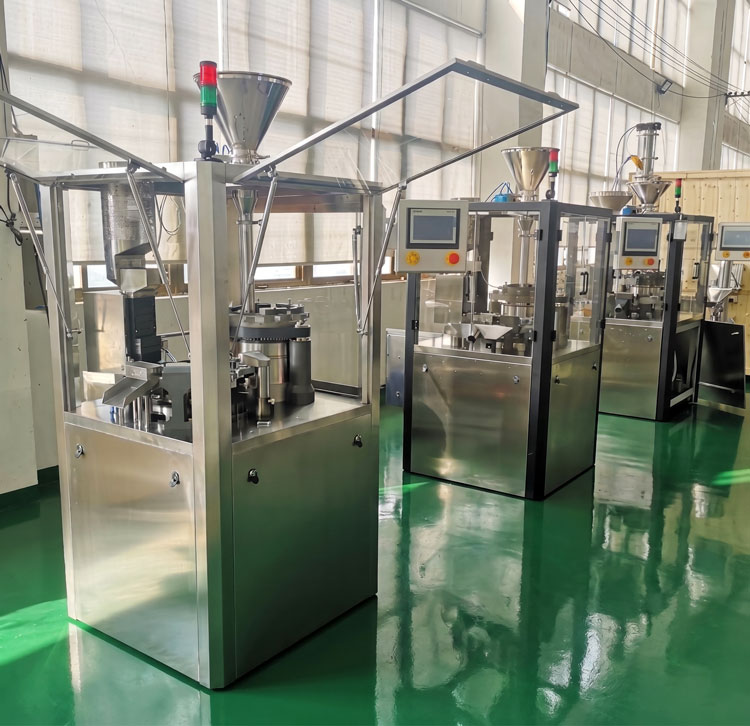
AIPAK NJP-2500D on customer site
The Breakthrough: In the fifth month, the client returned with a clear decision. They chose our NJP-2500D because we were the only supplier who respected their production reality and provided a realistic engineering path.
3.Engineering Precision: Matching the "Bosch" Standard
To optimize fluidic mass transfer while adhering strictly to localized technical parameters, the line was integrated with a custom-engineered, height-adjustable distribution cone paired with a multi-stage planetary stirring mechanism.
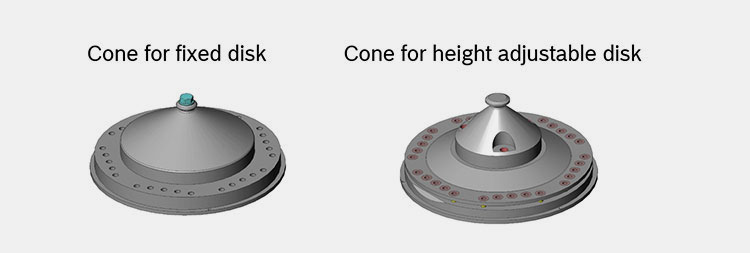
Modifying the geometric angle of the distribution cone alters the internal material displacement, preventing cohesive powder bridging inside the supply hopper and ensuring uniform fluidic cut-off metrics during high-speed volumetric tamping strokes.
This customized mechanical engineering approach neutralizes the material's structural latency, securing consistent capsule segment fill weights without accelerating mechanical friction or tool degradation.
4.Why This Matters for Your Procurement Strategy
This case proves that solving a production bottleneck requires more than just a famous brand—it requires a partner who understands your specific material challenges.
Global Reliability: Our NJP series has successfully operated alongside or replaced legacy brands in high-regulation markets like the USA, Spain, and Turkey.
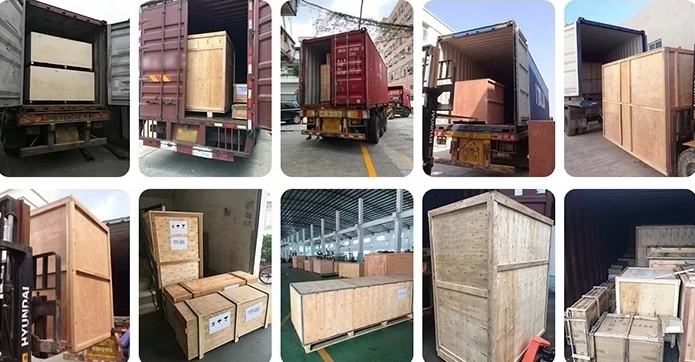
Comprehensive Validation: To ensure a seamless integration, this NJP-2500D was delivered with a complete FAT, IQ, OQ, PQ, and DQ documentation package.
Conclusion
At the end of the day, a capsule filler is a tool for your production. The best tool is the one supported by engineers who prioritize your real-world challenges over a sales pitch.
Frequently Asked Questions - Overcoming Powder Flowability Challenges
Project Compliance and Equipment Engineering Standards
During the physical powder rheology mapping, five-stage volumetric tamping calibration, and live remote Factory Acceptance Testing (FAT) loops of this automated NJP-2500D capsule filling line project, all mechanical system architectures were certified to fulfill the following regulatory standards:
Don't Forget To Share Article!
Bessie
Technical Content Strategist & Pharmaceutical Industry Analyst at AIPAK
Bessie is a senior technical content strategist at AIPAK, specializing in parsing complex pharmaceutical engineering workflows, solid dosage manufacturing data, and cleanroom design compliance. Working directly alongside frontline sales engineers and onsite technicians, she excels at translating raw field data into actionable technical playbooks for global pharma buyers. Bessie leverages her deep understanding of international regulatory standards—including FDA cGMP (21 CFR Part 211) and ISPE engineering guides—to ensure AIPAK’s localized facility layout solutions are structured, traceable, and fully optimized for maximum operational ROI.
Capsule Filling Machine Related Posts




























Capsule Filling Machine Related Products
Capsule Filling Machine Related Videos
CONTACT US
Tell us your raw material and project budget to get quotations within 24 hours.
WhatsApp Us: +86 181 7101 8586

Want the best price & newest pharmaceutical machinery buying guide,tips and trends sent straightly to your box?Sign up for AIPAK’s monthly newsletter,we’re free for your consultation and Offer you the most suitable solutions!
The Buyer's Guide
- Capsule Filling Buyer's Guide
- Blister Packaging Buyer's Guide
- Tablet Counting Buyer's Guide
- Tube Filling Buyer's Guide
- Cartoning Buyer's Guide
- Gummy Making Buyer's Guide
- CO2 Extraction Buyer's Guide
- Empty Capsules Buyer's Guide
- Suppository Filling Buyer's Guide
- Tablet Coating Buyer's Guide
- Tablet Press Buyer's Guide
- Softgel Encapsulation Buyer's Guide
Most Popular
- 7 Importance Of Pharmaceutical Packaging In Different Applications You Must Know
- 6 Advantages You Must Know About Tablet Counting Machine
- 8 Advantages of Blister Packaging You Must Know
- 6 Critical Applications of Automatic Capsule Filling Machine
- 6 Stations You must Know to Improve the Filling Quality of Automatic Capsule Filling Machine