
The Ultimate Industrial Capsule Filling Machine Buying Guide: Maximizing ROI, Compliance, and Production Reliability
If a pharmaceutical encapsulation line suffers from unstable performance, significant batch-to-batch quality fluctuations, or failure to meet rigorous cGMP quality audits, the result is not just costly raw material waste, but also severe compliance risks leading to entire batch rejections.
To eliminate these costly manufacturing defects, solid dosage producers must upgrade to an advanced industrial capsule filling machine equipped with precise mechanical controls, robust data integrity architectures, and comprehensive validation support.
This technical buying guide provides clear engineering solutions, vital investment evaluation metrics, and manufacturer selection tips to help your facility secure the highest ROI and long-term production reliability.
1: Why Is Total Cost of Ownership (TCO) More Critical Than Initial Price When Evaluating an Industrial Capsule Filling Machine?

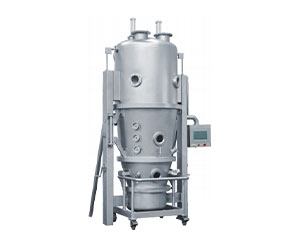
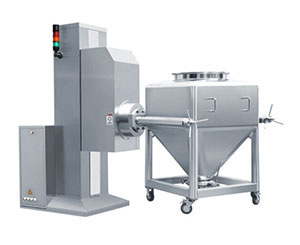
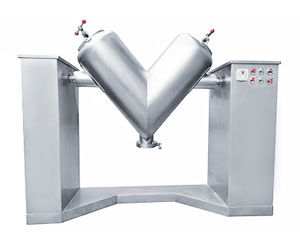
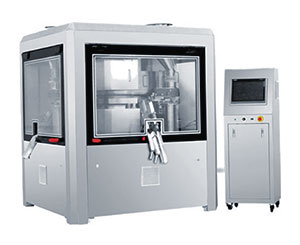
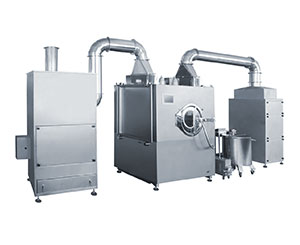
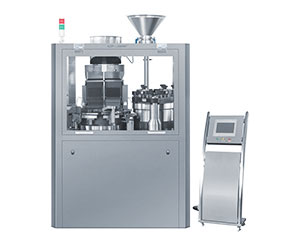
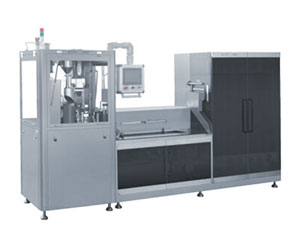
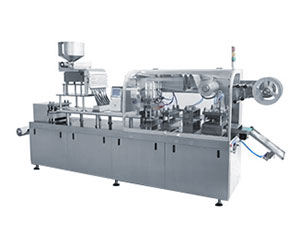
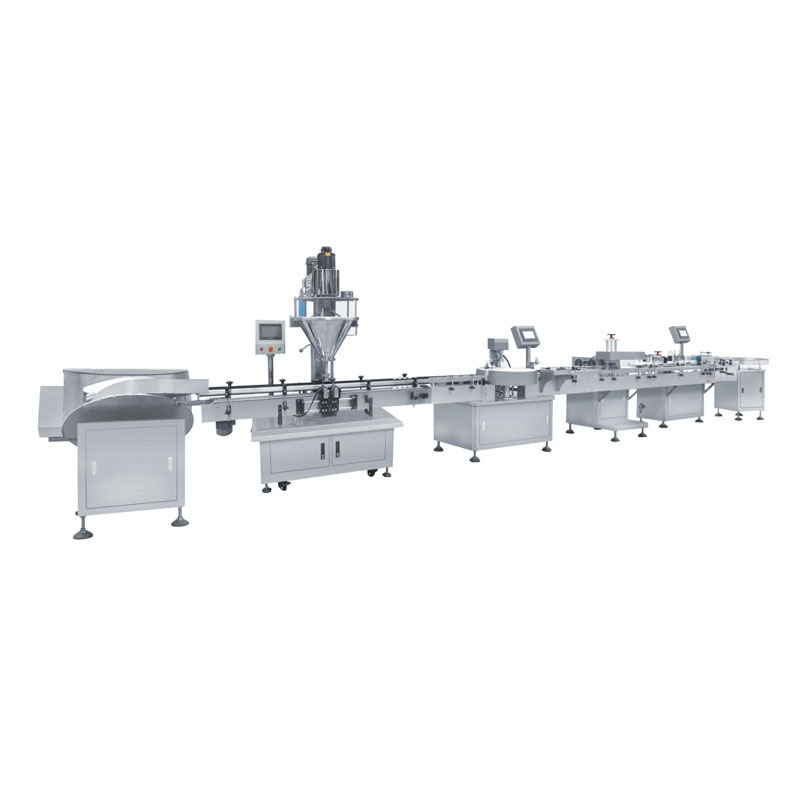
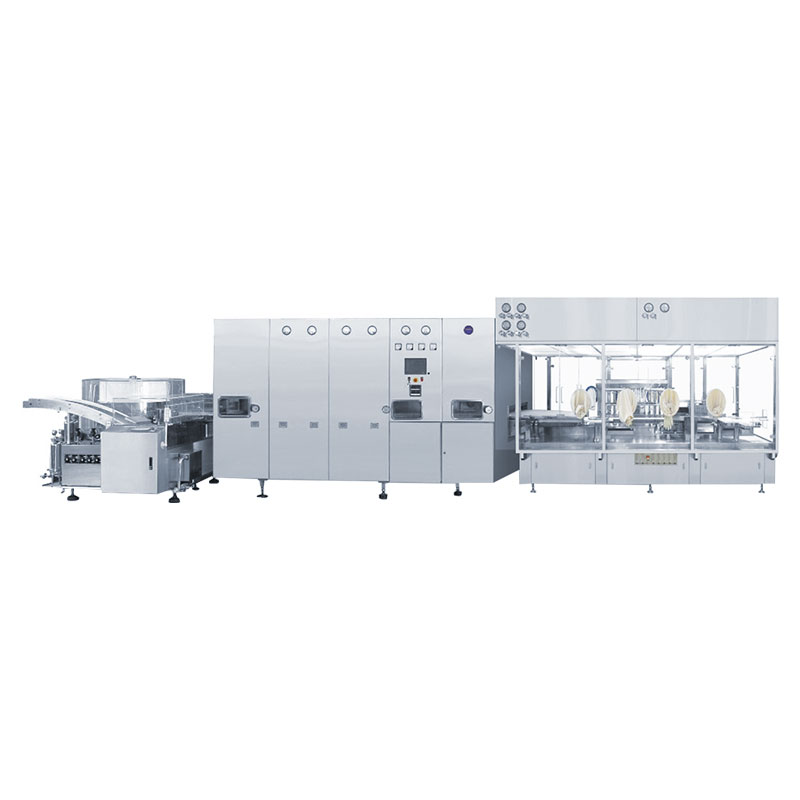
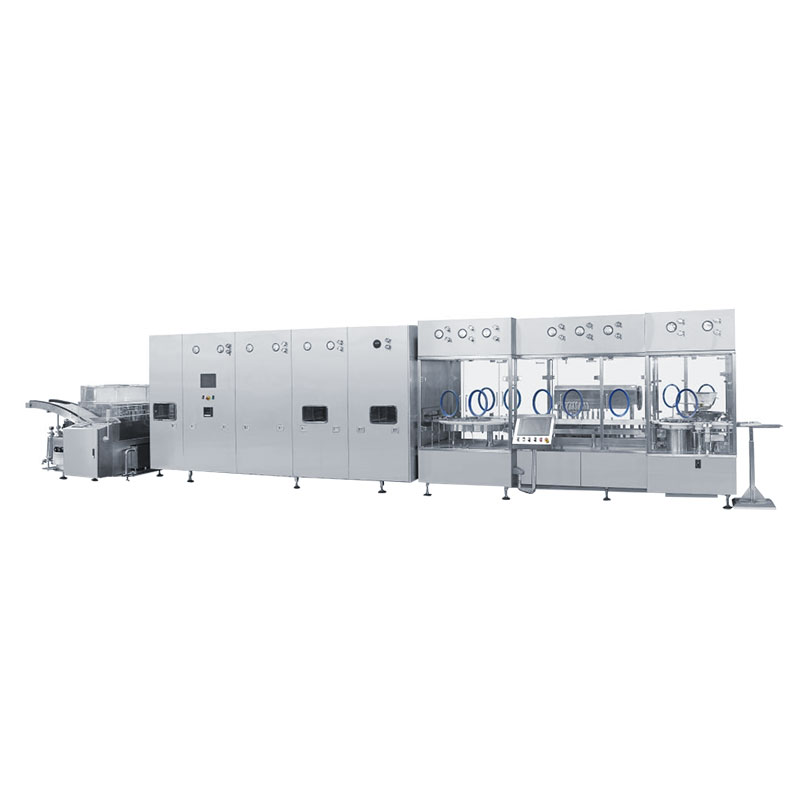
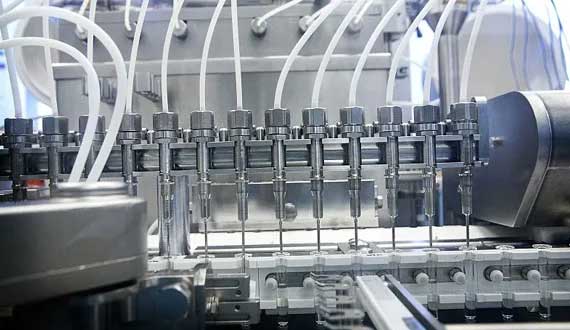
Various automatic capsule filling machine
When evaluating a commercial capsule filling machine, focusing solely on the initial purchase price is a common trap that can lead to long-term financial loss. For any serious pharmaceutical or nutraceutical operation, the Total Cost of Ownership (TCO) is the true metric of success. An industrial capsule filling machine is not merely an expense; it is a "money-making machine" designed to earn profit for every minute it is in operation.
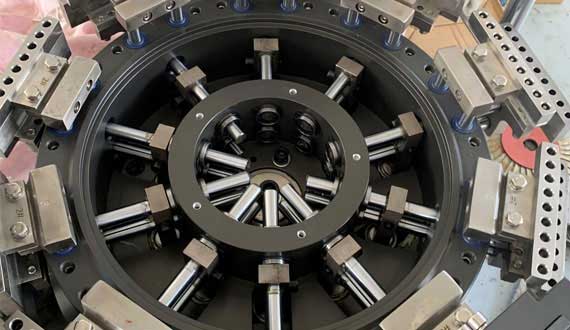
The primary danger of prioritizing a low initial price is the risk of "small-pony-pulling-a-massive-cart" engineering. Many lower-priced machines on the market secretly use small 83DS indexing boxes, which are forced to run over their threshold to achieve an output of 1,000 capsules per minute.
| Feature | 83DS Indexing Box (Common Competitors) | 100DS Indexing Box (AIPAK NJP-1200D) |
| Configuration | Small-scale specification | Heavy-duty, large-scale specification |
| Performance Load | "Small pony pulling a massive cart" | High-capacity, effortless cruising |
| Operational Stability | High risk of fatigue under continuous load | Exceptional stability for multi-shift production |
| Shaft Integrity | Prone to input/output shaft fractures | High resistance to mechanical fatigue |
| Impact on Output | Struggles to hit 1,000 capsules/min | Cruises comfortably at 1,100–1,200 capsules/min |
This constant over-capacity operation inevitably leads to fatigue fractures in the input and output shafts, resulting in unmeasurable losses due to downtime and emergency repairs.
In contrast, our NJP-1200D is built for longevity and high-yield profitability. We innovatively employ a heavy-duty 100DS indexing box configuration, which serves as the "Super Brain and Heart" of the machine.
AIPAK NJP-1200D capsule filling machine
This robust setup allows the system to cruise effortlessly at 1,100 to 1,200 capsules per minute, providing a significantly higher and more stable output. By choosing equipment that prioritizes durability and high-speed stability over cut-rate pricing, you are investing in a system that maximizes your hourly output and minimizes your long-term maintenance and production costs.
2: How Does a Built-in Audit Trail System Ensure FDA 21 CFR Part 11 Compliance for Your Production Data?
For pharmaceutical manufacturers, meeting the rigorous standards of the US FDA 21 CFR Part 11 regulation is not optional; it is a fundamental requirement for market access. Our Model D industrial capsule filling machine goes beyond basic production monitoring by incorporating a cutting-edge Computerized System Validation & Audit Trail System designed specifically for high-compliance environments.
This system ensures ironclad data integrity through a three-tier cryptographic access control hierarchy, which strictly separates roles into Operator, Engineer, and Administrator levels. This structure ensures that only authorized personnel can access or modify critical settings, creating a secure environment where every system event is accounted for.
The power of this system lies in its unalterable reporting: every parameter tweak, system event, or yield change automatically logs an undeletable, secure digital report. Because these logs are generated automatically and cannot be tampered with, production managers can breeze through even the most rigorous unannounced regulatory inspections or expert panel audits.
With this advanced capability, you can simply export your verified production reports with a single click, ensuring 100% compliance and complete peace of mind during your next facility audit.
3: What Are the Key Engineering Indicators That Define the "Best" Capsule Filling Machine for High-Volume Plants?
When identifying the best capsule filling machine for a high-volume facility, performance is not just about raw speed; it is defined by the integrity of the machine's design and its long-term reliability in a cleanroom environment.
A truly superior system, such as the NJP-1200D capsule filler, is engineered as a "Maintenance-Free Enclosed Fortress" to ensure both operational consistency and cGMP compliance.
| Feature | Ordinary Commercial Models | AIPAK NJP-1200D |
| Turntable Design | Splice/Tray assembly | One-piece, zero-gap enclosed molding |
| Lubrication System | Manual/External-groove cam | Intelligent, timed/fixed-point auto-lubrication |
| Vacuum System | Liquid-ring (Requires water/high maintenance) | Japanese Dry Vacuum Pump (Zero water/Maintenance-free) |
| Base Design | Traditional exposed base | "Maintenance-Free Enclosed Fortress" |
| Contamination Control | Prone to powder accumulation | Integrated negative pressure + WIP readiness |
| Maintenance Cycle | Frequent manual intervention | 3-year maintenance-free core components |
The primary engineering indicators of a high-performance system include:
Turntable Integrity: The best machines feature a ten-station rotary turntable that is machined and molded in a single piece with zero split gaps, ensuring excellent sealing performance.
Powder and Contamination Control: A high-end design must incorporate high-specification lipped hardware rings for shaft seals, guaranteeing that the internal mechanics achieve a 3-year status of zero powder ingress.
Maintenance-Free Operation: Advanced systems eliminate the need for manual oiling by utilizing a fully automatic intelligent oiling system that achieves precise, timed, and fixed-point lubrication.
Cleanroom Durability: This "Enclosed Fortress" approach results in noiseless running, low mechanical loads, and high precision, effectively ensuring that oil never leaks out and powder never gets in.
By focusing on these structural indicators, technical directors can distinguish a professional-grade machine from standard equipment. This engineering-first approach ensures that operators no longer have to crawl under the machine to clean grease or manually perform maintenance, allowing core components to remain maintenance-free for three full years.
4: Where Should Technical Directors Source Capsule Filling Systems to Guarantee Long-Term Spare Part Support and FAT Reliability?
When determining where to buy capsule filling machine systems, technical directors must look beyond third-party resellers and prioritize direct sourcing from an OEM engineering factory. Sourcing directly from the manufacturer is the only way to guarantee the rigorous standards required for pharmaceutical production, ensuring that you receive a good capsule filling machine backed by direct technical expertise.
The primary advantage of OEM procurement is the implementation of Factory Acceptance Testing (FAT). By sourcing directly, you ensure that the machine undergoes comprehensive testing at the factory floor, confirming that it meets your specific plant requirements, such as production speed and material compatibility, before it is ever shipped to your facility.
Furthermore, direct OEM partnerships are essential for long-term operational success, providing:
Spare Part Support: Direct access to genuine components, eliminating the risks associated with incompatible or low-quality third-party parts.
Engineering Reliability: Direct communication with the original designers ensures that any technical challenges are addressed by the experts who built the system.
Operational Security: By avoiding third-party intermediaries, you safeguard your investment and ensure that your production line maintains peak performance through dedicated manufacturer support.
Conclusion
In conclusion, a high-efficiency solid dosage facility relies on precise mechanical engineering, modular tooling flexibility, and strict adherence to cGMP validation standards. For global technical directors aiming to eliminate fill-weight variations and ensure maximum uptime, specifying these precise mechanical design standards during procurement guarantees both audit compliance and long-term production agility. Contact AIPAK's solid dosage engineering team today to submit your specific powder bulk density and capsule requirements for a complimentary line layout audit and ROI analysis.
Don't Forget To Share Article!
Avril
Senior Pharmaceutical Equipment Specialist & Project Consultant at AIPAK
Avril brings deep, multi-year expertise to the pharmaceutical machinery sector, specializing in solid dosage production lines and complex cleanroom layout engineering. As a veteran project consultant at AIPAK, she is known for her hands-on capability to match technical machine parameters with strict global compliance standards. Passionate about driving real business results, Bessie works closely with international pharma clients to solve structural bottlenecks—such as facility footprint constraints and material flow optimization—ensuring they receive tailored, highly efficient one-stop turnkey solutions for their production goals.
Capsule Filling Machine Related Posts
Capsule Filling Machine Related Products
Capsule Filling Machine Related Videos
CONTACT US
Tell us your raw material and project budget to get quotations within 24 hours.
WhatsApp Us: +86 181 7101 8586

Want the best price & newest pharmaceutical machinery buying guide,tips and trends sent straightly to your box?Sign up for AIPAK’s monthly newsletter,we’re free for your consultation and Offer you the most suitable solutions!
The Buyer's Guide
- Capsule Filling Buyer's Guide
- Blister Packaging Buyer's Guide
- Tablet Counting Buyer's Guide
- Tube Filling Buyer's Guide
- Cartoning Buyer's Guide
- Gummy Making Buyer's Guide
- CO2 Extraction Buyer's Guide
- Empty Capsules Buyer's Guide
- Suppository Filling Buyer's Guide
- Tablet Coating Buyer's Guide
- Tablet Press Buyer's Guide
- Softgel Encapsulation Buyer's Guide
Most Popular
- 7 Importance Of Pharmaceutical Packaging In Different Applications You Must Know
- 6 Advantages You Must Know About Tablet Counting Machine
- 8 Advantages of Blister Packaging You Must Know
- 6 Critical Applications of Automatic Capsule Filling Machine
- 6 Stations You must Know to Improve the Filling Quality of Automatic Capsule Filling Machine