How to Improve Granule Flowability: 4 Proven Methods to Minimize Weight Variation

Are inconsistent tablet weights ruining your production batches? Poor granule flow causes costly downtime and product rejection, but fixing it is easier than you think.

To improve granule flowability and minimize weight variation, you should add glidants like silica gel, control particle size distribution through sieving, optimize particle shape to be more spherical, and maintain specific moisture levels. These steps ensure smooth processing in tablet presses and capsule fillers.

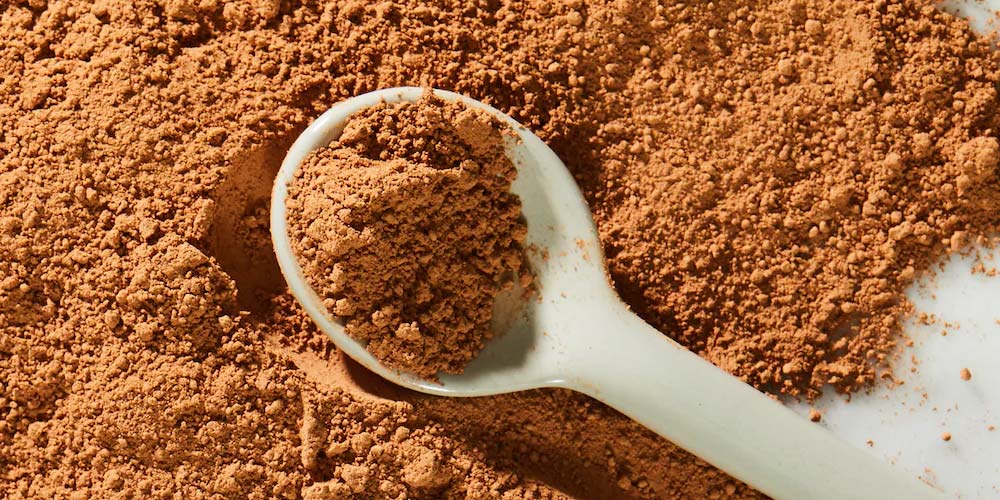
Granule flowability testing

Granule flowability testing

Many manufacturers ignore these basics and suffer later. Read on to master these techniques before your next batch fails.

1.Which Glidants Can Instantly Boost Granule Flow?

Sticky granules clog hoppers and stop machines. Friction is the enemy here. You need a lubricant to keep things moving smoothly.

The most effective method is adding glidants like micronized silica gel or talc. These materials coat the particles to reduce friction and improve surface smoothness.

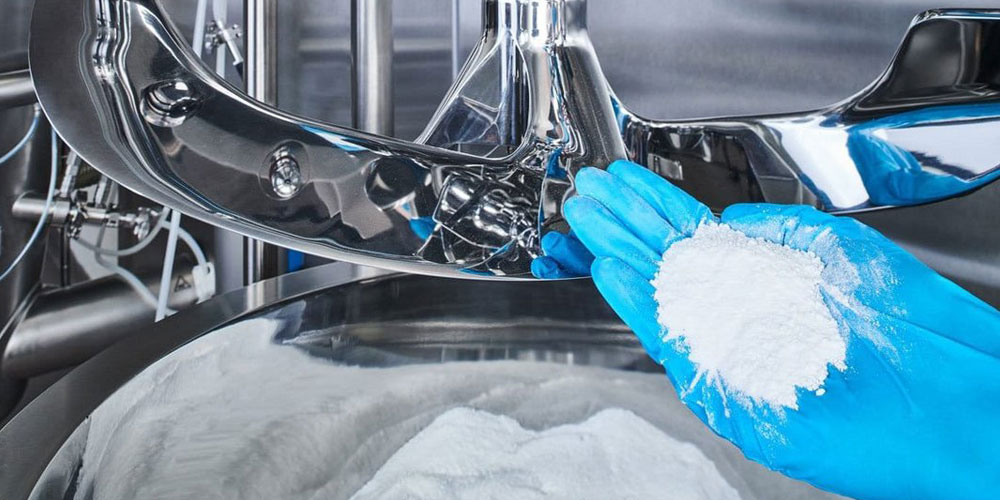
Mixing glidants with powder

Mixing glidants with powder

The Science and Application of Glidants

When I work with clients at AIPAK who struggle with sticky formulations, the first thing I look at is their use of glidants. Glidants work on a simple principle. They adhere to the surface of your main particles. This action reduces the friction between the particles themselves and also reduces friction between the particles and the walls of your hopper or feeder. You can think of it like adding ball bearings between heavy stones; it makes everything slide much easier.

One of the most common choices is micronized silica gel (Colloidal Silicon Dioxide). It is chemically stable, which means it will not react with your active pharmaceutical ingredients. In my experience, you do not need much. A small amount, usually between 0.1% and 0.5%, is enough to see a huge difference. This is because silica has a very small particle size and a large surface area. It spreads out well and stops particles from sticking together.

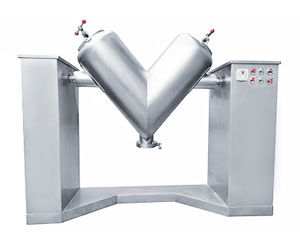
Another reliable option is talc. Talc has a laminar, or layered, structure. These layers slide over each other, which helps reduce drag. However, you must be careful with talc. It can sometimes affect how a drug dissolves in the body. You typically use talc at concentrations up to 5%, but you must test it to ensure it does not hurt your final product quality. At AIPAK, we recommend using our high-shear mixers or V-blenders to mix these glidants evenly. If the mixing is not uniform, the flow will still be bad.

2.How Does Particle Size Distribution Affect Flow Consistency?

Uneven granules lead to segregation and weight variance. If your mix separates, your quality control fails immediately.

A narrow particle size distribution prevents segregation. Remove fines that cause static and large chunks that cause bridging. Uniform sizes ensure consistent die filling.

Sieving granules

Sieving granules

Controlling Size for Better Flow

I often tell production managers that size matters, but uniformity matters more. If you have a mix of very large particles and very small dust (fines), you are going to have problems. This is a physics issue. Small particles tend to have high surface forces. This creates static electricity and causes them to clump together. On the other hand, if particles are too big, they leave large gaps. They can lock together in the hopper, creating a "bridge" or arch that stops flow completely.

To fix this, we use sieving and granulation control. You need to find the "sweet spot" for your specific product. We use oscillating granulators or sizing mills to achieve this. You pass the material through a screen with a specific mesh size. This removes the chunks that are too big and the dust that is too small. The goal is a tight distribution curve.

Furthermore, you must look at your granulation process itself. If you use a wet granulation method, the amount of binder you add is critical. The speed of your chopper and impeller in a high-shear mixer also changes the outcome. If you mix too fast or too long, you might make rock-hard granules. If you mix too slow, you get fragile granules that turn back into dust. At AIPAK, we help clients set these parameters on our machines. We also use grading techniques. This separates particles by size and then remixes them in the correct ratios. This ensures that the small particles fill the gaps between large ones evenly, rather than separating out during vibration.

3.Why Is Particle Shape Critical for Smooth Processing?

Rough, irregular edges catch on each other like Velcro. This friction slows down production speed significantly.

Spherical particles flow faster than irregular ones because they have less contact surface area and friction. Rounder shapes roll easily into dies.

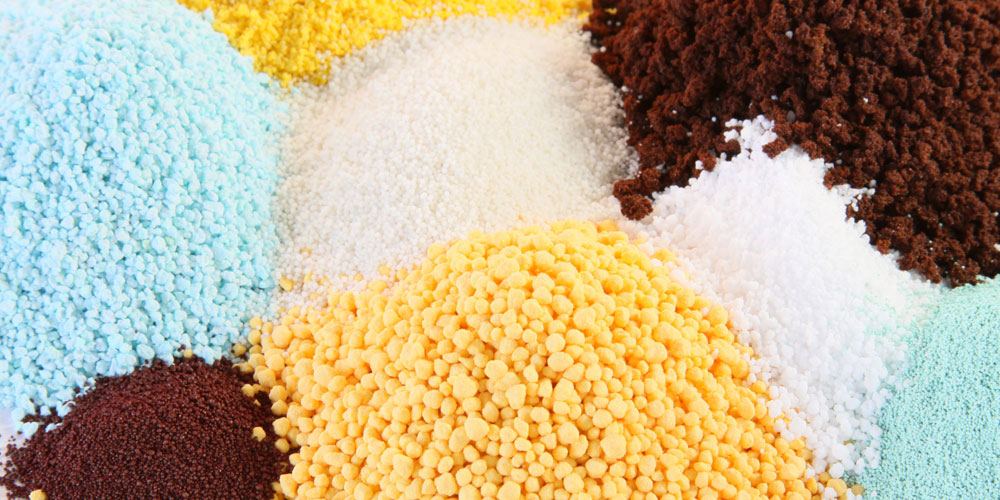
spherical granules

spherical granules vs irregular granules comparison

Optimizing Shape for Maximum Efficiency

The shape of your granule is perhaps the most overlooked factor in flowability. Imagine trying to pour a bucket of cubes versus a bucket of marbles. The marbles flow instantly because they roll. The cubes stack and lock. The same applies to pharmaceutical powders. Spherical particles have the minimum possible surface area for their volume. This means there is less contact area between particles, which results in less friction.

In my years in this industry, I have seen that irregular shapes—like needles or flat flakes—are the hardest to process. They interlock and refuse to flow into tablet dies. This leads to tablets that vary in weight because the die never fills completely or consistently.

So, how do we fix this? We have to adjust the manufacturing process. If you are using spray drying, you can change the nozzle settings. Adjusting the spray angle, the size of the liquid droplets, and the speed of drying can help form rounder particles. If the droplet dries too fast, it might shrivel like a raisin. If it dries correctly, it stays round.

For wet granulation, we often use a process called spheronization. After extruding the wet mass into long "noodles," we put them into a spheronizer. This machine has a spinning plate that breaks the noodles into short pieces and rolls them into balls. The friction against the wall and the plate rounds off the sharp edges. This physical change alone can increase your production speed on a tablet press by a significant margin. AIPAK provides specific equipment for these processes to ensure you get the perfect round shape.

4.Is Improper Moisture Content Ruining Your Material Flow?

Too wet means sticky clumps; too dry means static electricity flying everywhere. Both extremes stop your production line cold.

Optimal moisture creates a lubricating liquid film. Control this by drying wet granules in fluid beds or humidifying overly dry powder to prevent static buildup.

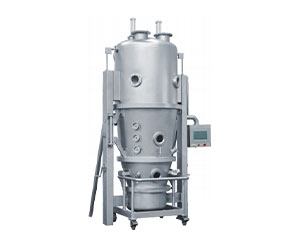
Fluid bed dryer removing moisture

Fluid bed dryer removing moisture from granules

Balancing Moisture for Stability

Moisture is a double-edged sword. You need some moisture, but not too much. It is a delicate balance that requires precise control. I have seen batches ruined because they were dried too thoroughly, and others ruined because they were pulled from the dryer too soon.

Here is the principle: A tiny amount of moisture is actually good. It forms a very thin liquid film on the surface of the particle. This film acts like a lubricant. It helps the particles slide past each other. However, if you cross the line and have too much water, that film becomes a bridge. The surface tension of the water pulls particles together, making them sticky. They agglomerate into lumps that will not flow through a hopper.

On the flip side, if the material is too dry, you face a different enemy: static electricity. Dry organic powders are insulators. As they rub against each other, they build up a static charge. This causes them to stick to the metal walls of the machine or fly apart from each other.

To manage this, we use advanced drying equipment like Fluid Bed Dryers. These machines suspend the granules in warm air, drying them evenly. We can set the target moisture content very precisely. If your granules are naturally too dry (perhaps due to the climate in your factory), you might need to expose them to a humid environment for a short time or use a spray system to add a tiny amount of moisture back in. This reduces the static charge. Monitoring this parameter is essential for running high-speed tablet presses like the ones we manufacture at AIPAK.

Conclusion

To fix weight variation, you must optimize glidants, particle size, shape, and moisture. These four pillars ensure smooth production. Contact AIPAK today for the equipment to master these variables.

Don't forget to share this post!

Bin Mixer Related Posts

Bin Mixer Related Products

Bin Mixer Related Videos

New V type best quality powder granule mixer machine

AIPAK Pharmaceutical Crusher Machine

AIPAK High Speed Powder Particle Food Crusher Machine

CONTACT US

Tell us your raw material and project budget to get quotations within 24 hours.

WhatsApp Us: +86 181 6426 8586

Invalid Email
Invalid Number
Scroll to Top