
Capsule Filling Mastery: Optimizing Precision and Efficiency for Pharmaceutical Production
Have you ever wondered how these capsules are filled with medicines or supplements? Different types of materials like powders, pallets, granules or liquids are filled in capsules to deliver an accurate and effective dose to patients while ensuring regulatory compliance. Both pharmaceutical and nutraceutical industries rely on capsule dosage forms and the overall product quality mainly depends upon the efficiency and precision of capsule filling process.
This article guides you to understand how to fill capsules? It explains about capsule filling basics, types of capsules, capsule filling machines and best capsule filling method. Additionally, it provides insights into quality control checks, safe and hygienic practices, and common problems with their solutions. Let’s explore!
1.What Is Capsule Filling and Why Does It Matter?
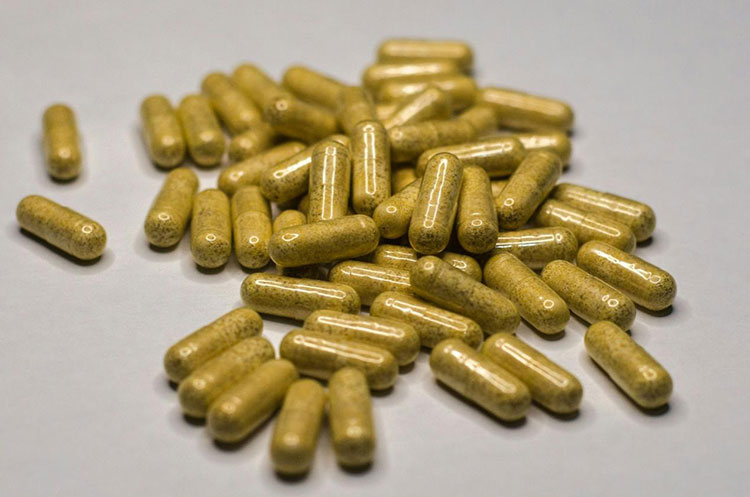
Empty Capsules Are Filled With Measured Amount Of Powder
Capsule filling is a simple process in which a precise amount of ingredients is measured and placed into empty capsules.
It matters as overall safety and effectiveness of drug relies on how accurately each capsule is filled. Correct capsule filling protects the sensitive ingredients, maintains the strength of the formulation, and also improves the patient compliance by ensuring consistent and reliable dosing. As per USP <905> (Uniformity of Dosage Units) and 21 CFR Part 211 process controls, capsules must meet label claim within defined acceptance criteria; precise filling is therefore critical to safety and efficacy.
2.What Types of Capsules Can Be Filled?

Types Of Capsules
The official nomenclature guidelines from USP include a section “capsules”, which states that, two main capsule formats are used: hard gelatin/HPMC (two‑piece, cap and body) for powders/pellets/granules; and soft gelatin (one‑piece, hermetically sealed) for liquids/semi‑solids.
3.What Tools or Machines Are Needed to Fill Capsules?
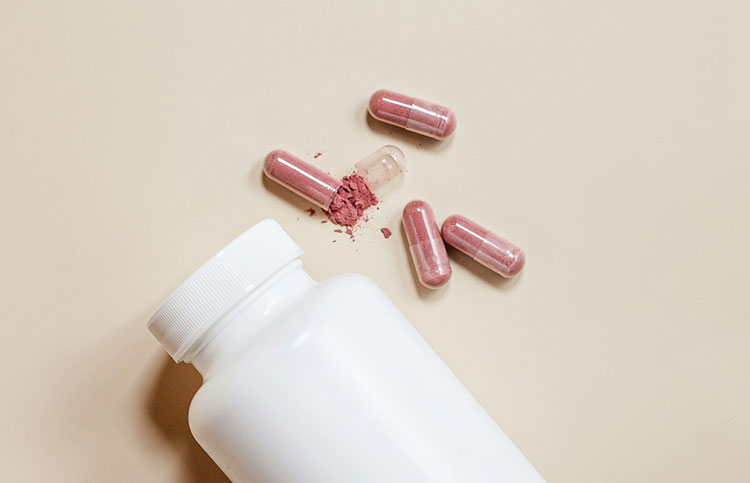
Tools Or Machines For Capsule Filling
The capsule filling process requires reliable equipment to place an accurate dose of medicine in to each capsule shell. According to VEMER, for small to medium runs, use manual or semi‑automatic fillers; while for large scale, fully automatic capsule filling machine is an appropriate choice. Supporting tools include precision balances, sieves, vacuum separation, dust extraction, conveyors, polishing, and inline check weighing.
4.How Do You Fill Capsules Manually?

Filling Tray Used To Fill Capsules Manually
We fill capsules manually by following a step-by-step procedure. Each capsule is opened by separating cap from body, after which a measured amount of powder or granules is filled into the empty body. The cap is then placed back to ensure proper sealing. This method requires a basic filling tray and is commonly used for small batches such as in R&D labs or early stage businesses. Although slower than mechanical methods, it allows each capsule to be handled individually, ensuring accuracy when supported by proper weighing, clean equipment and hygienic handling.
5.How Does a Semi-Automatic Capsule Filling Machine Work?
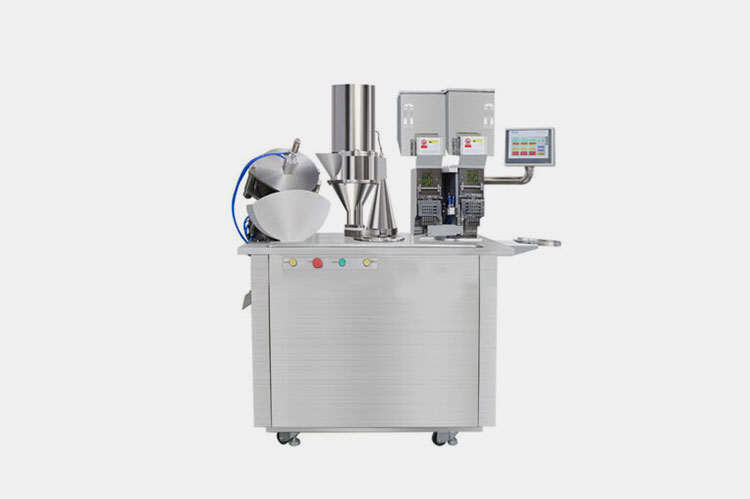
AIPAK Semi-Automatic Capsule Filling Machine
According to AIPAK, - In semi‑automatic systems, operators load/align; and the machine automates separation, dosing, closing, and ejection. Typical dosing systems are used, which includes dosing discs, augers, or multi‑tamping pins. Vendors include multiple OEMs (original equipment manufacturers); select by required throughput and powder flow. Their working involves following steps:
Loading: Empty capsules and filling material are loaded into the machine by separate hoppers.
Separation: Machine aligns the capsules and separate body from the cap.
Filling: Capsule bodies are moved towards filling station and positioned under a dosing system to get filled with an accurate dose of powder or granules.
Joining: At the sealing station, the capsule cap is carefully placed over the body ensuring a precise and secure closure.
Ejection: The filled and sealed capsules are collected in a tray for further packaging.
AIPAK Production Tip: One of the main challenges with semi-automatic filling is maintaining weight consistency across batches. AIPAK’s machines feature a variable speed powder feeding system and an independent filling motor. This ensures that even with powders of varying flowability, you achieve a dosing precision that meets strict USP <905> standards, significantly reducing your reject rate.
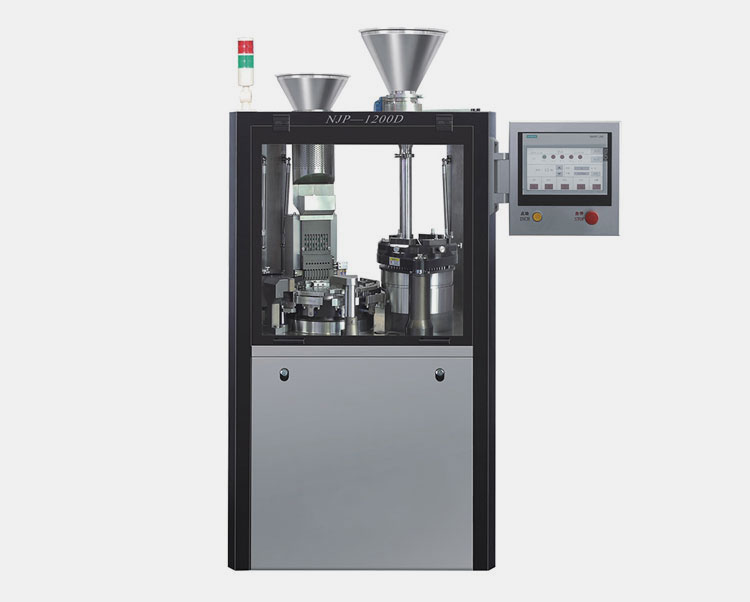
6.How Do Fully Automatic Capsule Filling Machines Operate?
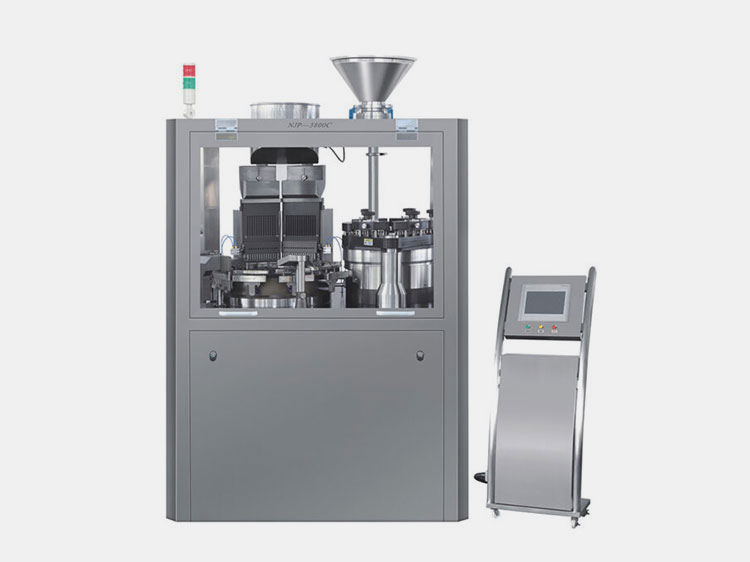
AIPAK Fully Automatic Capsule Filling Machine
A fully automatic capsule filling machine performs all steps of capsule filling process without manual intervention. This level of automation ensures uniform quality, accurate dosing, high production speed and adherence to regulatory standards. These capabilities make fully automatic machine a preferred choice in large scale manufacturing. AIPAK offers high quality fully automatic capsule filling machines that operate through following steps:
Feeding: Empty capsules and filling material are mechanically fed into the machine.
Separation: Capsules are oriented, and cap is separated from body using a vacuum-based mechanism.
Filling: The capsule bodies move to the filling station where a precise dose of powder, granules or pellets is dispensed using a suitable dosing system like dosing discs, auger systems or tamping pins.
Advanced Automation: Modern fully automatic lines aren't limited to just powder. AIPAK’s advanced series supports multi-component filling, allowing you to combine pellets and powder or even mini-tablets within a single capsule. Our tamping pin technology creates a uniform powder plug, ensuring that even at speeds of up to 120,000 capsules per hour, every unit is identical.
Sealing: After filling, the caps are automatically placed back onto the bodies to securely seal each capsule.
Collection: The sealed capsules are discharged and collected in a tray, ready for inspection and packaging.
7.How Do You Select the Best Capsule Filling Method?
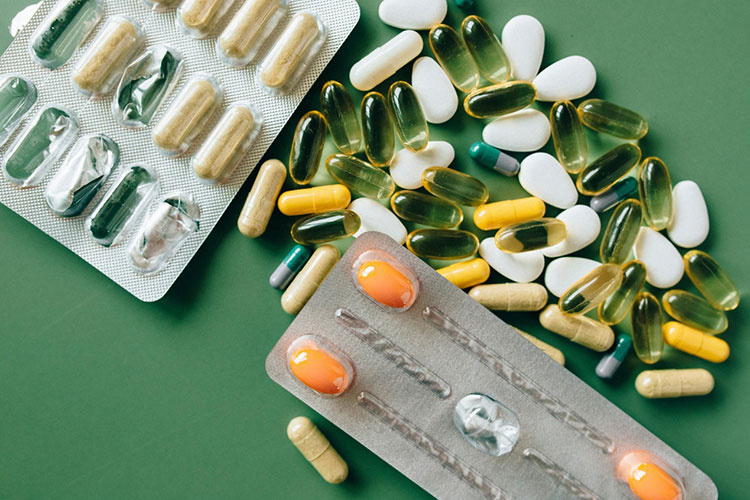
Best Capsule Filling Method
You select the best capsule filling method by focusing on various key aspects, which are discussed below:
Production requirements:
Select a method that aligns your batch size or output needs. Literature by Pharmaceutical technology notes that manual capsule filling method is suitable only for research trials and compounding work. For medium scale production, a semi-automatic capsule filling machine offers better efficiency while fully automated machines are designed to meet the requirements of large scale manufacturing.
Precision and product uniformity:
Choose a capsule filling method that can consistently deliver accurate dosing and uniform product quality. Working with high value or sensitive ingredients, dosing systems such as dosing disc or tamping pin provide better control than manual methods. Always ensure that the selected method fits your facility layout, documentation practices and regulatory obligations.
Type of filling material:
Choose the method that can handle your filling material efficiently. To do this, assess the materials’ flow properties, particle size and sensitivity and then select the dosing system that best matches these characteristics.
Regulatory compliance:
As per US FDA, Regulatory compliance is a key factor when selecting a right filling method. Automated filling machines are generally better equipped to support compliance because they offer process traceability, consistent operation and proper documentation. These capabilities help manufacturer to meet strict industry and GMP standards.
8.What Quality Control Checks Are Required During Capsule Filling?
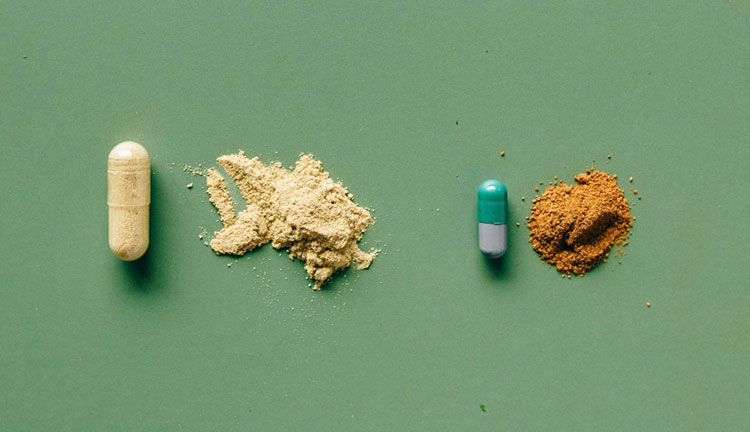
Quality Checks During Capsule Filling
Quality control checks that are required during capsule filling are discussed below:
| Quality control checks | Goals |
| Capsule quality inspection | Before filling, empty capsules are tested for dents, cracks, deformities and color variations. |
| Fill weight check | Sample units are checked to find capsules contain right amount of filling material. |
| Dose uniformity | Fill material is examined to evaluate the uniform distribution of active pharmaceutical ingredients (APIs) |
| Metal and particle screening | Tests are carried out to detect contaminants like metal or foreign particles. |
| Visual capsule inspection | Capsules are visually examined after filling for possible defects like improper filling, powder leakage or faulty sealing. |
| Production line clearance check | Equipment is inspected for hygiene, lubrication and absence of contamination before or after manufacturing. This ensures seamless and GMP-compliant production. |
| Moisture sensitivity evaluation | Capsule functionality is checked for moisture sensitive ingredients. |
| Batch processing records | Each batch details are recorded to support traceability and proper documentation. As FDA guidance states that each production step must be recorded in batch records. |
9.What Safety and Hygiene Procedures Must Be Followed?

Safety And Hygiene Procedures
Safety and hygiene procedures that must be followed during capsule filling are listed below:
Personnel protective measures:
The personnel are advised to use protective equipment like masks, gloves, hairnets, safety glasses and lab coat to avoid contamination and exposure to hazardous materials.
Controlled production area:
The capsule filling must be performed in controlled environment. For this purpose clean rooms and HVAC systems are used to prevent contamination and to ensure air filtration, temperature and humidity control.
Sterilization and cleaning protocols:
All the equipment used in capsule filling should be cleaned and sterilized before every batch processing.
Safe handling of raw materials:
Raw materials need to be handled with care. They should be stored in a safe and dust free environment to avoid contamination, mix-ups, or loss.
Personnel hygiene practices:
Working staff should follow strict hygiene practices including frequent hand washing and adherence to regulatory guidelines.
Waste segregation and safety protocols:
All rejected products or waste must be segregated and labeled properly. They need to be disposed of as per to safety rules.
Record keeping and monitoring:
It is essential to keep batch processing records, which help you to ensure traceability and supports GMP standards and confirms that all safety and hygiene protocols are followed.
10.What Problems Commonly Occur During Capsule Filling — and How Do You Fix Them?
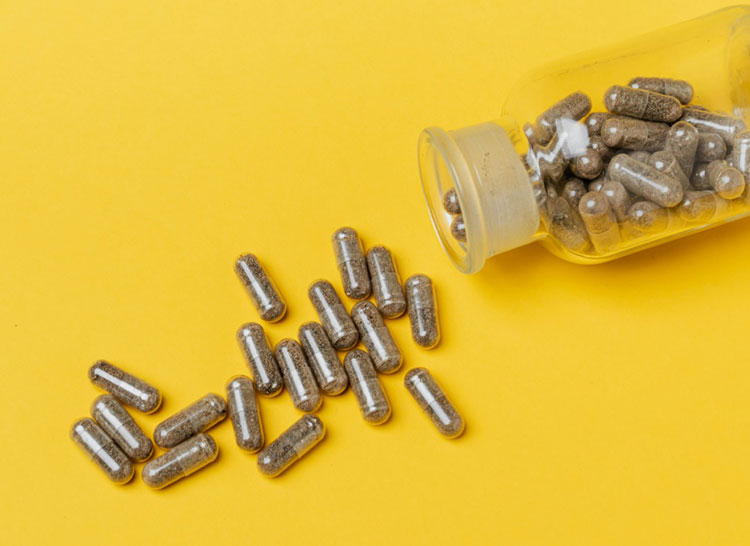
Common Problems Occur During Capsule Filling
Commonly several problems can occur during capsule filling. This section explains these issues and provides guidance on how to fix them. Let’s take a closer look!
| Problems | Professional Troubleshooting & AIPAK Solutions |
| Capsule Jamming or Misalignment |
Check: Daily inspection of feeding and vacuum separation systems. AIPAK Solution: Our machines use high-precision vacuum separation mechanisms and high-quality capsule orienters to ensure a 99.9% separation rate even at high speeds. |
| Weight Variation or Inaccurate Filling |
Check: Calibrate dosing systems and evaluate powder flow properties. AIPAK Solution: Utilize our Servo-driven tamping pin technology to create uniform powder plugs, ensuring a dosing precision of ±1% to ±3% depending on material density. |
| Powder Leakage During Process |
Check: Calibrate the filling station and inspect seals. AIPAK Solution: Integrated Industrial Vacuum Dust Extraction keeps the dosing disk clean and prevents powder buildup on capsule edges, ensuring a perfect seal every time. |
| Improper Capsule Sealing (Telescoping) |
Check: Calibrate the joining station and check capsule quality. AIPAK Solution: Our Synchronized Joining Station ensures precise alignment between the cap and body, preventing split or crushed capsules during the final sealing phase. |
| Powder Adhesion & Static Build-up |
Check: Monitor humidity levels and clean machine surfaces. AIPAK Solution: AIPAK machines are constructed from Polished SS316L with anti-static coatings, designed to handle "sticky" or sensitive powders in controlled environments. |
| Microbial or Cross-Contamination |
Check: Implement strict GMP cleaning and sterilization protocols. AIPAK Solution: The Enclosed Modular Design of AIPAK automatic fillers isolates the driving parts from the production zone, making wash-down and batch changeovers faster and safer. |
11.What Real-World Case Study Demonstrates Effective Capsule Filling?
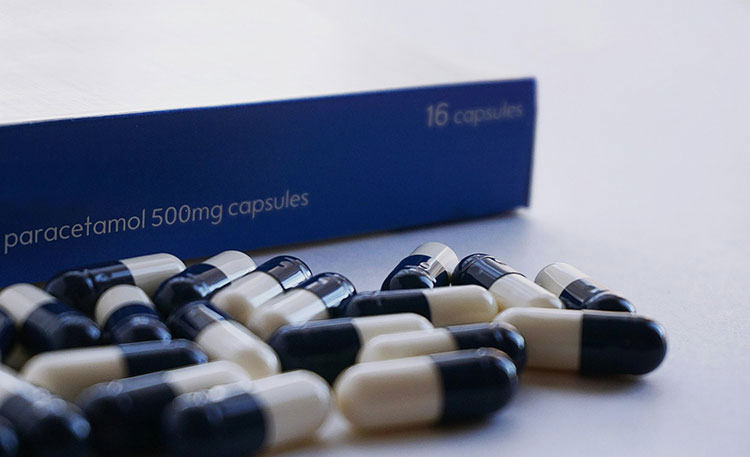
A Real Case Study That Demonstrates Effective Capsule Filling
Real case study: Increasing capsule filling efficiency by VEMER technology
Source: Vermachine
Background:
A generic pharmaceutical company pursued to upgrade its capsule filling line to enhance productivity, dosing accuracy and regulatory compliance. The previous equipment led to lengthy changeovers, uneven fill weights, and poor operational performance.
Problem identified:
After evaluation, it was found that company was facing several issues:
- Prolonged changeover time was affecting daily outcome
- Inconsistent fill weight was causing dose inaccuracy and incompetency to regulatory standards.
- Inefficient performance was leading to less equipment utilization and increase operational cost.
Solution:
The company installed VEMER’s advanced capsule filling line to modernize their production line. This filling line is equipped with automated control system, enhanced dosing system, and quicker setup features designed for regulated production facilities.
Outcome:
This replacement brought outstanding outcome.
Changeover duration decreased from 4 hours to 45 minutes.
Fill weight accuracy boosted to ± 0.5.
FDA inspectors recorded no deficiencies during the audit.
Overall equipment effectiveness increased to 35%.
12.What Equipment Can Improve Capsule Filling Efficiency?

Equipment That Can Improve Capsule Filling Efficiency
Equipment that can improve capsule filling efficiency is discussed below:
| Equipment | Function |
| Multiple station filling system | This system helps to achieve high output by allowing filling of several capsules at a time. |
| High speed capsule sorters | It quickly separates, aligns and rejects the defective unit before filling. |
| Vibratory hoppers and feeders | They enhance the powder flow and help to avoid inconsistency in dosing. |
| Advanced dosing system | Dosing disc, tamping pins or auger filling systems are used as dosing system and they ensure uniform dosing of each capsule. |
| Vacuum system | It helps in capsule separation process. |
| Automated inspection and rejection system | This system detects defective capsule and allow only good capsules to reach the packaging. |
| Clean rooms | Clean rooms maintained a controlled environment, where air is filtered and temperature and humidity are kept under specific limit. This ensures safe, contamination-free and efficient production. |
13.What Frequently Asked Questions Do Beginners Have?

Frequently Ask Questions
These are the frequently asked questions that beginners do have about this topic
What basic equipment do I need to start capsule filling at small scale?
You just need empty capsules, capsule filling tray, spatula, weighing balance and a clean space to start capsule filling at small scale.
What capsule size is suitable for manufacturing?
Commonly capsule size ranges from 000 (largest) to 5 (smallest) but you can use 0 or 00 as they are easy to handle and can hold sufficient amount of fill material.
What types of materials can be filled in a capsule?
You can fill powders, granules, pellets, or oils in a capsule.
How to find filling capacity of a capsule?
You can determine the filling capacity of a capsule by weighing it after filling.
Is it safe to mix different types of powder in one capsule?
If you know the right amount of powder then you can mix them. It is better to weigh them separately then mix them together.
How to avoid powder spills during filling?
You can use a funnel or card scrapper to guide the powder into the capsules and gently tapping the tray helps the powder settle properly without causing spills.
How to store capsules after filling?
You can use an airtight container to store capsules after filling. Avoid exposure to high temperature, moisture and sunlight. You can use silica gel to control humidity.
What can be reason for improper closing of capsule?
Reasons for improper capsule closing can be:
The capsule has excess amount of powder.
Powder stuck around the capsule edges.
Cap and body of capsule are not of same size.
Is it necessary to wear mask or gloves during capsule filling?
It is necessary to wear mask or gloves to avoid contamination during filling and to prevent you from inhaling powders.
Conclusion:
"Scaling Up Your Capsule Production?" Choosing between semi-auto and fully auto depends on your unique formulation and batch sizes. Contact AIPAK’s engineering team today for a customized production analysis and a free 3D layout of your future capsule filling facility.
Don't forget to share this post!
Capsule Filling Machine Related Posts































Capsule Filling Machine Related Products
Capsule Filling Machine Related Videos
CONTACT US
Tell us your raw material and project budget to get quotations within 24 hours.
WhatsApp Us: +86 181 7101 8586

Want the best price & newest pharmaceutical machinery buying guide,tips and trends sent straightly to your box?Sign up for AIPAK’s monthly newsletter,we’re free for your consultation and Offer you the most suitable solutions!
The Buyer's Guide
- Capsule Filling Buyer's Guide
- Blister Packaging Buyer's Guide
- Tablet Counting Buyer's Guide
- Tube Filling Buyer's Guide
- Cartoning Buyer's Guide
- Gummy Making Buyer's Guide
- CO2 Extraction Buyer's Guide
- Empty Capsules Buyer's Guide
- Suppository Filling Buyer's Guide
- Tablet Coating Buyer's Guide
- Tablet Press Buyer's Guide
- Softgel Encapsulation Buyer's Guide
Most Popular
- 7 Importance Of Pharmaceutical Packaging In Different Applications You Must Know
- 6 Advantages You Must Know About Tablet Counting Machine
- 8 Advantages of Blister Packaging You Must Know
- 6 Critical Applications of Automatic Capsule Filling Machine
- 6 Stations You must Know to Improve the Filling Quality of Automatic Capsule Filling Machine
 Tell us your material or budget,we'll reply you ASAP within 24 hours